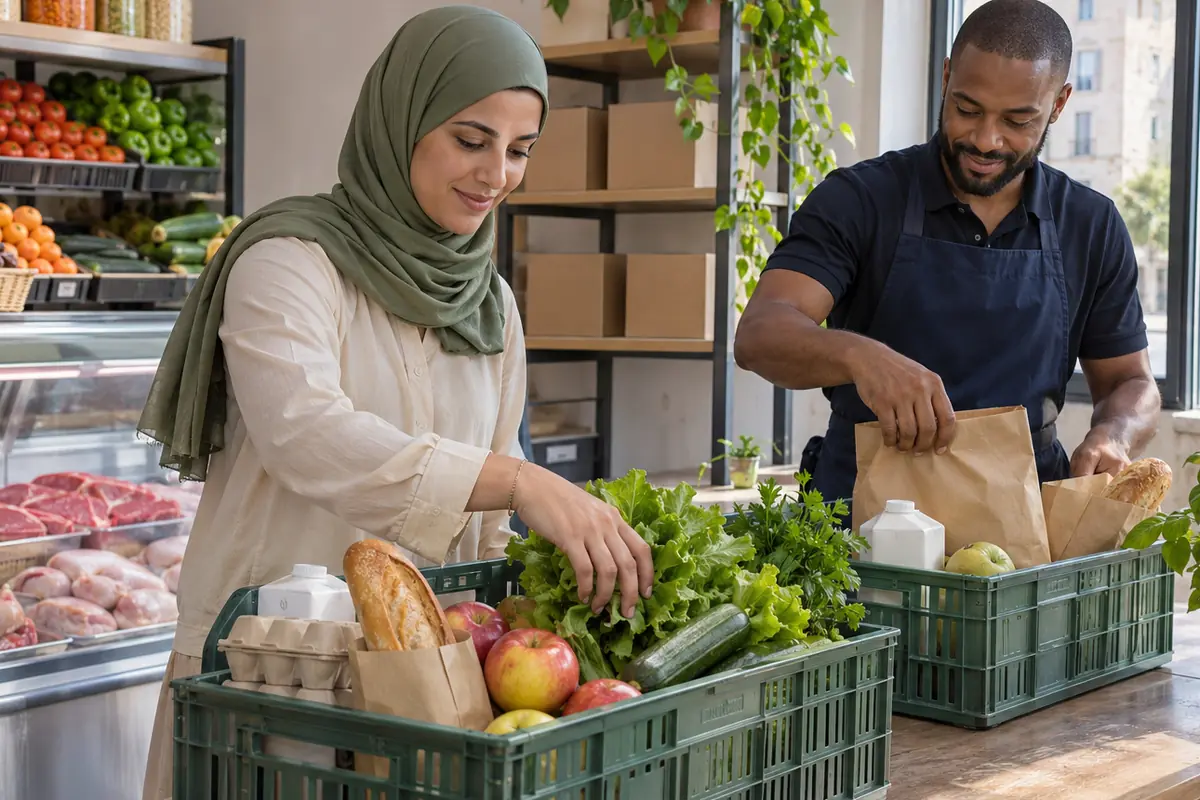
In Adelaide, Ramadan market food and opening hours shape the evening rhythm of the whole city, from the stalls of the Central Market to suburban supermarkets with halal counters. Households gather dates, soup ingredients, bread, fruit and halal meat before iftar, while shops adjust their trading times to the fast, so opening hours are best confirmed locally. The tidy grid of the centre, the long suburban corridors and the dry, warm climate all influence how and when families stock up, and why shopping often happens in short, planned trips.
Ramadan market shopping across the Adelaide plains
Adelaide is a flat, spread-out city, and Ramadan shopping follows that geography. Many families plan one larger trip for staples at the weekend and then rely on neighbourhood shops for fresh bread, herbs and fruit during the week, because a quick stop near home is easier than crossing the metropolitan area at sunset.
The Central Market in the heart of the city remains the best-known address for fresh produce, cheese, meat and bakery items, and it draws shoppers from many communities. Visitors preparing iftar tables often combine it with a stop at a halal butcher in the suburbs, matching each product to the right counter.
Because trading patterns can change during the fasting month, careful shoppers look at the notice on the shop door or the official page of the market before travelling. Schedules vary by operator and by suburb, and nothing replaces a quick check that the stall or store is open on the day of the visit.
Warm weather matters as well. On hot days shoppers prefer to buy perishable items such as meat, yoghurt and cut fruit last, keeping them in cool bags on the way home, while dry goods and dates can be collected earlier without any concern about spoilage.
Dates, soup and bread for breaking the fast
Dates come first on most baskets, usually in several varieties, from soft medjool to drier everyday types. Buyers compare packaging, origin and storage, and many choose loose dates from specialist grocers or the fruit sections of large supermarkets, since the first bite at sunset is a small ritual in itself.
Soup is the second pillar of the table. Lentils, chickpeas, tomatoes, onions, coriander and parsley are the common ingredients, and Adelaide greengrocers stock them in generous quantities. Shoppers often prepare the vegetable base early in the day and keep the herbs fresh until the evening meal.
Bread and pastries complete the picture. Flatbreads, pides and sweet items such as dates-filled biscuits are bought from Middle Eastern, Turkish and South Asian bakeries, which tend to be busiest shortly before sunset. Those who prefer calm usually collect bread earlier in the afternoon.
Halal meat counters and butchers in the metropolitan area
Meat is central to many iftar and suhoor menus, and Adelaide has halal butchers spread through several suburbs as well as halal sections in large supermarkets. Shoppers generally check the certificate on display, the name of the certifying body and the information on the packaging before choosing lamb, beef or poultry.
South Australia is a strong lamb and beef state, and local producers supply many butchers, so shoppers often ask for cuts suited to slow stews, grilled skewers or minced preparations. Counter staff are usually happy to explain cuts and quantities, which helps families plan meals for gatherings.
Pre-ordering is a common habit in the fasting month. A butcher may take requests for larger orders, and customers collect them at a convenient moment, avoiding queues at the busiest time of day. The practical point is to ask directly how the shop handles orders and when it expects to be open.
Supermarkets and halal ranges for the fasting month
National chains such as Coles, Woolworths and Aldi carry rice, pulses, canned tomatoes, oils, spices and dairy that suit Ramadan cooking. Many also set up seasonal displays with dates, nuts and syrups, while independent supermarkets provide wider ranges of imported goods that attract buyers looking for familiar brands.
Halal frozen products, from poultry to prepared snacks such as samosas and spring rolls, are a convenient choice for busy households. Reading ingredient lists and the certification mark remains the reliable way to confirm that a product meets expectations, because ranges differ from one shop to another.
Large stores adapt to the evening rush by restocking shelves earlier in the day, yet popular items such as dates and fresh bread can still run low. Visiting in the afternoon, rather than close to sunset, is a simple way to find a fuller choice and shorter checkout lines.
Ramadan opening hours and the evening rush in Adelaide
Trading patterns in the fasting month can differ from usual weeks. Some butchers and grocers open later in the day and stay open into the evening, while supermarkets generally keep their normal structure with extra attention to stock. Exact times depend on the operator and the suburb, so they are best checked directly.
The busiest moment is the period just before sunset, when shoppers collect last-minute items for the meal. Roads near popular shopping centres become crowded, and parking fills quickly. Many families therefore shop early in the afternoon or after the meal, when queues are shorter.
Late-evening shopping suits households preparing suhoor, since bread, eggs, yoghurt and cheese are easy to collect after prayers. Neighbourhood stores that serve local communities are often the most flexible, and calling ahead or reading a recent social media notice helps avoid a wasted journey.
Communities and neighbourhood shops shaping the Ramadan table
Adelaide's Muslim communities include families with roots in the Middle East, South Asia, Africa and Southeast Asia, and the shops reflect this diversity. A single suburb can offer Lebanese bakeries, Afghan breads, Pakistani spices and Somali groceries, each providing foods linked to a particular iftar tradition.
Mosques and community centres influence shopping rhythms too, as shared iftar meals require bulk purchases of rice, meat, dates and drinks. Organisers often buy from wholesalers and local suppliers, and individuals contribute fruit, sweets or bread, which raises demand at neighbourhood shops during the month.
Newcomers to the city usually learn the best addresses through word of mouth, community notice boards and group chats. A recommendation about a bakery with warm bread at the right moment or a butcher with reliable certification is worth more than any general advice, and these tips travel quickly.
Charities and volunteer groups add to the picture by collecting food donations, and shoppers frequently buy a little extra rice, oil or dates to give. Shops that support such drives often place collection boxes near the entrance, which makes giving easy during an ordinary shopping trip.
Online orders, delivery and click-and-collect during Ramadan
Home delivery has become a practical option for busy families. Supermarket chains operate online ordering with delivery or collection, and delivery platforms bring restaurant meals and some groceries. Ordering for the following day usually gives a better selection of delivery slots than ordering on the same afternoon.
Click-and-collect suits shoppers who want to avoid the evening crowd. A basket assembled online can include rice, tinned goods, dairy and fruit, and collection takes only a few minutes. Fresh meat and specialist items are often still bought in person from a trusted butcher.
Replacement items call for a careful eye. When an item is unavailable, a replacement may not match the preferred brand or certification, so shoppers check the order on receipt and read labels for halal-related information. Keeping a short list of essential items makes it easier to decide what to accept.
Retailers and organisations to know
- Adelaide Central Market — Covered city-centre market with greengrocers, butchers, bakers and delicatessens where many households buy produce for iftar tables.
- Coles — National supermarket chain with seasonal Ramadan displays, pantry staples and online delivery or collection around metropolitan Adelaide.
- Woolworths — Large supermarket network offering rice, pulses, dairy and fresh produce, with online ordering for home delivery or pickup.
- Aldi Australia — Discount supermarket often chosen for staples, nuts, dried fruit and household basics bought in larger weekend shops.
- IGA — Network of independent neighbourhood supermarkets offering convenient local top-up shopping for bread, dairy and vegetables.
- Australian Federation of Islamic Councils — National Muslim organisation whose network includes community bodies involved in halal and religious services across the country.