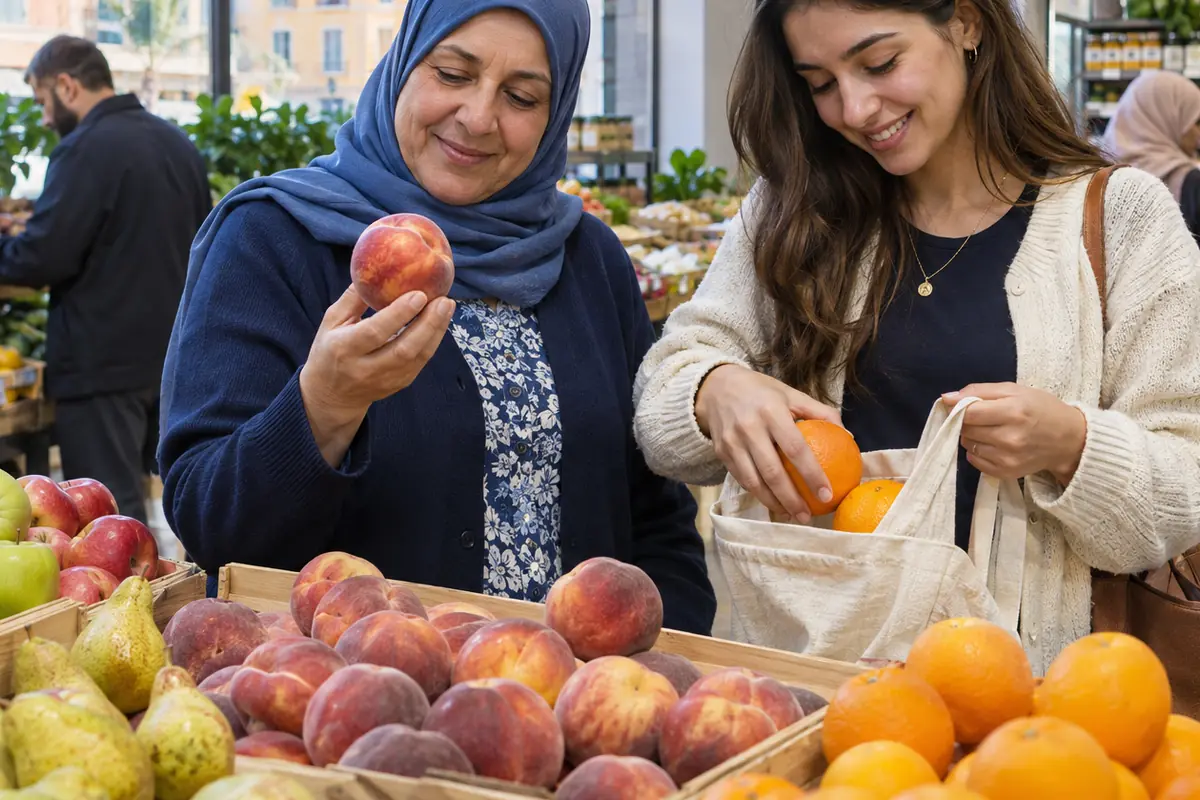
UK, Belfast has a compact but lively halal supermarket landscape, centred on the south of the city and around the university quarter. A halal supermarket stocks meat prepared in line with Islamic slaughter rules, plus rice, flour, spices, dairy, frozen goods and other groceries that contain no pork or alcohol. In Northern Ireland, shoppers mix large grocery chains with independent international stores, and many compare prices and offers between them. Because the market is smaller than in big English cities, ranges can be narrower, so regular customers learn where each product is reliably found.
A halal supermarket map of south Belfast
The Ormeau Road, Botanic Avenue and the streets around Queen's University form the traditional heart of international food shopping in Belfast. Grocers there sell halal chicken, lamb, tinned pulses, spices and fresh bread side by side, serving students, medical staff and long-established Muslim families.
Beyond that corridor, the picture is more scattered. Parts of the north and east of the city rely on convenience shops and retail park supermarkets, so a household may combine a main weekly shop at a chain with a short trip south for items that suit its cooking better.
Parking is limited on the Ormeau Road at busy times, so many people walk, cycle or use the Glider and bus routes that run through the corridor. Smaller basket sizes follow naturally, which encourages frequent short visits and a close relationship with the grocers who know their regulars by name.
Halal groceries in the big Northern Ireland chains
Large supermarkets operating across Northern Ireland, including Tesco, SuperValu and Sainsbury's, stock a limited halal selection in many branches, generally poultry, mince and a few ready meals. Ranges vary by store, which is why checking the chilled aisle on arrival remains the sensible approach.
Discount operators such as Lidl and Aldi appeal for dry goods, vegetables and dairy. Their meat counters are not always halal-focused, so buyers who want certified products often pair them with a specialist butcher and use the chains for everything else.
Northern Ireland also benefits from cross-border habits. Some households occasionally shop in border towns or order from suppliers in the Republic, so product names and brands from both jurisdictions turn up in kitchens, and labels sometimes carry both sterling and euro references.
Reading halal certification and slaughter labels
A recognised certification mark is the first thing most shoppers look for on a pack. Some also read whether the product states stunned or non-stunned slaughter, because households hold different views. Neutral information on the label lets each buyer decide according to their own practice.
Processed foods demand extra attention. Sausages, burger patties, sauces, biscuits and sweets can hide gelatine, animal fats or alcohol-based flavourings. Looking at the full ingredient list rather than relying on a front-of-pack claim avoids most confusion and protects the household from mistaken purchases.
When a label is unclear, staff in independent grocers can usually identify the supplier and describe how the product reached the shelf. That conversation costs nothing and often reveals alternatives that suit the same recipe.
Shopping for halal meat from butchers and counters
Specialist butchers remain valued in Belfast for cutting meat to order: diced lamb for stews, chicken jointed for grilling, mince ground on request. Freshness, trimming and portion size can be adjusted to the dish, something pre-packed trays cannot match.
Customers often ask about origin, since lamb from Northern Irish farms and imported meat are both common. Butchers who are open about their sourcing tend to earn loyal followings, and a quiet weekday morning gives time for a proper conversation about cuts and storage.
Comparing prices across the city
Price comparison works best when based on weight or volume rather than pack size. Unit prices on shelf labels show how a family pack of chicken compares with a smaller tray, and how a sack of rice stacks up against loose weight bought at an independent store.
Transport again matters. A modest saving on staples may vanish when fuel or bus fares are added, so many Belfast households pick one dependable shop for bulk dry goods, then buy fresh produce and meat nearer home, adjusting after watching their receipts over several weeks.
Keeping receipts for a few weeks reveals patterns that memory misses. Seeing that one store is regularly cheaper for oil and another for chicken lets a household split its shopping sensibly, without spending an afternoon driving between several car parks.
Offers, loyalty schemes and seasonal buying
National chains often use loyalty cards and weekly promotions that include basic foods, while independent grocers lean on bulk deals for rice, oil, flour and lentils. The terms are not uniform, so reading the shelf ticket or asking at the till prevents disappointment.
Ramadan and Eid bring a surge in demand for dates, sweets, ghee, bread and larger cuts of meat. Booking a butcher in advance and buying non-perishables early are common strategies, and community groups sometimes pool orders to ease pressure at busy shops.
Outside festivals, quiet periods can bring clearance of short-dated items. Freezing portions on the day of purchase makes the most of such opportunities without wasting food.
Students and families around Queen's University
The Holylands and Stranmillis areas house thousands of students, many from the Gulf, South Asia and Africa. They tend to buy small quantities, cook in shared kitchens and look for halal chicken, rice and frozen vegetables within walking distance.
Families in nearby residential streets shop on a different rhythm. They plan weekly menus, buy meat in larger amounts and often visit the same grocer for years, building the kind of relationship that makes questions about certification easy to ask.
Societies at the university occasionally organise food nights and community meals, which raises demand for large quantities of rice, chicken and vegetables. Local grocers are used to such requests and can often prepare an order if given a few days of notice.
Online ordering and delivery in Northern Ireland
Home delivery from the main grocery chains reaches Belfast and surrounding towns, and halal items appear in the online catalogue according to what a local store carries. Choosing a delivery window and reviewing substitutions before confirming the order keeps surprises to a minimum.
Specialist suppliers who ship chilled halal meat across the UK can serve households that cannot find a certain cut locally. Checking whether Northern Ireland is covered, how the parcel is insulated and what the minimum basket is helps avoid delays.
Weather and ferry disruptions can occasionally delay deliveries of fresh stock to Northern Ireland. Keeping a modest reserve of frozen halal meat and pantry basics at home gives a household resilience against a missed delivery or a store that has sold out.
Small habits that keep a halal basket reliable
Many shoppers keep a short list of trusted products: a favourite poultry brand, a preferred rice, a cooking oil they know. Sticking to those lines saves time at the shelf and reduces the need to reread every label, though a periodic recheck catches recipe changes.
A cool bag for the journey home protects meat, particularly when several errands are planned. Raw items belong on the lowest shelf of the fridge, and surplus portions should be frozen promptly so the quality remains good for later meals.
Asking a grocer to set aside a favourite item during busy weeks, or to say when a new shipment is expected, is a courtesy that independent shops usually welcome and that saves a wasted journey.
Retailers and organisations to know
- Tesco Northern Ireland — Grocery chain with stores across Belfast, offering a halal poultry and mince selection in larger branches.
- SuperValu — Irish supermarket brand present in Northern Ireland, useful for fresh produce and dry staples to pair with halal meat.
- Sainsbury's — National supermarket with Belfast stores and online delivery, stocking a limited range of halal-labelled products.
- Lidl Northern Ireland — Discount supermarket popular for vegetables, rice, dairy and pantry goods in Belfast neighbourhoods.
- Iceland — Frozen food retailer whose freezer cabinets include halal-labelled chicken and ready meals.
- Halal Food Authority — UK certification body auditing slaughterhouses and processors that supply halal meat to British shops.