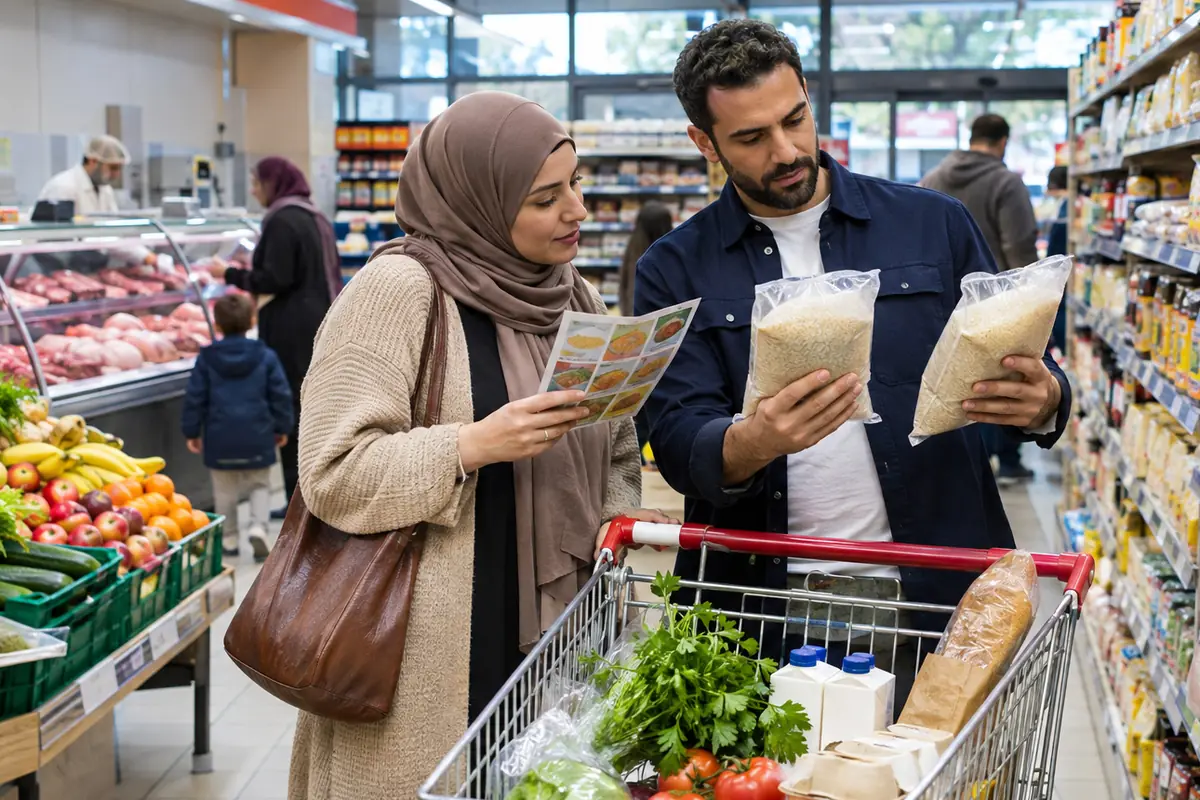
UK, Edinburgh, Scotland's capital, has a halal supermarket scene stretched between the student streets south of the Old Town, the busy corridor of Leith Walk and the western districts around Gorgie and Dalry. Around Edinburgh, a halal grocer offers meat from animals slaughtered by Islamic rules, plus grains, dried beans, seasonings, baked goods, milk products and frozen items with no pork or alcohol ingredients. Tenement flats with compact kitchens shape how people shop, favouring frequent small trips and careful comparison of prices and offers between corner grocers and the larger chains.
Halal supermarket districts of Edinburgh
Nicolson Street, Clerk Street and Causewayside, close to the university, are long-standing addresses for halal groceries and butchers. Their customers include students, hospital staff, shopkeepers and families who have lived in the Southside for generations.
Leith Walk and Easter Road run through a different, more mixed district with Polish, Italian, Middle Eastern and African shops side by side. Gorgie Road and the streets of Dalry add further grocers, so the whole city can be crossed on a bus route without losing sight of a halal store.
The Edinburgh Central Mosque near Potterrow draws crowds on Fridays, and nearby grocers see a steady flow of worshippers picking up bread, dates and snacks. Further out, Portobello, Corstorphine and Wester Hailes are served by retail parks and local parades with a smaller but growing choice of international foods.
Big-name supermarkets with halal lines
Tesco, Sainsbury's, Asda, Morrisons and Lidl operate multiple Edinburgh branches, and several of the larger stores include a halal section with chicken, lamb mince and sometimes frozen kebabs. Smaller express stores in the centre carry fewer lines, so stock varies noticeably.
The Co-op, with many convenience shops across the capital, is useful for quick purchases of milk, bread and eggs. Shoppers who live in flats without a car tend to rely on such shops, saving the big halal purchase for an occasional trip.
Edinburgh's airport and tram line make it easy to reach large stores in the west, such as those near Ingliston and Gyle. Residents without a car often book a delivery or share a lift with neighbours when a big shop is needed.
Butchers and fresh meat counters
A traditional halal butcher cuts lamb and chicken according to the customer's needs and can sell larger quantities for gatherings. Many Edinburgh households use one butcher for years, building trust that is hard to replicate with packaged meat from a supermarket fridge.
Scottish lamb is a point of pride, and some shoppers ask whether it is local or imported. Butchers often explain the origin and the supplier when asked, and can recommend the right cut for a roast, a stew or a barbecue.
Early in the week and in the morning are the best times for a conversation, before weekend crowds and festival-time visitors fill the shop.
Cuts of mutton and goat can be harder to find than lamb or chicken, and customers sometimes place a special order a few days in advance. Butchers who know their regulars will often keep something aside when the delivery arrives.
Halal supermarket certification and ingredient checks
The mark of a recognised certification body is the usual starting point when buying halal food in Scotland. Shoppers look for it on poultry, ready meals and snacks, and also on stock cubes, sweets and biscuits where hidden animal ingredients may appear.
Ingredient lists reveal gelatine, animal fats and flavourings dissolved in alcohol, and visitors unfamiliar with local brands rely on them. Because rules and product recipes can change, rereading labels on familiar items now and again is a sensible habit.
Foreign visitors in particular benefit from asking at the till which brands neighbours trust, as the answer is usually quick and specific.
Comparing prices in a tourist capital
Edinburgh's rents and visitor numbers push up prices in the centre, so groceries near the Royal Mile tend to cost more than those a bus ride away. Comparing unit prices on the shelf ticket shows how much that convenience adds.
Households often keep a mental map: cheap rice and oil at one store, good chicken at a butcher on the Southside, vegetables from a Leith greengrocer. Planning a weekly route that links two or three of these places saves more than hunting for a single bargain.
Cheap flights, student visitors and short-stay apartments add another layer: tourists staying in self-catering flats look for halal chicken, rice and fresh vegetables close to their accommodation. Shops near the Old Town and the station sometimes stock small packs designed for such short stays.
Offers, discounts and festival periods
Chains promote multibuys and card prices, while independent grocers announce bulk deals on sacks of rice, flour and lentils. The details differ by shop, so reading the small print about dates and limits prevents disappointment.
August brings the festival season, and shops in the centre become busier, with tourists buying snacks and picnic goods. Residents often shift their own shopping to quieter hours or to suburban stores to avoid crowds.
Neighbourhood community groups and mosque notice boards frequently post news about special orders for the festivals, and an early message to a butcher usually secures the preferred cut. Planning menus ahead helps shoppers decide what to buy fresh and what to freeze.
Using a phone notes app to track which store offered the best price for a regular item makes later comparison easy.
Small kitchens, big flavours: pantry and freezer
Many Edinburgh flats have modest storage, so shoppers choose stackable containers, flat freezer bags and compact tins. Dry spices, rice and lentils keep well, while frozen halal chicken, fish and parathas help those who cannot shop daily.
Cooking in batches suits the cold, damp climate. A pot of dal, a lamb stew or a chicken curry can feed a household for several days, and portions frozen in reusable tubs turn into easy dinners on the evenings when work ends late.
Soups are a staple of Scottish winters, and halal cooks adapt them with lentils, chickpeas, root vegetables and a handful of spices. Such dishes use inexpensive ingredients and reheat well, an advantage for busy families watching their weekly budget.
Delivery, hills and getting groceries home
Edinburgh's hills and cobbled lanes can make carrying heavy bags tiring, so delivery services are widely used. National supermarkets deliver across the city, and some independent grocers offer local drop-offs for regular customers.
Those who walk or take the bus often shop little and often with a rucksack or a trolley bag, and pick up heavier items by car share. Checking delivery windows around festival traffic and winter weather avoids long waits.
Courier vans manage the steep cobbles and narrow streets of the Old Town less easily than the flatter suburbs, so delivery slots there may be wider. Allowing a little extra time for a chilled order is a sensible precaution.
Everyday routines for a dependable halal basket
Regular customers keep a short list of trusted products, check the certification mark and look at the use-by date before they leave the shop. Doing so each time turns careful buying into a quick habit.
A cool bag for the walk home, sensible separation of raw and cooked foods in the fridge and a clear label on every frozen portion make the most of what has been bought.
Keeping a few shelf-stable staples at home protects against bad weather, a missed bus or a delivery slot that falls through.
Retailers and organisations to know
- Tesco — National supermarket with many Edinburgh stores; larger branches carry halal poultry and lamb mince.
- Sainsbury's — Supermarket chain with city-centre and suburban branches offering limited halal ranges and delivery.
- Asda — Large-format grocer in the Edinburgh area, with halal meat in selected stores and online ordering.
- Lidl GB — Discount supermarket popular for vegetables, dairy, grains and pantry goods across the capital.
- Co-op Food — Convenience chain with numerous Edinburgh shops, handy for daily basics close to home.
- Halal Monitoring Committee — UK certification body whose mark appears on many halal products sold in Scottish shops.