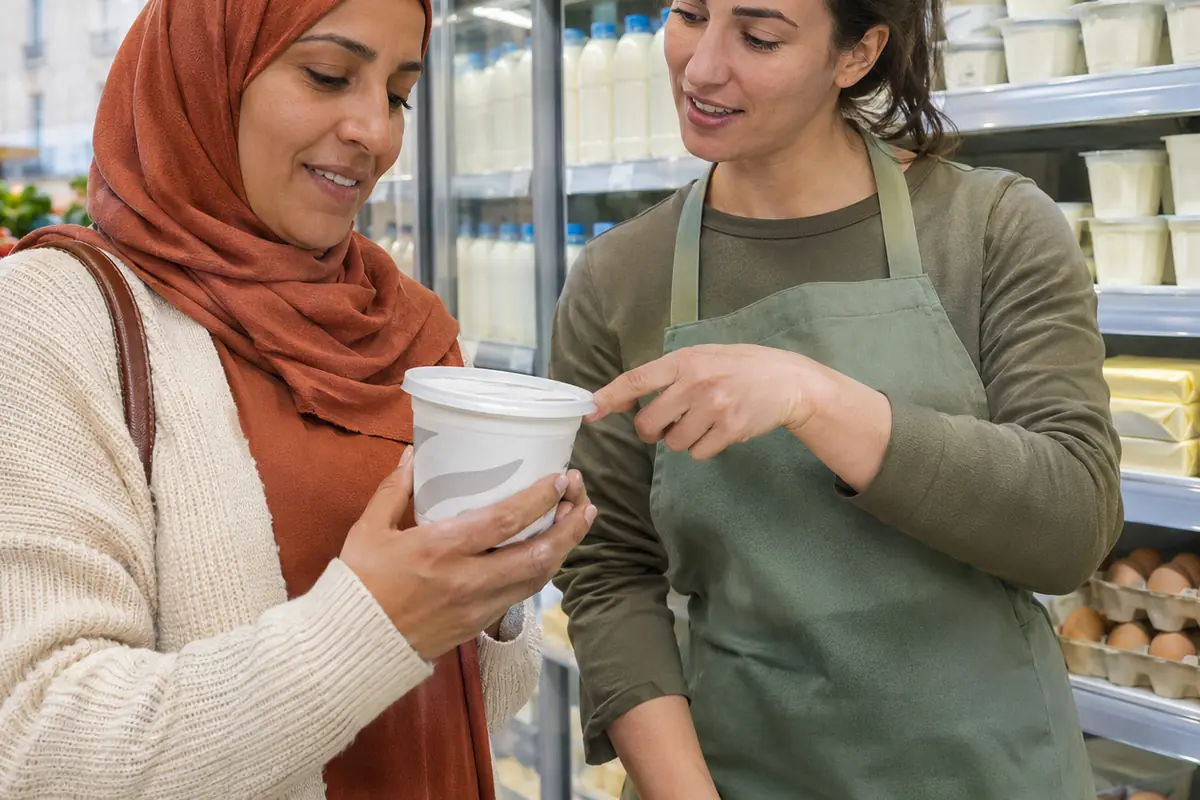
In Kenya, a halal supermarket is a food store selling meat, poultry and processed groceries with clear halal assurance, typically next to everyday household goods. The format ranges from national chains with a dedicated butchery counter to small Swahili-coast groceries and Eastleigh wholesale shops. Shoppers weigh prices and offers by comparison, checking the slaughter statement, the certifying body named on the pack and the ingredient list for pork or alcohol derivatives. Nairobi, Mombasa and Kisumu each show a different mix of supermarkets, markets and delivery services.
Where Kenyan halal shopping happens
Muslim households in Kenya buy their food through a patchwork of outlets rather than a single dominant format. Nairobi has the widest range, from large mall supermarkets to neighbourhood butcheries, while the coast relies on a long tradition of family-run provision stores and open-air markets.
Western Kenya, the Rift Valley towns and the north-eastern counties follow their own rhythms. In many of these places the halal question is settled by the butcher rather than the shelf, because fresh meat is bought locally and slaughtered by a Muslim trader known to the community.
Packaged goods such as rice, flour, cooking oil, tea and tinned foods are widely stocked everywhere. The questions begin with meat products, dairy desserts, confectionery and ready meals, where the source of gelatine, flavourings and fat decides whether a product suits a halal diet.
Informal trade deserves a mention as well. Roadside kiosks, mama mboga vegetable stalls and mobile sellers fill the gaps between formal stores, and they set the everyday benchmark against which supermarket groceries are measured by many Kenyan families.
Nairobi neighbourhoods and their food stores
Nairobi is the centre of the country's halal retail trade. Eastleigh, with its strong Somali commercial presence, is known for dense shopping streets where wholesale sacks of rice, pasta, dates and spices sit beside butchers and camel-milk sellers.
Parklands, South C and Pangani reflect the long-established Asian Muslim communities, with older grocers and bakeries that serve family recipes. Suburbs such as Kilimani and Westlands lean toward modern supermarkets inside malls, where halal meat is usually a labelled section of the main butchery.
Shoppers often combine two stops: a supermarket for dry goods and household items, then a trusted butcher for the weekly meat. That habit makes a comparison of offers easy, since the same basket can be split between several sellers.
Mombasa and the Swahili coast
Along the coast, Islam is part of everyday commerce, and the question of halal food rarely needs explaining. Mombasa's Old Town, Majengo, Likoni and Kongowea markets supply fresh fish, coconut, cassava, spices and meat, much of it bought directly from sellers who share the buyer's faith.
Large chains operate in Nyali, Bamburi and the town centre, but many families still prefer the corner duka. Prices there are agreed through habit and familiarity as much as through any printed tag.
Seafood is central to coastal menus, and fresh fish is bought whole or filleted at the market. Processed items, such as sauces, tinned products and frozen snacks, are where reading the label becomes the practical safeguard.
Tourism shapes part of the coastal market. Hotels and restaurants in Diani, Malindi and Mombasa buy halal meat and fresh seafood in volume, which keeps supply steady for local households and encourages competition between neighbouring suppliers.
Choosing a halal supermarket among the chains
Several national supermarket groups operate in Kenya, including Naivas, Quickmart, Chandarana Foodplus and Carrefour. Their branches differ from one location to another, so a halal butchery counter in one store may not exist in a neighbouring branch of the same chain.
Because of that variation, a halal supermarket choice is best made branch by branch. Buyers look for a visible halal statement at the meat counter, packaging that names the slaughter method and, for processed goods, a certification mark from a recognised body.
Wholesale and cash-and-carry formats also matter to larger households, mosques and caterers. Buying rice, flour, sugar and cooking oil in bulk is a familiar way to stretch a monthly food budget without changing the products themselves.
Comparing prices and offers in practice
Comparison in Kenya starts with the unit price, not the headline price. A bag of rice, a kilogramme of beef or a tray of eggs looks cheaper or dearer depending on pack size, so shoppers read the price per kilogramme or litre shown on the shelf label.
Loyalty cards, weekend promotions and bulk discounts are common among the big chains, though the terms differ by store and change often. Offers are best confirmed in the branch or in the retailer's own app before a shopping trip is planned around them.
Open markets and neighbourhood butchers rarely publish fixed tags. Buyers compare by asking around, noting what neighbours paid and returning to sellers who weigh honestly and keep their meat clean and cold.
Fresh-meat counters also differ in hygiene practice. Shoppers notice clean cutting boards, separate tools for different products, visible refrigeration and staff who can explain where the animal came from, all of which count for as much as the sign above the counter.
Halal meat, certification and labelling
Kenyan halal assurance is a mix of community trust and organised certification. Muslim butchers are often known personally, and many shoppers consider the slaughterer's identity more reassuring than any printed mark.
Organised bodies such as the Supreme Council of Kenya Muslims are associated with halal matters, while the Kenya Bureau of Standards oversees general food labelling and safety. Shoppers who import products or buy from large processors look for a named certifier on the pack.
Label reading goes further than the meat itself. Gelatine in desserts, alcohol-based flavourings, animal fats in biscuits and enzymes in cheese are the usual ingredients that careful buyers check before putting an item in the basket.
Imported products add another layer. Biscuits, sauces and frozen foods arriving from the Gulf, India, Turkey or Europe often carry foreign halal logos, which Kenyan buyers learn to recognise through experience and recommendations from relatives, imams and trusted shopkeepers.
Online halal supermarket ordering in Kenyan cities
Delivery has grown quickly in Nairobi and Mombasa, driven by mobile payments and courier platforms. Several supermarket chains run their own ordering channels, and general delivery apps such as Glovo carry grocery items from partner stores.
For a halal supermarket order, the practical concern is whether the item description says anything about slaughter or certification. Buyers often message the store or call the butchery to confirm the source before accepting fresh meat for delivery.
Cold-chain handling matters in a warm country. Insulated bags, short delivery windows and prompt unpacking keep poultry and minced meat safe, and many households prefer to collect fresh meat in person while ordering dry goods online.
Seasonal shopping, Ramadan and family habits
Ramadan changes the rhythm of Kenyan food retail. Dates, samosa pastry, lentils, flour for mandazi and sweet drinks move to the front of shelves, and butchers prepare for heavier weekly demand.
Eid al-Adha brings a different pattern, with families arranging livestock purchases and sharing meat with relatives and neighbours. Supermarkets and wholesalers adjust stock of spices, rice and cooking oil in the days beforehand.
Outside festival periods, weekly shopping tends to be planned around payday and market days. Many households keep a standing arrangement with one butcher and one grocer, then use supermarket offers for cleaning goods and imported packaged foods.
Retailers and organisations to know
- Naivas — Kenyan supermarket chain with branches in Nairobi and many other towns, selling fresh meat and everyday groceries.
- Carrefour Kenya — Hypermarket and supermarket operator in Nairobi malls, with butchery counters and a wide imported food range.
- Quickmart — Fast-growing national chain with neighbourhood branches stocking staples, fresh produce and meat.
- Chandarana Foodplus — Long-established Nairobi supermarket group with a strong tradition among Asian Kenyan families.
- Supreme Council of Kenya Muslims — National Muslim umbrella body associated with halal matters and community guidance on food.
- Glovo Kenya — Delivery platform that brings groceries from partner supermarkets to homes in Nairobi and Mombasa.