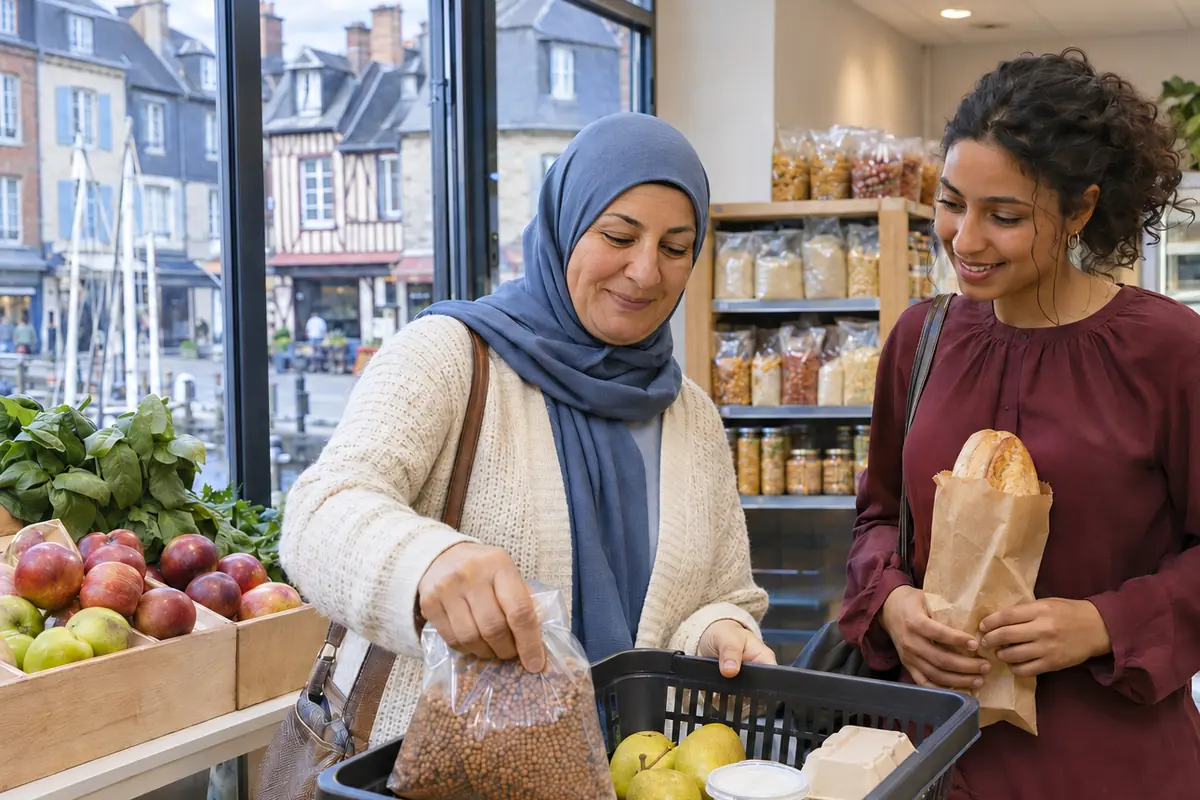
In Mississauga, Ramadan market food and opening hours reflect a wide lakeside city of big shopping plazas, ethnic supermarkets and busy bakeries serving Arab, South Asian, Somali, Bosnian and Caribbean Muslim residents. Fasting households buy dates, milk, lentils, flatbreads, fruit and halal meat for iftar, then simple staples for suhoor. Store schedules often stretch into the evening during the month, and the pace of shopping rises sharply near sunset, so checking each business's own notice is the safest way to plan.
A suburban city built around plazas and supermarkets
Mississauga grew as a patchwork of shopping plazas along arterial roads, and most Ramadan shopping happens in those plazas. A single complex may hold a halal butcher, a sweets shop, a bakery and a produce store within a short walk of each other.
Neighbourhoods such as Erin Mills, Meadowvale, Streetsville and the districts near Hurontario Street each have their own mix of independent grocers. Residents often develop loyalty to the nearest plaza, then travel further for special items like particular date varieties.
Because the city depends on cars, evening traffic shapes everything. Leaving work ahead of the commute peak makes parking easier and checkout queues shorter.
Public transit along the main corridors connects several plazas, and some residents combine a bus ride with a stop at a halal grocer on the way home. Others pool rides with relatives to reach a favourite bakery that sits further across town.
Ramadan market food: dates, soups and bakery staples
Dates open the fast for most families, and Mississauga grocers usually display several grades, from everyday boxes to premium gift trays. Customers judge dates by tenderness, size and provenance, and plenty of households buy large boxes well before the first day of fasting.
Soup ingredients such as red lentils, cracked wheat, chickpeas and vermicelli sell steadily, together with tomatoes, onions and fresh herbs. Pastry sheets, cheese and minced meat appear in many baskets for savoury pies that are common on iftar tables.
Bakeries supply fresh flatbreads, pita and sweet pastries daily. Some also take orders for large trays ahead of gatherings, which is a useful habit when family and friends visit in the evening.
Fresh produce rounds out the table with cucumbers, lemons, mint, parsley and salad greens for light starters. Many families also pick up yoghurt, laban and milk daily so that suhoor drinks and sauces for grilled dishes stay fresh.
Halal butchers and certified meat across the city
Independent halal butchers are easy to find in Mississauga plazas, and several national supermarkets keep a dedicated halal meat counter or pre-packed halal range. Counter staff can explain cuts and suggest quantities for family meals.
Customers often look for a certification statement on the shop window or packaging, issued by a recognised Canadian halal body. Asking about slaughter practice and ingredients in prepared items is a normal part of choosing a butcher.
Demand rises sharply in the final stretch before the festival, so placing orders early for lamb, goat and whole chickens helps. Some butchers will cut and clean meat to suit particular recipes.
Prepared halal products such as marinated kebabs, seasoned wings and ready-to-cook koftas are sold at many counters. They save time on busy evenings, though buyers still read labels to confirm what the marinade contains.
Opening hours during Ramadan and evening shopping patterns
Opening hours are one of the most practical concerns. Many independent businesses extend their evening service so that families can shop after the fast is broken, while others open later in the day and keep a steadier rhythm through the night.
Large supermarkets generally keep regular schedules but add staff and restock more often as the evening rush builds. Because each business sets its own timetable, a quick call or a look at its online page saves a wasted drive.
Weekends bring heavier crowds, especially at plazas with several halal outlets. Those who like calmer aisles tend to go in the early afternoon on weekdays and keep the late evening for quick top-ups.
Pre-festival days often see particularly long evening queues at sweets shops and butchers. Those who plan around that surge usually shop early in the week or choose smaller neighbourhood outlets that stay calmer.
Specialty grocers and international aisles
The city's diversity means that specialty stores cater to many culinary traditions. Middle Eastern shops stock tahini, za'atar, freekeh and rose water, while South Asian stores supply chickpea flour, tamarind, spices and ready-made samosa sheets.
Somali, Turkish and Balkan grocers add their own staples, from sweet pastries to cheese and cured goods suitable for halal diets. Browsing between plazas lets households assemble a menu that reflects their own family heritage.
Large international supermarkets bring these products together under one roof. They suit anyone who wants a single trip, though specialist shops often offer fresher bread and sweets.
Spice merchants allow customers to buy small quantities of cumin, coriander, cardamom and cinnamon for particular recipes. This is helpful for those testing a new dish and unwilling to commit to large packets.
Lakeside and suburban markets worth knowing
Beyond the plazas, seasonal farmers' markets and fresh produce stands appear in several parts of the city. They offer local vegetables, berries, eggs and honey when the weather allows, giving a different feel from supermarket shopping.
The Port Credit waterfront area attracts weekend visitors, and nearby shops stock bakery items and gourmet foods. A walk by the lake paired with a few purchases often makes errands feel relaxed during the fasting month.
Larger regional markets in neighbouring Toronto are also reachable by road or transit, giving another source for specialty items when something cannot be found locally.
Hobby growers and community gardens in some neighbourhoods sell herbs and vegetables in season. These small sources are modest in volume, yet they appeal to cooks who value freshness and local character.
Delivery, pickup and online grocery options
Online ordering is widely used in Mississauga because many households have long commutes. National supermarket chains offer pickup and delivery, and delivery platforms connect customers with independent halal shops.
Ordering heavy items such as rice, oil and water by delivery spares families the carrying and the parking search. It is wise to review substitution preferences so that halal-labelled products are not swapped for something unsuitable.
Delivery windows tend to fill around the late afternoon. Booking earlier in the day or opting for curbside pickup keeps the iftar schedule on track.
Some households split orders between a supermarket for packaged goods and an independent shop for meat and sweets. That approach takes a little coordination, yet it often delivers better quality for the items that matter most at iftar.
Planning a calm, well-stocked Ramadan shop
Making a weekly menu and a shopping list before heading out saves time and reduces waste. Grouping items by store type, such as bakery, butcher and produce, helps decide which plaza to visit first.
Freezing portions of meat, pastry dough and soup bases lets households cope with busy workdays. Reusable cooler bags keep perishable items safe on the drive home, particularly in the warmer months.
Neighbours and local mosques often share news about stock and fresh deliveries. Following that word of mouth can reveal the best shops for a particular item at a particular moment.
Keeping a small stock of shelf-stable basics, such as canned beans, pasta, tea and oats, prevents emergency trips on days when work or family commitments run late into the evening.
Retailers and organisations to know
- Square One Shopping Centre — Large regional mall in the city centre with food retailers and nearby supermarkets for everyday and festive shopping.
- Costco Wholesale — Warehouse club used for bulk staples, dates, rice and frozen goods for large households.
- Food Basics — Discount supermarket chain with locations in several neighbourhoods and a broad range of pulses, rice and produce.
- No Frills — Value-oriented supermarket chain frequently used for weekly grocery shopping and basic iftar ingredients.
- Walmart Canada — National retailer with grocery aisles, online pickup and delivery in the Mississauga area.
- Instacart — Delivery platform that connects shoppers with supermarkets and independent grocers.
- Halal Monitoring Authority — Canadian halal certification organisation whose mark appears on meat and packaged foods.