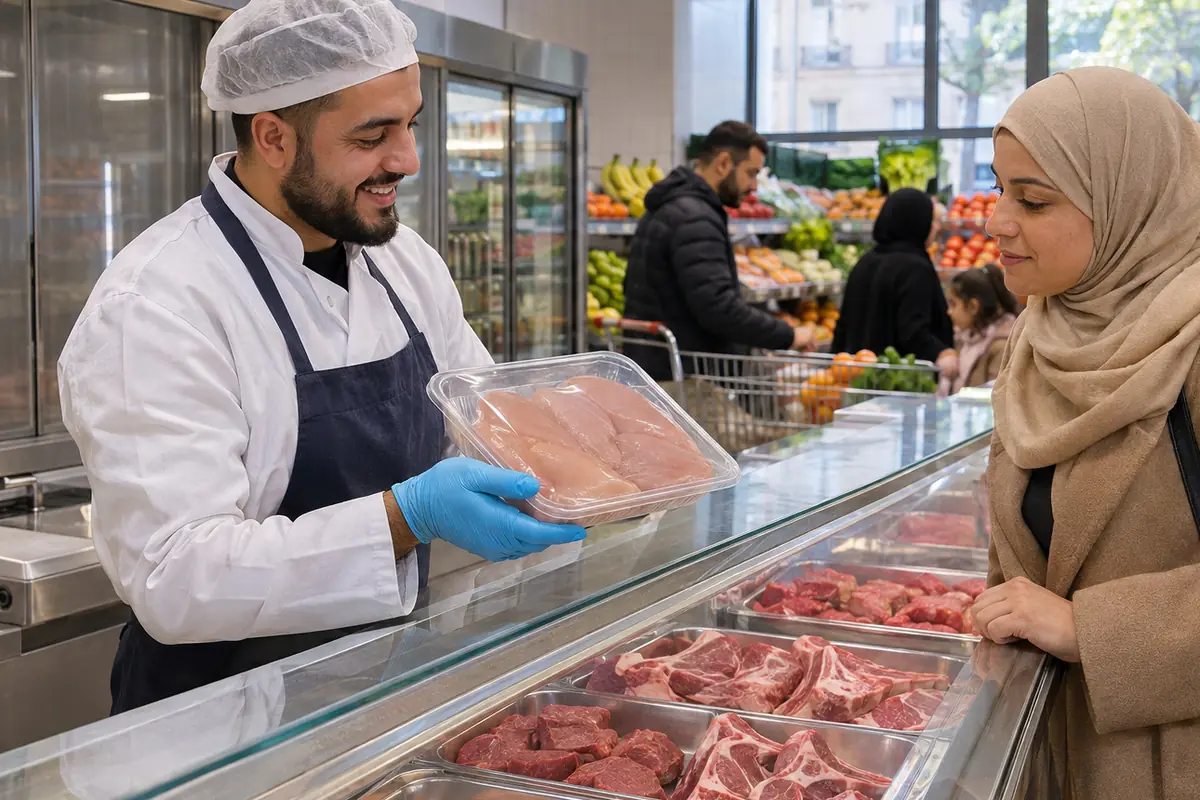
USA, Houston is a sprawling Texas metropolis where a halal supermarket can be a large international grocery along a South Asian corridor, a Middle Eastern market in a strip mall, or a national chain with a zabiha meat case. Diverse Muslim communities from Pakistan, India, Nigeria, Somalia, the Arab world and Bosnia shop here for halal groceries, then compare prices and offers by car across long distances. At the counter, shoppers ask about certification, slaughter method and the origin of every cut of meat.
Halal supermarket formats across Houston
Distances define shopping in Houston. The metropolitan area stretches across suburbs such as Sugar Land, Katy, Bellaire and the southwest side, and each has its own cluster of halal-friendly stores. A halal supermarket may therefore be a large warehouse-style grocery or a modest market in a shopping centre beside a restaurant and a bakery.
The southwest corridor around Hillcroft Avenue and Gulfton is known for South Asian grocers, butchers and sweet shops, where aisles overflow with rice, lentils, spices, frozen parathas and fresh produce. Other neighbourhoods feature Middle Eastern, African and Mediterranean markets with their own breads, cheeses, olives and marinated meats.
National chains complete the landscape. Large Texas grocers and warehouse clubs stock halal-labelled chicken, lamb or beef in some stores, and a few carry international aisles that reflect the city's diversity. Availability changes by branch, so customers often phone ahead or look at the cooler before planning a large cooking day.
Zabiha meat and halal certification in the United States
In the United States, the word zabiha describes meat from animals slaughtered by hand according to Islamic practice, while the broader label halal can refer to compliant products of many kinds. Certification is private, and several nonprofit and commercial bodies issue marks that appear on packages and in butcher displays.
Houston shoppers tend to check three things: the certifying organisation, the slaughterhouse or supplier, and whether the shop handles pork nearby. Butchers who serve the community usually welcome these questions, and they often display certificates near the counter so customers can read them without asking.
Processed foods raise additional questions. Gelatin, enzymes, flavourings and cooking fats in snacks, desserts and frozen meals are not always obvious, so many buyers rely on lists published by certifiers or on a familiar brand. This careful reading becomes automatic after a few visits to the same aisle, and newcomers quickly learn which brands and counters they can return to without checking each time.
Halal groceries for large and mixed households
Households in Houston often feed extended families, and the grocery list reflects it. Big bags of basmati, jasmine or sella rice, flour for flatbreads, cooking oil by the tin, canned chickpeas and beans, and trays of eggs fill the cart. Bulk buying is common, and freezers in garages or kitchens store much of the meat.
Fresh produce plays a central part. Many halal markets sell herbs, okra, eggplant, bitter melon, plantain, chilies and tropical fruit that supermarkets may not stock in depth. Cooks prepare everything from curries and stews to grilled meats and rice dishes, so a single trip may cover several culinary traditions.
Convenience items matter for working families. Frozen samosas, pre-marinated chicken, ready breads, sauces and spice mixes shorten weeknight cooking, and bakeries attached to markets sell fresh flatbread each day. Customers pick the combination that suits their schedule and compare small differences in quality between sellers. Sampling a new bakery or sweet counter is also a pleasant way to discover what a neighbourhood offers.
Comparing prices between halal supermarkets
Price awareness is strong in a city this large. Shoppers know that a store a few miles away may sell the same rice or chicken for less, and they weigh that gain against traffic and time. Highways can turn a short distance into a long drive, so convenience plays a real part in the final decision.
Unit prices make comparisons fairer. A bulk sack may look expensive on the ticket yet cost less per pound than a smaller bag, and a family-size tray of chicken can undercut individual packs. Reading the unit line on the shelf label is a simple habit that avoids false bargains.
Quality still counts beyond the number. Freshness dates, trimming, bone weight and certification affect the real value of meat, and produce that spoils quickly is no bargain. Experienced buyers therefore keep a small mental list of which store is best for each category, rather than looking for one universal cheapest source.
Weekly offers, flyers and festival demand
Texas grocers publish weekly flyers and app-based coupons, and many halal markets follow the same custom with printed sheets or social media posts. Typical promotions feature produce, rice sacks, meat packs and drinks, but ranges vary from week to week, so a deal should be confirmed at the store before a long trip.
Seasonal peaks follow the Islamic calendar. Ahead of the fasting month and the two major festivals, shops fill with dates, sweets, lamb, special flours and prepared foods, and lines grow at butcher counters. Placing an order early for a particular cut or a whole animal helps avoid disappointment.
Loyalty programmes and community discounts exist at some chains, though terms differ widely. Customers who shop regularly in one market may also get small courtesies such as custom cutting, advance reservation of items or a tip about the next shipment. These personal services can matter as much as a printed promotion.
Climate, cars and cold-chain habits in Houston
Houston's heat and humidity influence how people carry food home. Meat and dairy should stay cold on the trip, so many shoppers bring insulated bags or ice packs and avoid leaving groceries in a hot car. Plans that combine several stops often start with dry goods and end with frozen items.
Hurricane season and heavy rain also shape habits. Households keep emergency stocks of rice, beans, canned foods and water, and they check that the freezer works before storms arrive. After flooding or power cuts, customers pay close attention to safe storage and discard meat that may have warmed.
The car-based layout limits impulse shopping. A weekly or fortnightly big trip is the norm, followed by smaller local top-ups for bread and vegetables. Because trips are infrequent, planning menus, checking the freezer and writing a list in advance prevent wasted fuel and duplicated purchases.
Delivery, online ordering and wholesale in the Houston area
Online grocery services deliver across much of the metropolitan area, and several halal markets accept phone or app orders for pickup. This option is useful for large families and for people who cannot drive long distances. Customers should confirm substitutions policy, packaging for cold items and the halal status of meat.
Wholesale and restaurant suppliers serve the city's many halal eateries, food trucks and caterers. Some sell to individuals in bulk quantities, others only to registered businesses, so conditions need checking first. Families organising weddings or community dinners sometimes arrange large orders through a trusted butcher.
Mosques, student associations and neighbourhood groups often share advice about reliable suppliers. Newcomers learn which market has the freshest chicken, which bakery sells warm bread on Friday and which butcher prepares special cuts on request. This shared knowledge is a major asset in such a large and spread-out city.
Retailers and organisations to know
- H-E-B — Texas grocery chain with a wide presence around Houston and international aisles in many stores.
- Fiesta Mart — Houston-based supermarket known for its international food departments and diverse produce selection.
- Kroger — National grocer with Houston stores offering halal-labelled meat in selected locations and online pickup.
- Costco — Warehouse club whose bulk packs of rice, oil and meat suit large households in the Houston area.
- Patel Brothers — South Asian grocery chain with Houston-area stores selling spices, lentils, rice and frozen foods.
- IFANCA — Islamic Food and Nutrition Council of America, a halal certifier whose crescent-M mark appears on many packaged foods.
- Islamic Services of America — Halal certification organisation covering meat and packaged foods sold across the United States.