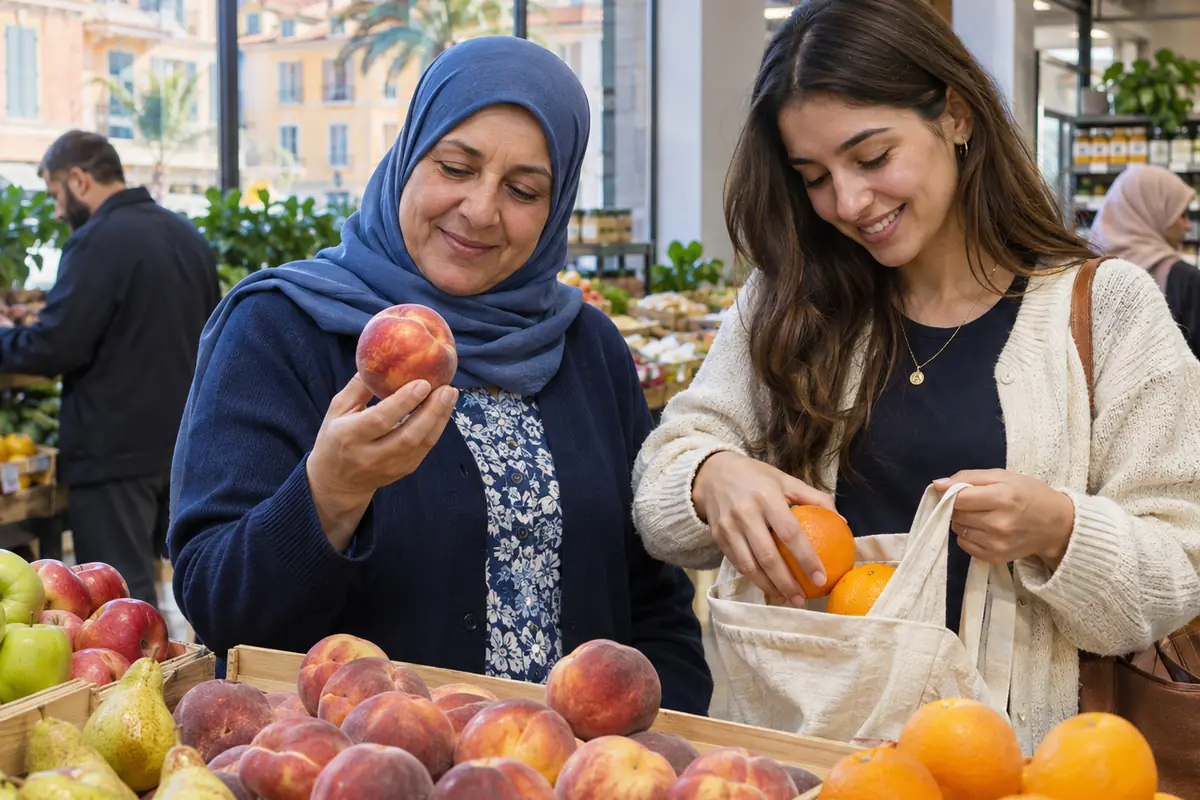
In Brisbane, Ramadan market food and opening hours revolve around a subtropical river city where fruit stalls, Asian grocers and halal butchers sit close to large supermarkets. Dates, ripe fruit, soup vegetables, loaves and halal cuts are the staples that fill baskets ahead of the sunset meal, and since stores shift their trading patterns across the month, confirming times with the shop itself is wise. Suburbs such as Sunnybank, Logan and the inner west each give shoppers a distinct mix of specialist stores and weekend markets.
Fruit stalls and Ramadan markets in a subtropical city
Brisbane's warm climate gives fruit a starring role at the iftar table. Mangoes, melons, citrus, bananas and papaya are easy to find, and many shoppers buy fruit for the first sweet taste after sunset, often alongside dates and a glass of water or juice.
Weekend markets such as the Davies Park market in West End offer fresh produce, baked goods and prepared food in a relaxed outdoor setting. Many stallholders welcome questions about ingredients, which helps shoppers who are looking for products suited to their dietary habits.
Since market arrangements can change, particularly in wet weather, careful shoppers look at the organiser's notice before heading out. The same applies to trading patterns during the fasting month, which are set by each operator and are best confirmed directly.
Bakery counters near the markets add a final layer to the evening menu. Sambousek pastries, flatbreads, sweet semolina cakes and fresh rolls are taken home still warm, and shoppers who like variety often buy a small amount from two or three bakeries rather than a large order from one.
Wholesale produce and Rocklea for larger Ramadan shops
The Brisbane Markets precinct at Rocklea is the city's main wholesale produce hub, and some retail sellers and specialist grocers operate around it. Households planning shared iftar meals, or community groups buying in volume, sometimes look to suppliers in this area for fruit and vegetables.
Buying in bulk calls for planning. Cases of tomatoes, onions, cucumbers and herbs need cool storage, so many shoppers split purchases between a main trip and a few fresh top-ups closer to the meal. Humid weather makes quick refrigeration especially important.
Retail customers should check whether a particular seller is open to the public, since wholesale trading follows different patterns from ordinary shops. A phone call or a look at the operator's website answers the question without a wasted journey across the city.
Smaller community groups sometimes pool their orders, with one volunteer collecting cases of produce for several households. This approach reduces the number of cars on the road, shares transport costs and lets families who work long hours receive fresh fruit and vegetables without leaving their neighbourhood.
Sunnybank, Logan and Brisbane's specialist grocers
Sunnybank is renowned for its Asian grocers and eateries, and the surrounding southside suburbs host many families from South Asian, Middle Eastern, African and Pacific backgrounds. Shoppers there find spices, rice varieties, noodles, sauces and fresh herbs that suit very different iftar menus.
Further south, Logan has a wide mix of communities and neighbourhood shops, where halal butchers and grocery stores serve nearby families. These stores often become informal meeting places in the evening, with shoppers chatting about recipes and the best bread of the day.
On the northside and in the western suburbs, shopping tends to revolve around larger centres with a main supermarket and a few independent shops. Those who need specialist items usually make a dedicated trip, combining several errands to cut down on travel through traffic.
Because stock differs between stores, regular customers learn which grocer reliably carries a given brand of dates, tahini or flatbread. Sharing this knowledge within the community helps newcomers find what they need quickly.
Halal butchers and meat for iftar in Brisbane
Queensland is a significant beef-producing state, so beef features prominently in butchers' displays, alongside lamb and poultry. Brisbane halal butchers prepare cuts for grilling, stewing and mincing, and some offer marinated options that save time before the evening meal.
Shoppers typically check for a visible halal certificate, the certifying body's name and the packaging information. Several Australian bodies certify halal products, and a butcher can usually explain the source and processing of the meat if asked.
Placing orders ahead is a familiar habit in the fasting month, particularly for larger gatherings or whole cuts. Agreeing a collection window with the butcher keeps the visit short and avoids queues in the busy period before sunset.
Frozen halal poultry and mince from reputable suppliers are also stored in many home freezers. Those buying frozen goods usually read the label for the certification mark and storage advice, then plan the thawing time so the meal is ready when the fast ends.
How supermarkets and shops adjust their opening hours for Ramadan
Coles, Woolworths, Aldi and IGA all operate across Brisbane, and their stores differ in size and range. Larger supermarkets carry dates, nuts, pulses and canned tomatoes in prominent displays during the fasting month, while smaller stores keep to a narrower selection.
Independent grocers and butchers may adjust their schedules, opening later in the day and staying open longer into the evening. These arrangements are set by each business, so shoppers check the door notice, a website or a message from the shop before travelling.
The final hour before sunset brings the heaviest traffic, with crowds at bakeries and meat counters. Arriving earlier in the afternoon or after the meal makes the experience calmer, and the shelves are usually fuller too.
Convenience stores and service station shops fill small gaps, supplying milk, bread, water and snacks when a family runs short. Their range is limited, though, and anyone planning a full iftar spread is better served by a proper supermarket or grocer visited earlier in the day.
Heat, storms and keeping food fresh on the way home
Brisbane summers are humid, and a warm car can spoil chilled items quickly. Insulated bags are a familiar sight for meat, dairy and cut fruit, and many people pick those items up last and head straight home so the cold chain stays intact.
Afternoon storms are common in the warmer months, and sudden downpours can disrupt outdoor markets and make parking lots chaotic. Flexible planning, including a backup shop for essentials, helps families cope when weather changes the usual routine.
Dry goods such as dates, rice, lentils and spices are far less sensitive to heat. Buying them early in the week, then handling fresh items closer to the meal, spreads the workload and keeps the fridge from becoming overcrowded.
Reusable crates and cool bags also help in the car boot, keeping bottles, tubs and meat packs separate from fruit and bread. Households that shop at several stops frequently arrange their route so frozen and chilled products are collected last, reducing the time they spend in the heat.
Delivery services, online baskets and community support
Across Brisbane, ordering groceries online for doorstep delivery or collection is a common habit, especially for bulky pantry items like rice sacks, flour, cooking oil and bottled drinks. Booking early in the day usually gives access to better time slots.
Delivery apps connect customers with restaurants and some specialist grocers, which helps people who work late. Orders for fresh meat or specialised items are often still placed by phone or in person with a trusted butcher, where questions about certification are easy to ask.
Community groups and mosques run food drives and shared iftar events throughout the month, and shoppers often add extra items to their basket for donation. Collection boxes at some shops make it simple to contribute without changing the daily routine.
Retailers and organisations to know
- Brisbane Markets — Wholesale fruit and vegetable precinct at Rocklea that supplies greengrocers, grocers and caterers across south-east Queensland.
- Coles — Supermarket chain with stores across Brisbane, seasonal dates and nuts displays, and online delivery or collection.
- Woolworths — Nationwide supermarket brand offering pantry staples, fresh produce and online ordering for Brisbane households.
- Aldi Australia — Discount supermarket used for staples, dried fruit and nuts bought during larger family shops.
- IGA — Independent supermarket network with neighbourhood stores handy for bread, dairy and last-minute iftar items.
- Australian Federation of Islamic Councils — National body whose member councils include community organisations involved in halal and religious services.