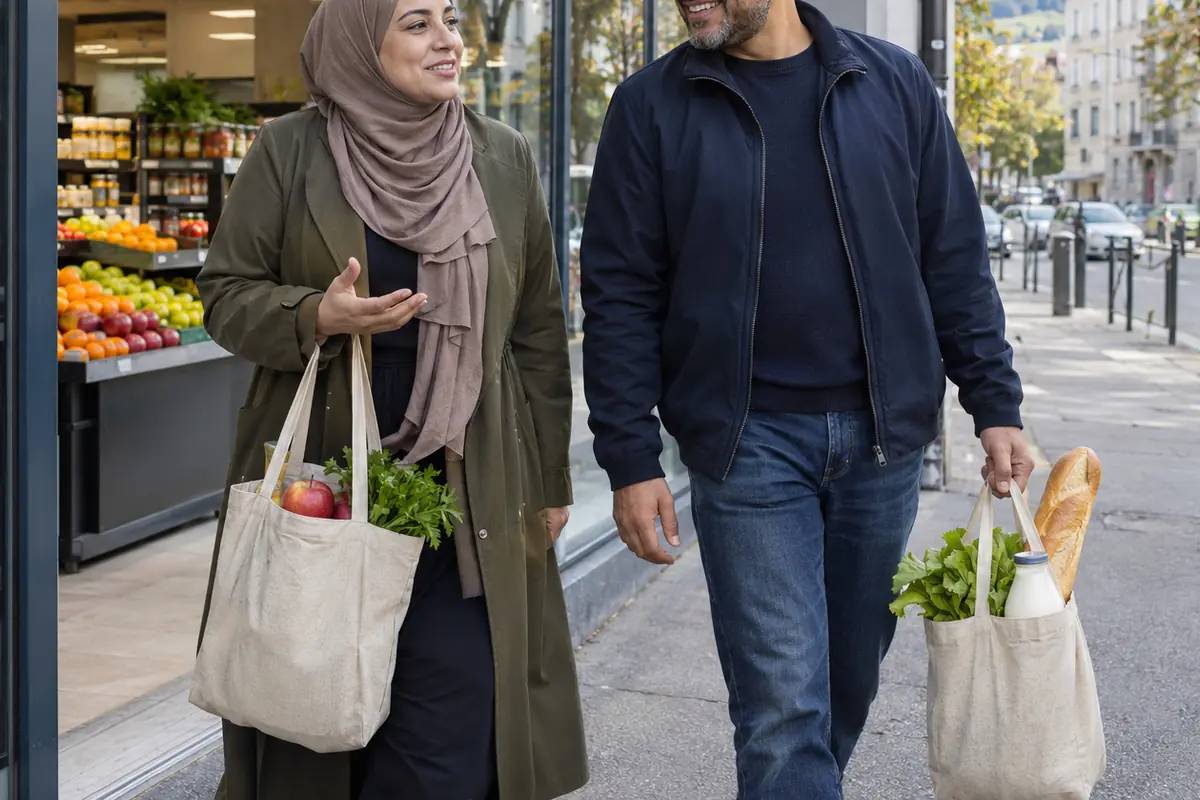
In Qatar, a halal supermarket is simply the everyday supermarket: meat, poultry and most packaged food sold on open shelves are expected to meet halal requirements, and pork is kept to a restricted, separate outlet for non-Muslim residents. The real differences lie elsewhere, in hypermarkets, neighbourhood groceries, cooperative-style stores and delivery apps. Residents compare prices and offers, look at origin and brand, and read labels for alcohol-based ingredients, while expatriate households also look for familiar products from South Asia, the Levant and the Philippines.
Halal as the default in Qatari retail
Qatar is a Muslim-majority country, and the food trade is organised around that fact. Meat and poultry on ordinary shelves are expected to be halal, imported cuts arrive with certificates from the exporting plants, and customers rarely need to ask the question that shoppers elsewhere must ask at every counter.
Pork products are not sold in regular supermarkets. Licensed outlets for non-Muslim residents handle them separately, which means a family buying groceries in a mainstream store can usually pick up items without checking each pack for pork derivatives.
Even so, attentive shoppers still read ingredient lists. Alcohol-based vanilla, gelatine of uncertain origin and animal rennet in cheese remain topics of discussion, and brand reputation often guides decisions as much as the shop's own statements.
Qatar imports most of its food, and that dependence shapes shelves. Poultry, rice, lentils and dairy arrive from many countries, so shoppers become familiar with brand names from Brazil, India, Turkey, Saudi Arabia and Europe, and they develop firm favourites among them.
Hypermarkets and halal supermarket stores in Doha
Doha has a strong hypermarket culture. Large stores such as Lulu, Carrefour, Megamart and Family Food Centre sit in malls and along ring roads, offering food, clothing and household goods under one roof and drawing families on weekends.
Smaller supermarkets and groceries, often called baqala, fill residential streets in Al Sadd, Najma, Old Airport and Mansoura. They stock rice, spices, bread, dairy and snacks for the specific community nearby, with Indian, Pakistani, Filipino and Arab products appearing in different measures.
Upmarket stores in The Pearl, West Bay and Lusail emphasise imported produce, organic ranges and gourmet items. For ordinary baskets, residents commonly use hypermarkets and neighbourhood stores, then visit specialist stores for particular ingredients.
Local brands, cooperatives and the home market
Qatar has a domestic food sector that supplies dairy, poultry, eggs, vegetables and bottled water, and local brands feature prominently on supermarket shelves. Shoppers often prefer them for freshness and because the supply chain is short.
Al Meera, a consumer goods company with stores across the country, is a familiar name in towns such as Al Wakrah, Al Khor and Umm Salal. Its branches resemble cooperative-style supermarkets and attract households who like a steady range of everyday goods.
Farms in Al Shamal and Al Khor deliver fresh vegetables and herbs to markets and stores. Weekly farm-produce stalls and community markets add another layer, appealing to buyers who value local produce and simple packaging.
Public awareness of food security has grown in recent years, and local farms, dairies and poultry producers advertise their role openly. Residents often mention that a short supply route means fresher eggs and milk on the table.
Souq Waqif, butchers and fresh-food markets
Traditional markets continue to matter in a modern city. Souq Waqif is known for spices, dates, nuts and traditional foods, while central markets and wholesale areas supply meat, fish and vegetables to restaurants and households.
Butchers sell lamb, goat, beef, camel and poultry, and many buyers choose a particular butcher out of habit and trust. Fresh lamb and goat feature heavily in family gatherings, so butchers prepare cuts to order and advise on cooking.
Fish arrives from local fishing boats and from regional suppliers. Markets in Doha and Al Khor offer hamour, kingfish and shrimp, and shoppers compare freshness by smell, eyes and firmness rather than by any label.
Seasonal rhythms touch the market too. Cooler months bring outdoor stalls, farm stands and busy weekend trips, while the summer heat pushes the shopping routine toward air-conditioned malls and delivery.
Comparing halal supermarket prices and offers
Price comparison in Qatar is helped by strong competition among large chains. Retailers publish weekly leaflets and app promotions, and shoppers compare unit prices on staples such as rice, cooking oil, chicken and dairy.
Some basic goods are subject to government price monitoring, which gives buyers a feeling of stability, although specific items and conditions are best checked with the shop. Promotions on imported goods, snacks and household items change often.
Residents also notice the difference between a promotional pack and a regular one. Many compare per-kilogramme or per-litre costs, and watch for short-dated products offered at a reduction before deciding whether the saving is real.
What shoppers check beyond the halal mark
With halal assumed, attention turns to other qualities. Residents look at country of origin, packing date, cold-chain care and brand reputation, especially for chilled and frozen poultry, which arrives from several continents.
Expatriate communities add their own preferences. Cooks from India, Pakistan, Bangladesh, Egypt, Syria and the Philippines search for particular cuts, flours, pulses and sauces, and stores respond with dedicated aisles and festival displays.
A halal supermarket in Qatar is therefore judged on variety, freshness and service as much as on certification. Buyers talk about which store has the best bakery, the freshest herbs or the most reliable fish counter.
Dietary diversity also plays a part. Vegetarian customers from South Asia, health-conscious families and athletes each look for different shelves, from pulses and paneer to protein products, and good stores arrange sections so that each group finds its items quickly.
Delivery apps and online halal supermarket shopping
Delivery is firmly established in Doha. Apps such as Talabat and Snoonu bring groceries from supermarkets and neighbourhood stores, and large chains also run their own online ordering channels.
Heat shapes the system, with chilled items packed in insulated bags and orders timed to avoid the middle of the day. Customers in villas and apartments order bulky items like water, rice and cooking oil so they need not carry them.
For an online halal supermarket basket, the main decision is the delivery slot and the substitution rule. Households that care about brands can usually ask the picker to refuse alternatives rather than accept a different item.
Corporate accommodation and labour housing receive grocery supplies through separate arrangements, with wholesalers delivering bulk rice, flour, oil and frozen chicken. These channels operate quietly, but they account for a large share of the country's food movement.
Ramadan, Eid and the rhythm of the year
Ramadan is the peak of the Qatari food calendar. Supermarkets rearrange shelves around dates, flour, vermicelli, lentils, juices and sweets, and special offers on staples appear in leaflets and apps before the month begins.
Evening shopping becomes the norm during the fasting month, with stores staying busy after the breaking of the fast. Families prepare for guests and iftar gatherings, and charitable food baskets are packed for those in need.
Eid brings meat, sweets and gifts into focus, while summer heat leads many residents to travel and shop less. Winter weekends fill Souq Waqif and the open-air markets, when the weather is gentle enough for long visits.
Family gatherings after Friday prayers often centre on large trays of rice and meat, so many households buy their main ingredients in one weekly trip and top up bread and vegetables at a nearby baqala.
Retailers and organisations to know
- Lulu Hypermarket — Large hypermarket chain in Doha and surrounding towns, strong on South Asian, Arab and Filipino products.
- Carrefour Qatar — Hypermarkets and supermarkets in major Doha malls with broad fresh and frozen ranges.
- Al Meera — Qatari consumer goods company with supermarkets in Doha and towns across the country.
- Family Food Centre — Qatari supermarket group known for neighbourhood branches and a wide grocery assortment.
- Monoprix Qatar — Supermarket brand present in several Doha locations, with international and specialty foods.
- Talabat Qatar — Delivery platform that takes grocery orders from partner supermarkets across Doha.
- Snoonu — Qatar-based delivery app covering groceries, fresh produce and household items.