In Quebec, a halal supermarket is a food store where meat, poultry and packaged goods are sold with halal assurance, often alongside Arab, Turkish, South Asian and West African products. The province's shops operate in French, so labels, flyers and counters follow Quebec language rules. Montreal, Laval, Gatineau and Quebec City each offer different mixes of mainstream chains, halal butchers and specialist grocers. Shoppers compare prices and offers through weekly flyers, check certificates shown at the butcher counter and read ingredient lists for pork derivatives and alcohol.
A French-speaking market with many origins
Quebec's Muslim population is largely urban and comes from a wide range of origins: Maghreb countries, Lebanon, Syria, Egypt, Pakistan, Bangladesh, Turkey, Senegal and many others. French is the shared language of shopping, which gives the grocery trade a flavour distinct from the rest of Canada.
That mix produces a varied food scene. A single neighbourhood may include a Moroccan grocer, a Lebanese bakery, a Pakistani butcher and an Afghan spice shop, each serving customers who search for familiar ingredients and trustworthy halal sourcing.
Regulations and consumer habits follow provincial rules. Labels appear in French, and products from elsewhere in Canada or from abroad often carry bilingual or multilingual packaging, which helps shoppers identify halal marks.
Students and newcomers form a distinct group. Universities in Montreal, Sherbrooke and Quebec City bring young Muslim residents who cook on modest budgets, and they look for affordable rice, lentils, chicken and frozen halal items close to campus or transit lines.
Montreal neighbourhoods and their halal shops
Montreal is the centre of the halal trade in the province. Côte-des-Neiges, Parc-Extension, Saint-Laurent, Ahuntsic and Montréal-Nord each contain clusters of halal butchers, grocery stores and restaurants that reflect local communities.
Jean-Talon Market and the Little Maghreb area around Jarry attract shoppers from across the island who want fresh produce, spices, dates, olives and specialty items. Markets and corner shops there blend with larger supermarkets.
Suburbs such as Laval, Brossard, Longueuil and Dollard-des-Ormeaux have grown in importance. Their strip malls and standalone stores serve families who prefer easy parking and bigger formats to dense urban streets.
Outside the island, Gatineau and the Outaouais region serve families who sometimes cross to Ottawa for specialist shops. Quebec City has a smaller but growing selection of halal grocers, mostly near universities and along main commercial roads.
Halal butchers and the role of the counter
In Quebec, the halal butcher is often the heart of a Muslim household's food routine. Customers buy lamb, beef, chicken and sometimes goat or veal, and they ask for specific cuts for stews, grills and holiday dishes.
Many butchers display halal certificates from certifying bodies and explain the slaughter process if asked. Customers value this openness, and a butcher who answers questions patiently often earns years of loyalty.
Some mainstream grocery stores now have halal sections or arrangements with halal suppliers. Whether a given branch offers this depends on the neighbourhood, so shoppers confirm at the counter instead of assuming.
Poultry, lamb and beef are the usual staples, but prepared items attract equal interest. Marinated skewers, ground meat blends, merguez-style sausages and ready-to-cook kebabs reflect North African and Levantine tastes and are prepared fresh in many shops.
Mainstream chains and cultural specialists
Provincial supermarket brands such as IGA, Metro, Maxi, Super C and Provigo carry everyday groceries in nearly every town. Their halal offer varies, but many branches in diverse districts stock halal poultry, frozen meats and specialty sauces.
Specialist grocery chains also play a major role. Adonis, a Lebanese-founded supermarket group, is known in the Montreal region for Middle Eastern foods, fresh bakery items and a halal meat counter in some locations.
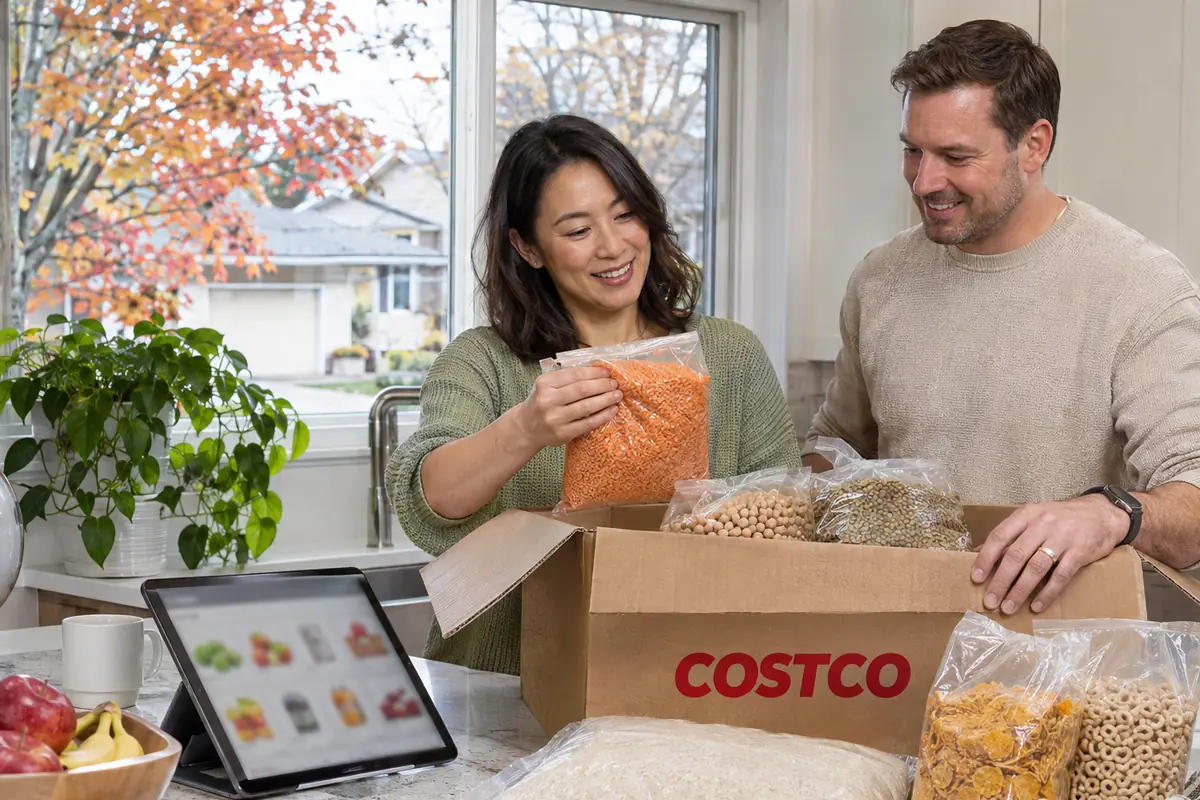
Warehouse clubs like Costco attract large families who buy bulk rice, oil, nuts and frozen goods. Each of these types serves a different need, so households often combine two or three in a typical month.
Independent and ethnic grocers fill the remaining gaps. They import olive oil, couscous, tea, spices and sweets in small lots, and shoppers appreciate being able to ask the owner about the origin of a product.
Comparing halal supermarket prices and offers
Flyers and apps are central to price comparison in Quebec. Chains publish weekly promotions, and many shoppers plan their basket around items that are on offer, buying chicken or rice in larger quantities when stores reduce their price.
Halal butchers rarely follow the same promotional rhythm. Their prices reflect cut, quality and supplier, and shoppers compare by visiting two or three shops and noting differences in freshness, trimming and service.
A fair comparison looks at the cost per kilogramme and considers how much waste a cut produces. Bone-in meat, whole chickens and family packs can be good for large households, while smaller pieces suit those who cook for one or two.
Loyalty programmes and points cards add another layer. Shoppers who consolidate purchases in one chain can accumulate rewards, though many keep a separate halal butcher outside the programme because quality and trust matter more than points.
Certification, labels and consumer protection
Halal certification in Canada is largely private, with several certifying bodies operating across provinces. Shoppers learn which logos they trust, and some look for specific organisations that match their community's preference.
Quebec's food authorities regulate labelling, hygiene and fraud in general, while halal claims are expected to be truthful and verifiable. A shopper who doubts a claim can ask the retailer for proof or contact consumer protection bodies.
Packaged products add further complexity. Gelatine in confectionery, rennet in cheese, shortening in baked goods and alcohol in flavourings are common concerns, and French-language ingredient lists make checking relatively straightforward.
Community groups and mosques frequently share lists of trusted suppliers, which complements any official mark and keeps newcomers informed.
Home delivery and online halal supermarket orders
Online grocery services are well developed in Montreal and its suburbs. Mainstream chains offer pickup and delivery, and apps such as Instacart bring items from partner stores to doorsteps within a short window.
For a halal supermarket order online, the key is whether the listing identifies halal meat clearly. Some specialist stores run their own websites and deliver across the metropolitan region, while others take orders by phone or message.
Winter makes delivery especially appealing. Snow, ice and low temperatures can turn a short shopping trip into a chore, and many families rely on weekly deliveries of heavy staples such as rice, flour, oil and canned goods.
Winter, Ramadan and the Quebec household calendar
Seasons shape Quebec shopping more than in most places. Long winters mean stockpiling of frozen meats, root vegetables and dry goods, while summer markets bring fresh corn, berries and herbs that many families freeze or preserve.
When Ramadan falls in winter, short days and cold evenings affect how people shop and cook. Dates, soups, lentils, flatbreads and sweets move quickly, and butchers prepare larger orders for families who host iftar gatherings.
Eid celebrations bring meat, pastries and gifts, and neighbourhood shops often open early for last-minute orders. Community associations and mosques sometimes organise food drives that connect local grocers with families who need support.
Spring and summer bring barbecue season, and demand for halal sausages, burgers, marinated chicken and lamb chops rises. Community picnics in parks and family gatherings at cottages encourage bulk purchases from butchers who can prepare large orders.
Retailers and organisations to know
- Adonis — Lebanese-founded supermarket group in the Montreal region, known for Middle Eastern foods and bakery.
- IGA — Quebec's widely present supermarket banner with local stores in cities and small towns.
- Metro — Major Quebec grocery chain with branches across Montreal and regional centres.
- Maxi — Discount-oriented supermarket banner popular with families who buy staples in volume.
- Super C — Quebec discount supermarket chain with many suburban branches.
- Costco Canada — Membership warehouse club suited to bulk buying of rice, oils, nuts and frozen goods.
- Instacart Canada — Delivery platform that brings groceries from partner supermarkets in Montreal and nearby suburbs.