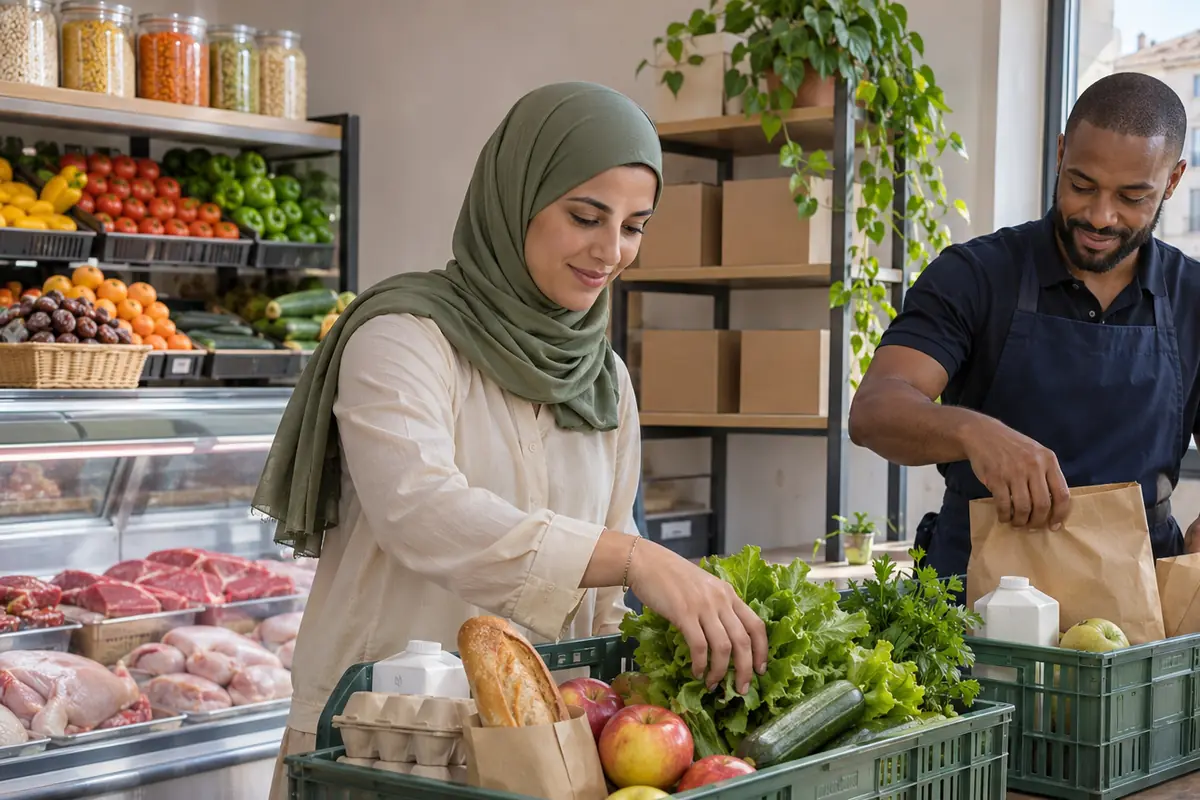
In New Orleans, Ramadan market food covers the dates, soups, breads, produce and halal meat that families gather for iftar and suhoor. A port city with a food culture built on seafood, rice and spice, it offers a lively mix of supermarkets, neighbourhood groceries and international stores across the city and the surrounding parishes. Opening hours differ from one store to another and frequently slide later into the night while the fast lasts, since every owner decides the timetable. Checking a store's current hours before leaving is the sensible habit for anyone planning a busy shopping trip.
Ramadan market food along the Gulf Coast
New Orleans cooks with rice, beans, okra, peppers and seafood, and that pantry overlaps neatly with many iftar traditions. Newcomers from other regions find familiar aisles in ordinary supermarkets, then add specialty items from international stores to complete their tables.
The metropolitan area stretches across several parishes, so a household may shop in one neighbourhood and pass through another on the way home. Commuting patterns, more than any central market, decide where people stop for groceries during the month.
Humid weather is the constant backdrop. Fresh produce spoils quickly, which pushes many families toward smaller, more frequent purchases of fruit, herbs and greens rather than a single large stock-up.
Neighbourhood character matters here. Streets with corner groceries, bakeries and takeaway counters let residents pick up a few items on foot, while larger stores along the highways serve those who prefer one full stop. Both patterns coexist throughout the month.
Supermarkets, groceries and halal butchers
Louisiana's own Rouses Markets is a familiar name, stocking a wide range of produce, seafood and bakery goods. National chains like Walmart, Costco and Whole Foods Market round out the options, giving shoppers a choice of price points and product lines.
For halal meat, buyers generally look to specialist butchers and international groceries, where certification is displayed or staff can explain the source. Some supermarkets carry packaged halal lines as well, usually marked with the name of a certifying body.
Middle Eastern, South Asian and Vietnamese grocers add important variety. Rice varieties, spices, flatbreads and canned beans from these shops are often easier to find in the same stop as halal cuts.
Seasonal produce stands and open-air stalls appear in various parts of the area. Shoppers often combine such stops with a supermarket visit, buying fruit and greens where they look freshest and heavier items elsewhere.
Dates, bread and what goes on the iftar table
Most families break the fast with a date, so buyers weigh up the different kinds by texture, sugar level and where they were grown. Boxed and loose dates appear in international stores, and some mainstream supermarkets stock them in a dedicated display as the month approaches.
After the dates come soup, bread and something fried. Lentils, chickpeas, vermicelli and tomatoes go into the pot, while flour, yeast and flatbread cover the baked goods. Yoghurt drinks, juice and milk fill the glass.
Seafood sometimes enters the iftar spread in this region. Fish and shrimp from local markets are popular, and shoppers generally check freshness and sourcing carefully, as with any perishable item bought in a warm climate.
Sweets close the evening for many families. Pastries, dried fruit and syrup-soaked desserts from bakeries are bought for the table, and some households prefer to prepare them at home, which means flour, sugar, nuts and butter appear on the shopping list too.
Suhoor planning in a warm climate
Pre-dawn meals lean on foods that sit well and keep their quality: oats, eggs, cheese, beans, bread and fruit. Heat makes dairy and eggs more sensitive, so storing them correctly after the trip home matters.
Households with night-shift workers, from hospitality to hospitals, often build their suhoor around prepared dishes made the evening before. A batch of rice or a pot of stew reheats quickly and saves effort in the early hours.
Water and electrolyte drinks are bought in quantity, as are fresh fruits with high water content. Melons, oranges and cucumbers are common choices, and shoppers typically look for them at roadside stands and farmers' stalls as well as in supermarkets.
Spices play a quiet role as well. Cumin, coriander, paprika and cinnamon are replenished before the month starts, since a depleted jar is easy to overlook until a recipe calls for it, and a second trip in the middle of the week adds avoidable effort.
Ramadan market opening hours, store by store
Opening hours are decided shop by shop. Large supermarkets usually maintain their regular schedules, while independent halal grocers and butchers sometimes remain open later to catch customers who shop after the evening meal.
A store's website, its posting in a maps service or a quick phone call is the best way to confirm. Schedules for ordinary weeks may not apply, and local events or holiday periods can alter them further.
Because no schedule is guaranteed, many shoppers visit in the afternoon for fresh meat and produce, leaving shelf-stable goods for a later trip. That rhythm avoids the sudden rush that often forms near sunset.
Crowds, traffic and local events
Traffic can be heavy near bridges and main corridors when people leave work around the same time. Parking lots at popular grocers fill early, so shoppers who travel after the workday build extra time into their errands.
Festivals, parades and sports events change the rhythm of the city, and a busy weekend can mean crowded stores and slower roads. Residents familiar with the calendar tend to shop earlier in the day or the week before big events.
Storm season adds another factor. When forecasts call for heavy rain or tropical weather, households stock water, bread and non-perishables ahead of time, so a well-supplied pantry becomes part of the month's planning.
Carpooling and shared errands are a practical response. Neighbours or relatives sometimes alternate shopping runs for the group, which reduces the number of cars on the road and spares individual households a trip through the busiest hours.
Delivery and ordering ahead
Grocery delivery and curbside pickup help families juggling long hours. Instacart and the apps of major supermarkets allow shoppers to prepare a list and choose a time slot, which cuts down on wasted trips in busy traffic.
Halal meat is not always offered online, so many households order staples, dairy and produce by app and visit a butcher for the rest. Others call a butcher ahead and arrange a pickup for larger orders.
When using delivery, reading substitution messages carefully is wise. A replaced brand might contain different ingredients or lack a certification mark, so confirming before accepting is a simple precaution.
Pickup windows are worth reserving early, because popular slots near the evening fill quickly.
Checking labels and halal certification
Shoppers check packages for a halal certification symbol, scan ingredient lists for pork-derived gelatin or alcohol, and ask staff about fresh meat sourcing when nothing is labelled. These checks take little time and give peace of mind.
Louisiana buyers unsure about a new brand can consult the online registers kept by the Islamic Food and Nutrition Council of America, which name approved products and firms. That information helps when a brand is new or a label seems unclear.
Many buyers keep their basket simple when in doubt. Fresh fruit, vegetables, dates, plain dairy and dried legumes form a dependable base for the month's meals and rarely raise questions.
Retailers and organisations to know
- Rouses Markets — Louisiana-based supermarket chain with broad produce, seafood and bakery departments for everyday Ramadan shopping.
- Whole Foods Market — Natural and organic grocer offering fresh produce, dairy and packaged goods, with some halal-friendly options.
- Walmart Supercenter — National retailer with large grocery sections covering rice, flour, canned goods and frozen foods.
- Costco Wholesale — Membership warehouse where families buy dates, rice, oil and bulk staples for the month.
- Aldi — Discount supermarket chain for basics such as eggs, milk, bread and fresh fruit.
- Instacart — Delivery and pickup platform linking shoppers to local supermarkets and groceries.
- Islamic Food and Nutrition Council of America — Halal certification body whose mark appears on many packaged foods sold across the country.