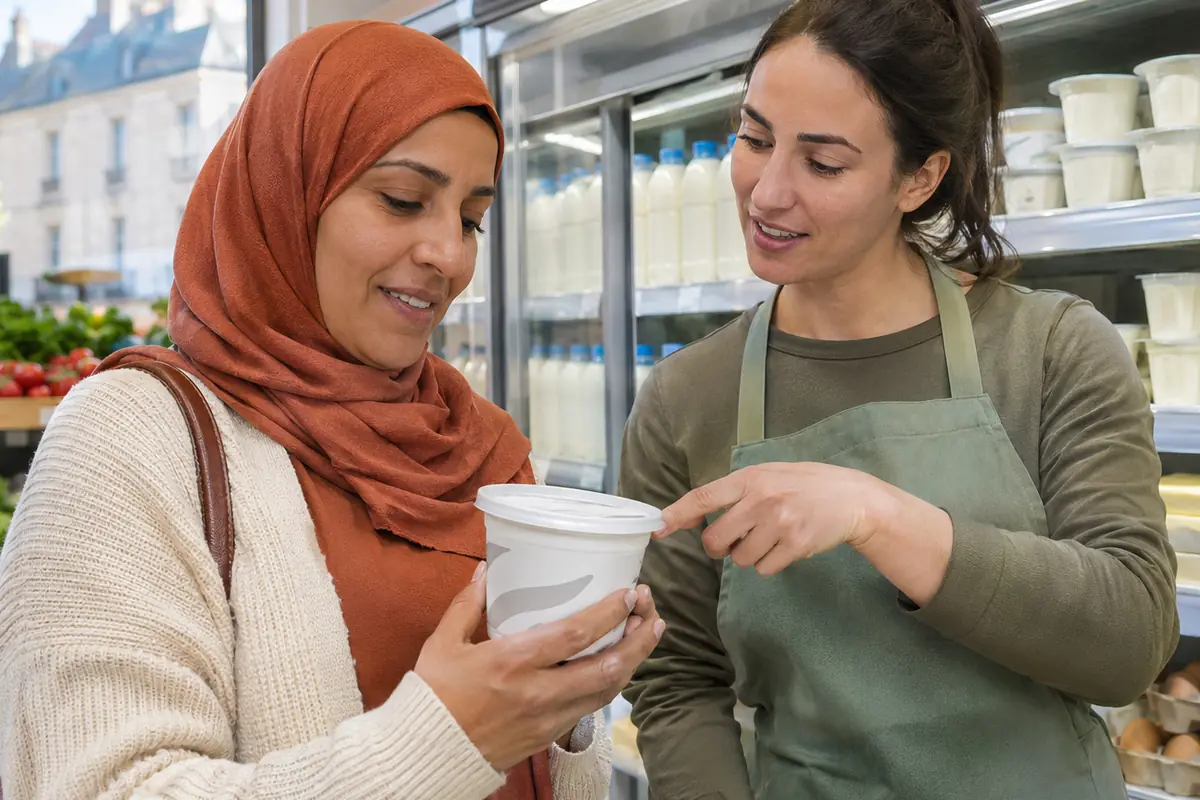
Within the UK, Milton Keynes is a planned new town, and that layout defines how a halal supermarket fits into daily life here. Grid roads link housing estates to retail parks and large superstores, while older centres such as Bletchley and Wolverton keep traditional high streets with independent grocers. Residents of South Asian, African and Eastern European origin buy halal groceries like fresh meat, rice, pulses, spices and frozen lines, and watch for weekly offers, clear certification marks and reliable stock before choosing where to park and shop.
A new town built around the car and the grid
Milton Keynes was designed in the late sixties with wide boulevards, roundabouts and self-contained districts separated by green belts. Shopping follows the same logic. Instead of one dense high street, residents rely on large superstores, retail parks and neighbourhood parades that sit a short drive from each estate.
That structure favours the weekly or fortnightly big shop. Families load boot space with rice sacks, frozen meat, tinned goods and cooking oil, then top up fresh items at local parades. Planning the list before leaving home pays off, because a forgotten item can mean another cross-grid trip.
Cycle routes known as redways and frequent bus links offer alternatives for those without cars. Small halal grocers close to housing clusters therefore matter more than a first glance suggests, particularly for older residents, students and households that shop little and often.
Halal supermarket choices near the centre
Central Milton Keynes concentrates its retail around the covered shopping centre and the surrounding boulevards. Big-name chains in and around the grid-road centre generally carry halal-labelled poultry and lamb at the fresh counter, next to dedicated spice shelves and bags of basmati. Selection varies, so a quick look at shelf labels is worthwhile.
Specialist halal shops tend to sit a little further out, in the older districts and neighbourhood centres. They offer wider ranges of South Asian, Arab and African ingredients, cut-to-order meat and loose spices, which the big retailers rarely match in depth.
Office workers and students sometimes pick up lunch items and snacks near the central stations and the university campus. Ready meals, samosas, fresh bread and fruit are popular, and shops that mark halal status clearly on packaging earn repeat visits.
Parking is rarely a problem in the centre, which makes loading heavy bags simple, but opening hours and range differ between stores. Walking the aisle once and noting where the halal section sits helps later visits go faster, particularly for newcomers settling into the area.
Bletchley, Fenny Stratford and Wolverton shops
Bletchley is the best-known area for diverse food retail in the borough. Its high street and nearby parades hold grocers, butchers and bakeries that supply households from many backgrounds, and the old railway-town character gives the area a busy, lived-in feel.
Fenny Stratford sits on the canal and offers a compact mix of independent shops. Residents walk or cycle there for fresh vegetables, bread and meat, and the proximity to the Grand Union towpath makes a shopping errand double as a short outing.
Wolverton, the former railway works town on the northern side, keeps a traditional high street with independent traders. Smaller grocers there adapt to what neighbours ask for, and polite requests for particular halal products often lead to a new line appearing within a few weeks.
Halal groceries for family kitchens
A typical basket of halal groceries in Milton Keynes mixes everyday essentials with cultural staples. Lamb shoulder, chicken thighs and minced beef share the fridge with yoghurt, paneer and eggs, while shelves carry flour, lentils, canned chickpeas, tea and dates for fasting months and family meals.
Frozen sections save time for busy households. Pastry sheets, parathas, fish fillets, mixed vegetables and ready-to-fry snacks allow quick dinners, and they keep well for large families who cook in batches. Checking the certificate on frozen meat remains sensible, because brands differ.
Fresh produce stands out in the better-run stores. Coriander, mint, okra, green chillies, plantain, cassava and yams reflect the town's mix of communities. Buying loose rather than prepacked often allows smaller quantities and a closer look at freshness before paying.
How to read halal supermarket offers
Offers in a halal supermarket come in several forms, among them multibuy deals on dry goods, reduced fresh items near closing time and seasonal promotions around Ramadan and Eid. Reading the small print on each tag shows whether a deal applies to a specific brand, a pack size or a loyalty card.
Promotions rotate often in Milton Keynes stores, so an offer noticed last week could well have expired. Shoppers who keep a short list of staple items and glance at shelf tags tend to spot genuine savings faster than those who chase every sticker.
Bulk buying looks attractive, yet storage space matters. Large rice sacks and cartons of oil only make sense when cupboards, freezers and budgets can handle them. Sharing a case with a neighbour or relative is a practical middle route that many local households already use.
Seasonal fresh produce deserves a glance as well. Mangoes, dates, pomegranates and citrus appear at different points of the year, and stores often reduce them when stock is plentiful, which gives a natural chance to try something new at a modest outlay.
Delivery, click-and-collect and local butchers
Home delivery from the national chains serves most local postcodes, and a number of them let customers put halal meat into the same online order as their other shopping. Click-and-collect points at large stores suit people who want to avoid queues, and car boots make loading easy in the wide car parks.
Independent butchers add a personal service that supermarkets cannot copy. A counter assistant can mince, dice, joint or marinate to order, and regular customers often learn which day fresh deliveries arrive. Asking about the supplier and certification body is welcomed at reputable shops.
Wholesale outlets in the surrounding area supply caterers, takeaway owners and community groups. Registered customers can buy cases of staples, and larger households occasionally pool orders for celebrations. Opening hours and entry rules differ, so a call before travelling saves a wasted drive.
Certification marks and careful label reading
Across Britain, halal certification is handled by private bodies rather than a single state authority, and several of them appear on packs sold in Milton Keynes. The logo of the Halal Food Authority or the Halal Monitoring Committee is a common sight, and buyers decide which bodies they trust.
Ingredient lists deserve attention even on products that appear plainly vegetarian. Gelatine, alcohol-based flavourings and certain colourings can hide in confectionery, desserts and sauces. Looking for pork derivatives and alcohol before reaching the till is a routine step for many households.
Counter staff can usually explain how animals are sourced and slaughtered when asked. Shoppers who want extra reassurance may request copies of supplier details, and well-run shops treat such questions as part of normal service rather than an inconvenience.
Festival seasons and community shopping rhythms
Demand climbs sharply before Ramadan and the two Eid festivals. Shops stock extra dates, dried fruit, lamb, samosa sheets and sweets, and queues form at butchers on the last days before celebrations. Placing orders ahead is a sensible habit that local families have long adopted.
Community events and mosque gatherings across the borough often rely on bulk purchases from local suppliers. Organisers compare quotes, check certification and arrange collection at quiet hours, which keeps costs manageable and ensures food arrives fresh.
Outside festival periods, shopping settles into steady routines. Weekend visits to larger stores, midweek top-ups at local parades and occasional trips to specialist shops give households a balanced pattern that keeps the kitchen stocked without waste.
Retailers and organisations to know
- Tesco — Large-format stores around Milton Keynes with halal-labelled fresh meat and international food aisles, plus delivery.
- Asda — Superstore chain with halal options in selected branches and home delivery to local postcodes.
- Sainsbury's — National supermarket offering halal-labelled meat in many stores and online grocery slots.
- Booker — Cash and carry wholesaler supplying independent shops, caterers and community groups with bulk staples.
- Ocado — Online grocer delivering to many Milton Keynes addresses, with halal-labelled products in its meat range.
- Halal Food Authority — Certification body whose mark appears on halal meat and food products sold across the borough.