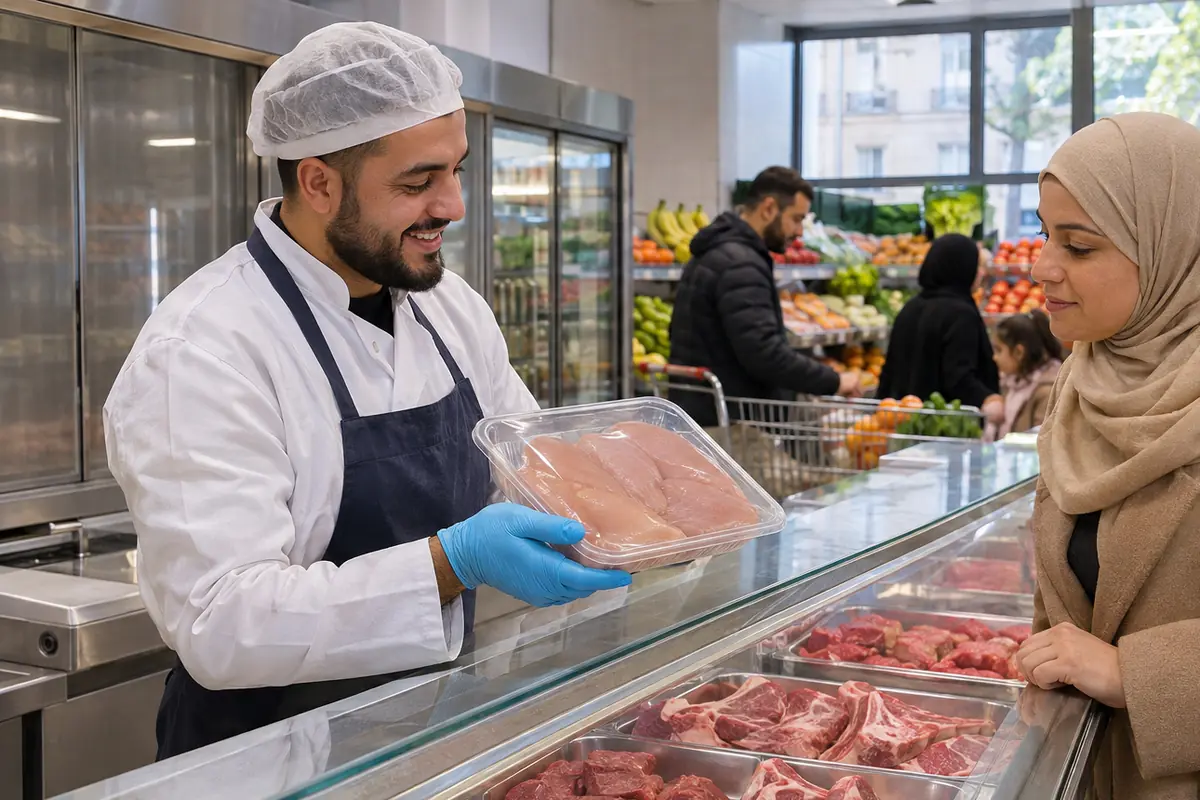
In Toronto, Ramadan market food and opening hours set the rhythm of each evening in a metropolis where Muslim households with roots in South Asia, the Middle East, East Africa and the Caribbean buy their supplies in the same districts. Families look for dates, halal meat, fresh vegetables, soup ingredients, flatbreads and sweets for iftar and suhoor, moving between neighbourhood groceries, large supermarkets and historic markets. Because shops adapt their trading times to the fast and crowds build before sunset, opening hours are best confirmed locally with each store.
Ramadan market shopping across a very diverse city
The city is frequently called among the most culturally mixed on earth, and the month's grocery runs mirror that blend. A Pakistani family in Scarborough, a Somali household in Rexdale and a Lebanese family near Yonge Street may all buy different breads, sweets and spices, yet they cross paths at the same halal counters.
This variety means that no single street defines the month. Some shoppers prefer the dense strips of independent grocers, where owners know regular customers and set aside favourite items, while others rely on big-box stores with a halal section close to home and easy parking.
Planning is usually split in two. A larger trip for rice, lentils, flour, oil and frozen goods happens ahead of time, and shorter visits for fresh herbs, bread and fruit take place close to evening, when everything feels freshest.
Community life shapes the rhythm too. Mosques, student associations and neighbourhood groups organise shared meals, and their volunteers often buy produce, rice and meat in volume from nearby wholesalers, which adds to the evening activity around busy food streets and plazas.
Ramadan market food for the iftar table: dates, soup and sweets
Almost every trolley holds dates, and specialist grocers as well as big supermarkets across Toronto carry kinds from the Gulf, the Maghreb and the Levant. Buyers often compare origin, softness and packaging, and many pick up a few varieties to share with guests.
Alongside dates come the ingredients for soups and stews: lentils, chickpeas, vermicelli, tomatoes, onions and fresh coriander. South Asian households add ingredients for pakoras, samosas and chutneys, while Arab and Turkish families look for olives, cheese, flatbread and syrupy pastries.
Sweet shops and bakeries become busy as the month progresses. Jalebi, baklava, dates stuffed with nuts and cakes for gatherings are popular, and it is wise to order larger boxes in advance when preparing for community meals or visits.
Halal meat counters and poultry before sunset
Halal butchers are among the busiest places in the city during Ramadan. Customers choose lamb, goat, beef and chicken for curries, grills, kebabs and slow-cooked dishes, and many ask the butcher to cut or mince meat to suit a specific recipe.
Shoppers usually check the halal sign, the certification displayed at the counter and the source of the meat, since practices differ from one shop to another. Asking staff about slaughter method and certifying body is normal and expected.
Because queues grow in the late afternoon, many households collect meat earlier in the day and keep it chilled until cooking. Stores with in-house butchery often prepare marinated trays, which saves time before the fast is broken.
Ramadan opening hours that bend around the fast
Opening hours across the city shift during Ramadan, and there is no single pattern. A number of halal grocers start the day later and close very late, whereas the big national supermarkets usually hold to their normal pattern and simply add evening staff.
Late-night trading matters for suhoor shoppers, who may need bread, yogurt, eggs or fruit before dawn. A few stores in the busiest districts extend their evening service, but this varies by owner and by branch, and posted notices at the door are the most reliable guide.
Given such variety across the city's many neighbourhoods, ringing the shop or glancing at its online listing before heading out saves trouble. Holiday weeks near the end of the month can change schedules again, so confirming locally avoids a wasted trip.
Neighbourhood groceries from Thorncliffe to Scarborough
Several districts have built their identity around food shopping. Thorncliffe Park and Flemingdon Park have many halal grocers and bakeries within walking distance, while Scarborough offers wide plazas where South Asian, Arab and Caribbean shops sit next to one another.
Along Danforth Avenue and Gerrard Street East, the Little India area is known for spices, sweets, snacks and frozen foods. Further west, Weston and Rexdale provide Somali, Arab and Afghan groceries with bakeries and butcher counters. Fresh sweets, pickled vegetables and ready-made pastry sheets are also easy to find in these districts.
Because Toronto winters can still be cold when Ramadan falls in the colder months, shoppers often prefer plazas with parking and covered entrances. Indoor food courts and large stores with long aisles make the evening rush more comfortable.
Historic markets and fresh produce
The St. Lawrence Market in the old town is the city's best-known food hall, famous for meat, fish, cheese, bakery items and produce. Shoppers use it for fresh ingredients, though halal availability varies by stall and is worth asking about directly.
Kensington Market, with its small shops and lively streets, attracts shoppers who like to wander through spices, fruit stands and specialty stores. It suits slow weekend trips more than hurried weekday evenings, when streets fill with after-work crowds.
Many families also use farmers' markets and produce shops in the suburbs for herbs, tomatoes, cucumbers and citrus. Fruit platters and fresh juices are common at iftar, so quality and freshness of produce weigh heavily on choices.
Supermarkets, cash and carry and online delivery
Large retailers such as Costco, Walmart, Loblaws and No Frills draw families who buy in bulk for the month. Many branches carry a halal selection, frozen samosas, dates and rice sacks, although the range depends on the neighbourhood and on the season.
Specialist chains and wholesalers focused on Asian and halal foods supply restaurants, mosques and caterers, and they are useful for large gatherings. Buying rice, cooking oil and spices in larger formats can ease the budget for community meals.
Delivery apps and grocery services have become part of the routine for busy households. Orders placed in the morning can arrive before sunset, though delivery windows and halal selection should be checked with each platform and substitutions reviewed carefully.
For convenience, many also use pickup counters, where an order prepared in advance is collected at the door. This option reduces time inside crowded aisles, though availability of halal items and the pickup arrangement differ from one retailer and one branch to the next.
Quiet times, crowds and practical habits
Late afternoon is the peak, as many shoppers leave work and head straight to the store. Parking lots fill, queues stretch at the meat counter and popular items can sell out, so early morning or midday visits are often calmer.
Weekends before the start of the month are especially busy, since families stock up on staples and stock their freezers. Planning a list with essentials such as dates, milk, flour, oil, spices and meat helps avoid repeated trips.
Carrying reusable bags, a cooler for meat and some patience goes a long way. Planning small, regular stops usually makes the experience smoother than attempting everything on a single crowded evening.
Retailers and organisations to know
- St. Lawrence Market — Historic food hall in the old town with butchers, bakers and produce stalls, useful for fresh ingredients before iftar.
- T&T Supermarket — Large Asian supermarket chain with a broad range of vegetables, rice, noodles and groceries for family cooking.
- Iqbal Foods — Well-known South Asian halal grocer and butcher serving the Toronto area with meat, spices and ready foods.
- Costco Canada — Warehouse club where families buy rice, oil, dates and frozen goods in bulk for the month.
- Loblaws — National supermarket chain with many branches in the city, offering produce, bakery items and a halal range in selected stores.
- Instacart Canada — Grocery delivery platform that links shoppers with local stores for same-day orders before the evening meal.
- Halal Monitoring Authority — Canadian halal certification body whose label is often checked by shoppers on meat and processed foods.