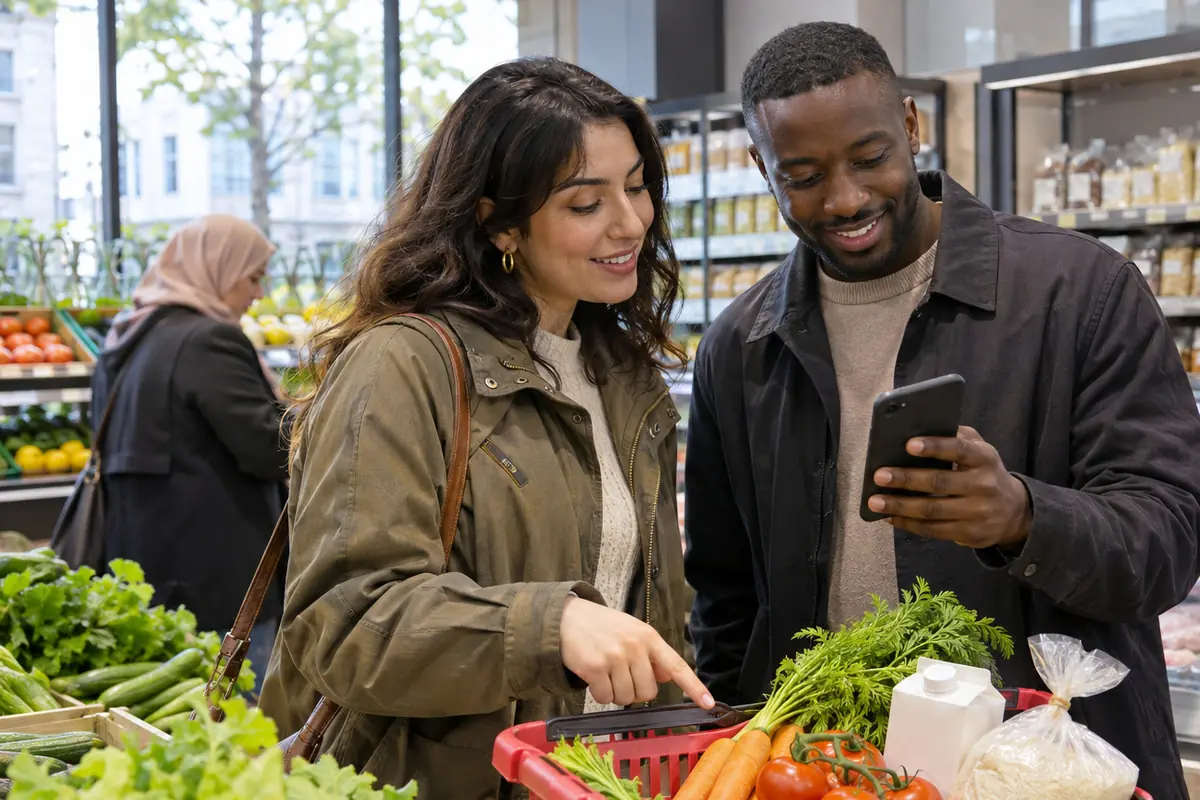
In Ottawa, Ramadan market food refers to the groceries families buy for iftar and suhoor: dates, milk, lentils, bread, fruit, spices and halal meat. As the national capital, the city draws residents from Arab, Somali, South Asian and many other backgrounds, and its shopping scene reflects that mix, from big-box supermarkets to independent halal grocers and butchers. Opening hours depend on each business and often lengthen into the evening during the month, so confirming a shop's current schedule before travelling is a simple way to avoid disappointment.
Ramadan market food in the national capital
Ottawa is a government town, a university town and a border city all at once, and that blend produces diverse shopping habits. Civil servants, students and families from many countries all look for the same essentials as the month approaches.
Neighbourhoods across the region, from the older core to the suburbs, each have their own cluster of grocers. Residents tend to know one or two favourites for halal meat and another for fresh vegetables, then combine them with a trip to a large chain for pantry goods.
The Ottawa River separates the city from Gatineau, and some households cross it for shopping or family visits. That regional movement makes the whole capital area feel like a single, connected market.
Language shapes the experience too. Signs and staff in many shops work in English, French, Arabic, Somali or Urdu, so shoppers often find someone who can explain a cut of meat or a certification label in the language they prefer.
Supermarkets, independent grocers and halal butchers
Chains with wide Canadian presence, such as No Frills, Metro, Farm Boy, Walmart Canada and Costco, supply everyday staples. Their produce, dairy and bakery departments cover most of what an iftar table needs, with international aisles for rice, legumes and spices.
Halal meat is more reliably found at specialist butchers and independent grocers, where certification is typically posted and staff can explain how the animals were slaughtered. Some larger stores also stock packaged halal products from certified suppliers.
Middle Eastern, East African and South Asian shops add variety in flatbreads, pastries, pickles and sweets. Many carry both fresh and frozen items, which suits households that prepare dishes ahead for the week.
Bakeries preparing flatbreads, sesame rings and sweet pastries are another fixture. Many households buy bread fresh each day rather than storing it, so a nearby bakery often decides which neighbourhood store becomes the regular stop.
The ByWard Market and open-air produce
The ByWard Market district is one of the best-known shopping areas in Ottawa, with produce vendors, specialty food shops and bakeries. During the month, shoppers sometimes include it in their route for fruit, vegetables and prepared foods.
Open-air stalls operate according to the season, and what is available changes with the weather. Visitors should expect different offerings from one month to the next and should confirm which vendors are open before making a special trip.
Parking and congestion in the market area can be demanding at busy times. Many people therefore arrive earlier in the day or use public transit, keeping the heavier purchases for stores with easier access.
Specialty shops around the district sell cheeses, spices and imported goods that complement a standard supermarket trip.
Dates, soups and the iftar basket
Dates head almost every list, bought in boxes or by weight and compared by variety and softness. Ottawa's international grocers usually stock a range of types, and some mainstream supermarkets add displays as the month begins.
Soup is the usual next course, so lentils, vermicelli, tomatoes, onions, carrots and fresh herbs fill baskets. Bread, flour and yeast cover baked items, while milk, yoghurt and juice complete the first drinks of the evening.
In a cold climate, hearty dishes are especially appreciated. Stews, rice with meat and baked pastries often lead the menu, so shoppers pay attention to cuts of meat that cook slowly and to root vegetables that keep well.
Fruit completes the table. Oranges, apples, bananas and grapes are the usual picks, and imported tropical varieties appear in international stores. Because fresh fruit is expensive to waste, shoppers generally buy in smaller portions and replenish every few days.
Ramadan opening hours and how stores adapt
Each shop sets its own schedule. Large chains usually keep to regular opening hours, while independent halal grocers and butchers may stay open later to serve people who shop after the evening meal or before the pre-dawn one.
Shoppers rely on a store's website, a listing in a maps application or a phone call to confirm. Information that applies in ordinary weeks might not reflect special arrangements, and holiday periods can also alter the schedule.
The simplest approach is to plan fresh purchases for earlier in the day and keep a stock of non-perishables at home. That way, an unexpected closure or a long line does not disrupt the evening meal.
Announcements on shop doors and social media pages are common ways for owners to share temporary changes. Checking those channels shortly before a visit is more dependable than relying on memory of last year's arrangements.
Suhoor staples and winter planning
Early-morning meals focus on foods that provide lasting energy, such as oats, eggs, beans, cheese, olives and bread. Many families prepare components the night before, so the meal needs only a quick reheating.
Snow, ice and cold temperatures can complicate errands. Many households buy in larger quantities to limit trips on bad days, relying on a freezer for bread, meat and prepared dishes.
When the month falls in milder weather, shoppers turn more to salads, fruit and cold drinks. The pattern of purchases then shifts, but the habit of planning ahead remains.
Dried goods help with consistency. Rice, lentils, chickpeas, tea and pasta rarely spoil, so keeping a reserve in the cupboard means a single missed grocery run never becomes a problem for the early meal.
Avoiding the evening rush
Late afternoon is the busiest period. People finishing work stop for groceries, lines lengthen, and popular items like bread, dates and fresh meat can run low. Stores near transit hubs and main roads feel it first.
Mid-morning and early afternoon offer calmer conditions, with restocked shelves and shorter queues. Shoppers with flexible schedules, including students and remote workers, often take advantage of those windows.
Some families split tasks, with one person buying fresh items earlier and another collecting the rest later. That division of labour reduces time spent in lines and eases the pressure of a tight schedule.
Parking is another consideration. Stores with large lots feel easier at busy hours, while downtown shops reward those who arrive on foot or by bus, and many families choose accordingly.
Delivery, pickup and checking labels
Grocery apps and curbside pickup are widely used in Ottawa, particularly in winter. Supermarkets and delivery services let shoppers assemble a basket in advance and choose a window that fits around work and prayer.
Halal meat is not always available through those channels, so many households order dry goods and produce online and visit a butcher in person. A quick call to the butcher helps secure larger cuts for gatherings.
Labels deserve attention. Careful buyers hunt for a trusted halal logo on the pack, read the ingredient list for pork-based additives or alcohol, and put a question to the counter staff whenever the meat carries no visible mark. Certifiers such as ISNA Canada Halal publish information on the products they certify.
Retailers and organisations to know
- No Frills — Discount supermarket chain with locations in the Ottawa area for staples, produce and dairy.
- Metro — Supermarket chain known for broad produce, bakery and international aisles used for iftar basics.
- Farm Boy — Ontario-based grocer popular in Ottawa for fresh produce, prepared foods and bakery items.
- Walmart Canada — National retailer with large grocery sections covering rice, flour, oils, canned goods and frozen foods.
- Costco Canada — Membership warehouse where families buy dates, rice and bulk staples for the month.
- ByWard Market — Historic market district in central Ottawa with produce vendors, bakeries and specialty food shops.
- ISNA Canada Halal Certification — Canadian halal certification service whose mark appears on a variety of packaged foods.