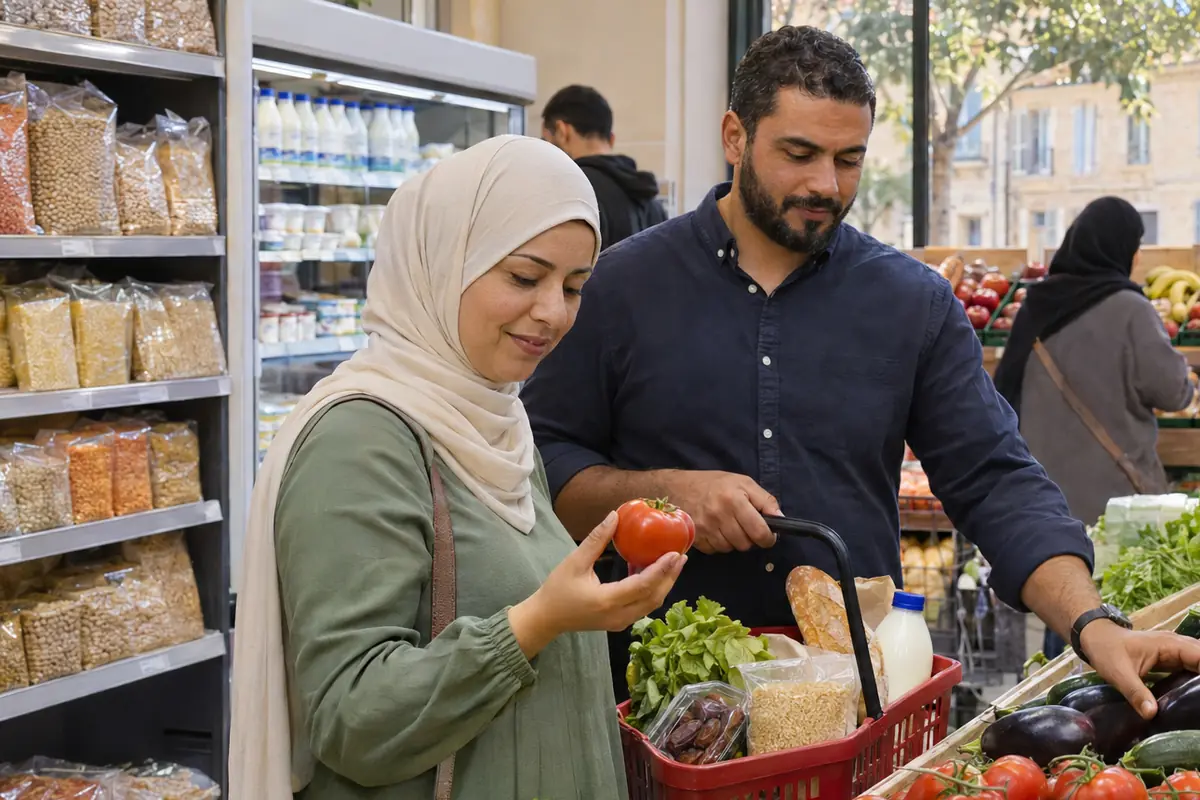
In Bridgeport, Connecticut, Ramadan market food and opening hours reflect a harbour city of neighbourhood shopping streets, family-run grocers and busy supermarket plazas. Residents with Bosnian, Pakistani, Arab, Caribbean, West African and Latino roots buy halal meat, dates, flatbread and spices from a mix of independent shops, bakeries and national chains, often within a short drive of home. Because stores often adjust their evening routines during the fasting month, shoppers plan trips around iftar, suhoor, commuting and family schedules and the weather.
Shopping in a Connecticut harbour city during Ramadan
Bridgeport sits on Long Island Sound and works as a regional hub for Fairfield County. Many residents move between neighbourhoods, nearby towns such as Stratford, Trumbull and Fairfield, and larger retail corridors along the highway, so a fasting-month shopping plan usually involves several short stops rather than one long trip. Short hops between the East Side, the South End and nearby towns are typical.
The city's cultural mix shapes the pantry. A household with Bosnian roots may look for filo pastry, yoghurt and smoked meats, a Pakistani family for basmati rice, lentils and masala blends, and an Arab family for tahini, olives and flatbread. Grocers respond by stocking many of these goods side by side. Specialist shops often become informal meeting places, where recipes and tips are exchanged.
Car ownership is common, but families without a vehicle rely on buses, rides from relatives or delivery. Because evenings can be hectic, many people prepare a shopping list the night before and keep a few shelf-stable items at home, which reduces last-minute pressure when sunset approaches.
Ramadan market style shopping on local streets
Unlike larger cities, Bridgeport does not depend on one giant night market. Instead, the fasting-month atmosphere appears in neighbourhood shops, bakeries and small grocers where customers greet each other and choose dates, sweets and fresh bread together before heading home. That quieter, community-driven feel suits families who like familiar faces behind the counter.
Seasonal farm stands and community markets in the wider region add fresh fruit and vegetables when weather permits. Shoppers often combine a visit to such a stall with a stop at a halal butcher, creating a local circuit that feels like a modest market of its own. This habit keeps neighbourhood business lively through the month.
Community centres and mosques in the area sometimes host shared meals and charity food drives during the month. Those who want to donate or take part usually ask the organisers directly, and many shoppers buy extra rice, oil, flour, dates and tinned beans to give to neighbours in need.
Supermarkets, plazas and national chains
Stop & Shop, ShopRite and Aldi are familiar names across Connecticut, and Walmart and Target serve people who prefer one-stop errands. These chains cover dairy, produce, rice, pulses, oils, juices and baking goods, and several carry international aisles that include spices, canned chickpeas and flatbread. Larger stores are generally easier for filling a whole weekly list in one visit.
For fasting-month goods, branch selection differs. Some stores place dates, nuts and juices on seasonal displays, while others rely on regular shelves. Shoppers who want a particular brand or a halal-labelled product commonly call the store first or check the retailer's app before driving over. Seasonal displays can disappear quickly once popular items sell.
Because the shopping plazas around Bridgeport can be busy near closing hours, many customers prefer late mornings or early afternoons. Parking is generally easier then, queues are shorter and fresh deliveries are often on the shelves, which gives a more relaxed start to the cooking day.
Halal meat, bakeries and specialist grocers
Halal butchers and grocers in southern Connecticut serve a wide community, and Bridgeport residents often travel between towns to reach a trusted shop. Chicken, lamb, goat and beef are in constant demand, and buyers value the option of fresh cuts, minced meat and marinated portions prepared to order. Early orders for weekends and gatherings are common, because popular cuts can sell out.
Bakeries supply pita, naan, lavash, rolls and sweet pastries that many families like to place on the table at iftar. Ethnic grocers fill the gaps with spices, dried herbs, rose water, tea, rice varieties, chutneys, pickles and canned fava beans that general supermarkets often keep in limited quantities. Frozen halal products are useful backups for hectic weeks.
Reading labels is a normal part of the routine. Shoppers check for a halal mark, ask about sourcing where there is no label, and avoid items listing pork derivatives or alcohol. Owners are generally happy to explain, and long-standing customers usually settle on a few reliable suppliers.
Dates, soups, fruit and everyday iftar items
A handful of dates and a glass of water or milk begin the meal in many homes. Stores stock several types, from soft, caramel-like varieties to firmer, drier ones, and shoppers choose by taste, freshness and packaging size. Dried apricots, figs and nuts commonly appear beside them. Many households also keep a jar of pickled vegetables ready, a small touch that brightens the table.
Soups and light starters follow, with lentils, vegetables, chicken, rice and fresh herbs filling baskets. Salads of cucumber, tomato, lettuce and parsley are common, and lemons, olive oil and garlic travel with them. Fruit platters featuring melon, grapes, oranges and bananas round out the table. A squeeze of lemon and a handful of fresh herbs finish many bowls.
For the main dish, families vary widely. Bosnian burek, Pakistani biryani, Arab rice with lamb, Caribbean stews and West African jollof all appear, so the shopping list shifts from household to household. Sweet treats and tea come at the end and are usually purchased fresh from bakeries.
Ramadan food and opening hours across shops and chains
Opening hours for Bridgeport stores depend on the business. Supermarkets tend to publish details on their websites and apps, while small grocers and butchers may change timing informally. Some stay open later into the evening, others close earlier, so shoppers should confirm before travelling. Hours at independent shops are therefore worth checking each week.
A quick phone call, a look at the store's social media page or a visit to the window notice often answers the question. Community groups also share updates in group chats, and friends or relatives who live nearby can pass along information about busy periods or temporary closures. Honest answers from staff save everyone time.
Weather matters in Connecticut. Heavy rain, snow or ice can slow traffic and affect store schedules, and some shops close early when conditions are poor. Planning for backups, such as a stocked pantry and a freezer with prepared meals, keeps the evening meal on track whatever the weather.
Delivery, pickup and planning ahead along the coast
Online grocery services have grown across Fairfield County, and Instacart plus store-run pickup and delivery programmes cover many Bridgeport addresses. Shoppers can order staples, produce and dairy in advance, adding notes about preferred brands and substitutions that respect halal requirements. Delivery fees and minimums vary, so shoppers read the checkout details carefully.
Some independent halal sellers accept orders by phone or message and deliver within a local area. This is especially useful for people working long shifts, caring for relatives or travelling without a car, and it allows them to collect fresh meat shortly before cooking. Clear delivery instructions help drivers find the correct door.
Planning ahead remains the best strategy. Many families batch-cook soups, marinate meat, prepare dough and freeze portions on days off, then buy only fresh items during the week. This steady pattern lowers stress, supports community meals and leaves more evening time for prayer, reading and rest.
Retailers and organisations to know
- Stop & Shop — Regional supermarket chain with Connecticut branches and online ordering, covering produce, dairy, rice and baking goods for iftar cooking.
- ShopRite — Supermarket brand with stores in the Connecticut area, known for broad grocery ranges and international food aisles.
- Aldi USA — Discount grocery chain with Connecticut locations, popular for basic staples, nuts, dried fruit and fresh produce.
- Walmart — National retailer offering groceries and household goods in one place, with online pickup and delivery in the Bridgeport area.
- Instacart — Delivery platform that lets Fairfield County households order from supermarkets and specialty grocers to their door.
- Connecticut Department of Agriculture farmers' markets — State directory of seasonal farmers' markets where local fruit and vegetables can be found when the season allows.
- Islamic Food and Nutrition Council of America — Halal certification organisation whose marks appear on many packaged foods sold across the United States.