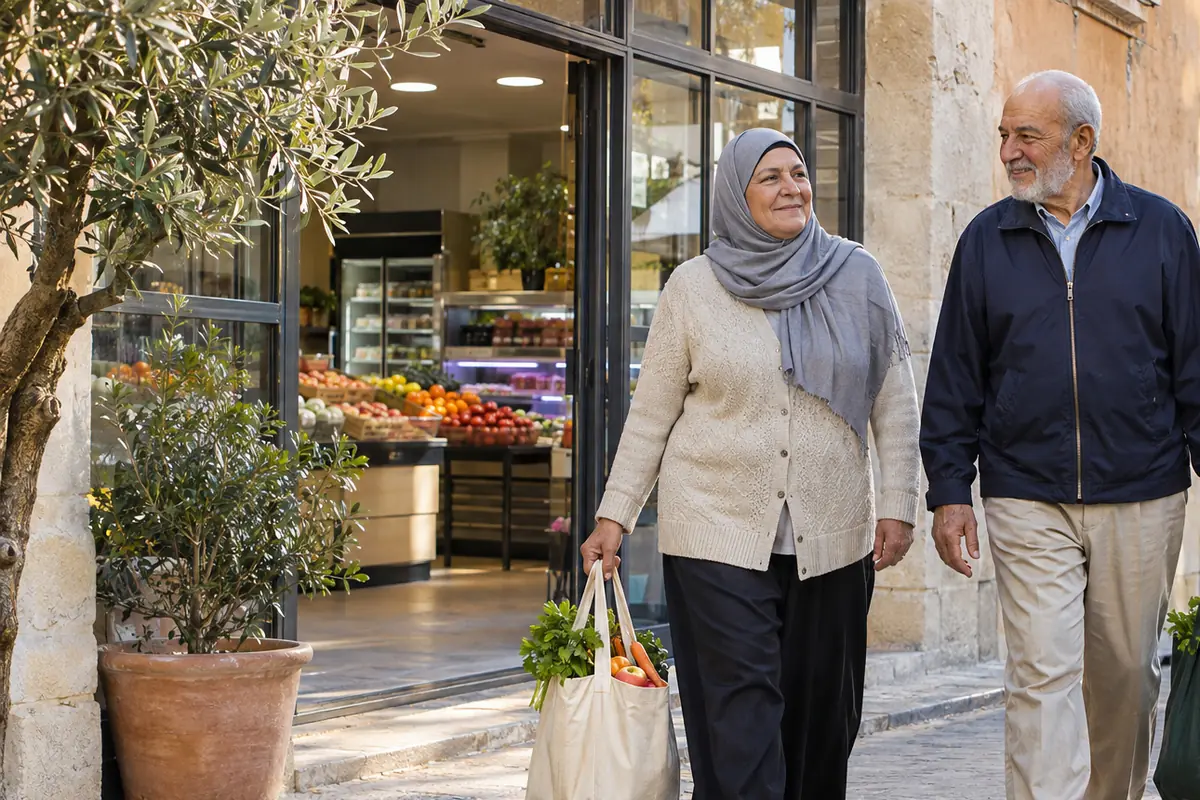
In Vancouver, Ramadan market food and opening hours shape how Muslim households stock up for iftar and suhoor. Shopping spreads across Richmond, Burnaby, Surrey and the city itself, where halal butchers, South Asian and Middle Eastern grocers, Asian supermarkets and national chains all serve the month. Dates, lentils, flour, yogurt, fresh herbs, fruit and halal meat dominate baskets, while store schedules often stretch or shift in the evening. Exact times differ by shop and change, so checking directly with each store before a trip remains the sensible habit.
Ramadan market food across a spread-out metro area
Greater Vancouver is a patchwork of town centres rather than a single downtown market, and Ramadan shopping follows that layout. Families in Surrey tend to buy close to home, while many in Richmond and Burnaby combine one large weekly trip with quick evening top-ups. The result is a month where several smaller errands replace a single big outing.
Because the region sits between mountains and sea, rain is a regular companion on shopping days and parking is often tight near popular stores. Many shoppers therefore plan loads ahead, choosing places with covered entrances or large lots. Fresh fruit and vegetables are usually the first items to run low once the evening rush begins.
Another local feature is the mix of cultures behind the shopping lists. Pakistani, Indian, Arab, Somali, Iranian and Southeast Asian families all cook differently, so a single shop rarely meets every need. Shoppers often visit one grocer for spices, another for bread and a third for fresh fish or vegetables.
Neighbourhood habits matter as well. Some households prefer a trusted butcher they have used for years, whereas others lean on a large supermarket for convenience. Both routes are common, and the choice often comes down to which shop sits closest to the mosque, workplace or school run.
Halal butchers and meat counters
Meat sits at the centre of many iftar tables, so halal butchers see their busiest stretch during the month. Independent shops in Surrey, East Vancouver and Richmond cut to order, offering goat, lamb, beef and chicken in the formats cooks request for curries, grills and stews.
Shoppers usually look for a clear halal statement, the certifying body named in the store, and a butcher willing to explain the slaughter method. Larger supermarkets also run counters with halal-labelled packs, although the range is typically narrower than at a dedicated shop and varies from one branch to the next.
Ordering ahead is common practice before the weekend and before the final stretch of the month, when demand for whole animals and bulk cuts rises. A quick call or visit helps secure the cut wanted, and store policies on advance orders differ, so confirming directly with the counter avoids disappointment.
Dates, dairy and pantry staples for iftar
Dates are the first item most households reach for, and shelves fill with varieties from across the Middle East, North Africa and the Gulf. People weigh texture, size and provenance, and plenty of them take home several kinds so visitors have a choice. Boxed and loose options sit side by side in specialist grocers.
Alongside dates come yogurt, milk, rice, chickpeas, lentils, vermicelli and cooking oil, the building blocks of soups, savoury pastries and sweet desserts. South Asian groceries stock spices, gram flour and ready mixes for pakoras and samosas, while Middle Eastern shops offer fresh flatbreads, olives and tahini.
Fresh fruit also plays a large role, from melons and citrus to berries sold by regional growers. Cooks add them to evening fruit plates, smoothies and chilled drinks served at the end of the fast, and shoppers often favour stalls and greengrocers where ripeness can be judged by eye.
Suhoor shopping leans toward slower-digesting foods such as oats, eggs, bread and fruit. Many families buy these in bulk early in the month and refresh only perishable items later, which keeps evening trips short and leaves more time for prayer and the meal itself.
Asian supermarkets and large chains
Vancouver's large Asian supermarkets are a distinctive part of the picture, since they carry fresh produce, rice, noodles, tofu and seafood in a very wide selection. Muslim shoppers use them for vegetables, herbs, fruit and pantry goods, while checking labels carefully on any prepared or meat-based items.
National chains such as Save-On-Foods, Real Canadian Superstore and Costco round out the options, offering halal-labelled lines in some branches and generous stock of produce, dairy and bakery items. Their reach across suburbs makes them practical for families without a specialist grocer nearby.
Range differs between stores of the same banner, so regular customers learn which branch tends to carry the products they want. Staff can usually say whether a halal item is delivered regularly, and shelf labels or supplier information help confirm what is actually on offer.
Opening hours during Ramadan
Store schedules often adapt to the rhythm of the month, with some halal shops staying open later into the evening and others closing briefly around sunset so staff can break their fast. These patterns are informal and vary by owner, which is why no single rule applies across the region.
Large chains generally keep their usual pattern, though individual branches may extend service or adjust staffing. Pharmacies, bakeries and delivery counters sometimes follow different rhythms again. Anyone planning a late purchase benefits from checking a shop's posted notice, its website or its social page beforehand.
The hours just before sunset are typically the busiest, with queues at butchers and bakeries, so many shoppers go earlier in the day or after the meal. Public holidays and the festival at month's end can change schedules once more, and local confirmation remains the reliable route.
Online orders and delivery
Home delivery now belongs to the Ramadan routine of many households, because congested roads and wet weather around the coast turn errands into a chore. Grocery platforms and store apps allow families to order staples, produce and halal-labelled meat for a delivery window, freeing the late afternoon for cooking and prayer.
Shoppers still read product descriptions and labels closely, since substitutions can occur when an item is out of stock. For halal meat, many prefer to deal directly with a butcher who offers local delivery or pickup, which keeps the certification and the source easy to confirm.
Pre-ordered boxes of dates, sweets and dry goods are popular as gifts for neighbours and relatives. Ordering earlier in the month helps avoid the late rush, and checking delivery cut-off times with the provider avoids surprises when the evening meal is close.
Community meals, mosques and shared giving
Mosques and community centres across Metro Vancouver host shared iftars, and these gatherings influence what people buy. Volunteers collect rice, dates, water, fruit and cooking oil in quantity, often sourcing from wholesalers and local grocers who offer support during the month.
Many families also set aside part of their shopping for food donations, buying extra staples for neighbours or for local food programs. Grocers frequently display collection boxes near the checkout, and shoppers add a few items without changing their main routine.
This culture of sharing explains why certain items vanish from shelves quickly near weekends. Planning ahead, splitting purchases across a couple of stores and staying flexible on brands usually means finding what is needed without long searches or last-minute stress.
Retailers and organisations to know
- Iqbal Foods — Halal meat, South Asian groceries and frozen foods sold through its Lower Mainland stores.
- T&T Supermarket — Large Asian supermarket chain with wide produce, rice and pantry ranges used by many households.
- Save-On-Foods — Western Canadian grocery chain with branches across the region, including bakery and produce departments.
- Real Canadian Superstore — Big-box grocer offering produce, dairy and general goods under one roof.
- Costco Wholesale — Membership warehouse for bulk rice, dates, oils, dairy and fruit.
- Instacart — Delivery platform linking shoppers with local grocery stores for scheduled drop-offs.