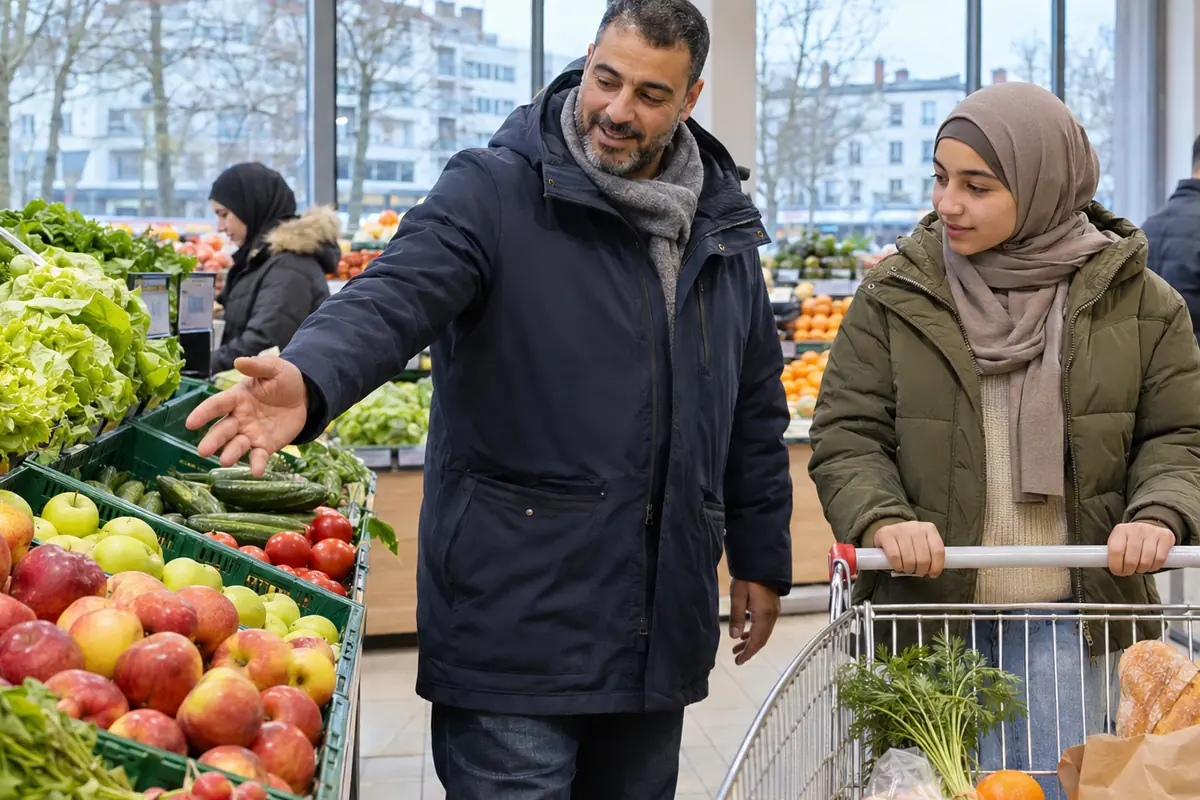
For the UK, Norwich offers a smaller but resourceful halal supermarket landscape, shaped by its medieval centre, a long-established market and a student population around the University of East Anglia. Independent grocers, butchers and national chains share the city with farm shops from the surrounding Norfolk countryside. In Norwich, people searching for halal groceries want lamb, chicken, rice, spices and frozen items at fair prices, so they compare offers across shops and favour counters that give clear certification details and straight answers about where the meat comes from.
A compact city with a spread-out hinterland
Norwich is the main commercial centre for a largely rural county, so shoppers arrive from market towns and villages as well as from city streets. This wide catchment keeps a handful of well-stocked stores busy, and people often combine a halal errand with appointments, study or work in town.
The Muslim population is smaller than in the big northern and midland cities, yet it is varied, with families of Bangladeshi, Pakistani, Arab, Kurdish, Turkish and African background, plus many international students. That variety explains why shelves carry such a broad mix of spices, grains and fresh produce in a modest footprint.
Distance matters in Norfolk. Households outside the ring road often plan one larger trip and stock the freezer, while city dwellers walk to nearby shops several times a week. Both habits shape the way halal stores arrange stock, from bulk packs to small convenience sizes.
Market stalls, lanes and the Magdalen Street area
The open-air market beside the Guildhall and City Hall is one of the oldest in England, and its covered rows of stalls sell vegetables, fruit, spices and fish. Halal shoppers use it for fresh herbs, loose produce and ingredients that supermarkets sometimes pack too heavily.
North of the river, Magdalen Street and the streets around Anglia Square hold small grocers, butchers and takeaways serving varied communities. Opening hours, ranges and counter service differ from shop to shop, so asking the owner what arrives on which day often reveals the best time to visit.
The Lanes and the streets near the cathedral lean towards cafés, delicatessens and independent boutiques. They are less useful for a full halal shop, but handy for ready snacks, bread and vegetarian ingredients that suit halal diets without any need for special certification.
Halal supermarket shopping beyond the centre
Large supermarkets on the edges of Norwich, near Sprowston, Hellesdon and Longwater, offer parking and extended hours. Many of them stock halal-labelled chicken and lamb alongside South Asian pantry ranges, which makes them practical for a weekly shop when the family has a car.
Retail parks bring wholesale-style options and bulk packs within reach. Households that cook a lot can buy rice, oil, flour and frozen items in larger formats, then store them in chest freezers. Reading the date on each pack is wise before committing to quantity.
Convenience stores in residential areas like Earlham, Lakenham and the Golden Triangle fill gaps with milk, bread, eggs and snacks. Few are fully halal, so label checking becomes part of the routine, particularly for sweets, ready meals and anything containing gelatine.
Public transport in the city is built around buses from the central stops, which makes it workable to reach shops across several districts. Carrying shopping on a bus is easiest with a wheeled bag, a trick many regular shoppers have adopted.
Halal groceries, meat counters and local Norfolk produce
Norfolk is a farming county, and local lamb, beef and poultry reach city butchers through regional suppliers. Halal butchers in Norwich work with certified abattoirs or slaughter arrangements, and customers can ask which supplier provides the day's lamb and how the animals were handled.
Fresh vegetables from the surrounding fields, such as carrots, potatoes, onions, cabbage and seasonal greens, feature in many family dishes. Mixed with imported spices and lentils from specialist shops, they create meals that blend Norfolk freshness with traditional recipes from far away.
Fish also has a place, thanks to the nearby coast. Shoppers buy fresh or frozen white fish, mackerel and prawns for curries and grills, and check that nothing has been processed with alcohol-based marinades or non-halal sauces before taking it home.
Comparing prices and offers without the guesswork
A fair price comparison begins with a short list of staples that appear in every shop, such as chicken, rice, cooking oil and flour. Writing down the cost per kilo or litre on a phone makes patterns clear after just a couple of visits and avoids relying on memory.
Offers on perishable items often appear late in the day, when shops clear fresh stock. Bakery goods, vegetables and prepared dishes may carry reduced stickers, and shoppers who live nearby can pick them up on the way home for a quick, sensible bargain.
Student households around the university tend to share staples and rotate shopping duties. Splitting large packs of rice and frozen chicken between flatmates cuts waste and spreads cost, a habit that suits the smaller bedrooms and shared kitchens typical of the area.
Students, visitors and seasonal rhythms
The University of East Anglia and the city's other colleges bring thousands of international students each year. Many arrive in September searching for familiar ingredients, and their requests influence what local halal grocers decide to stock, from specific rice varieties to regional sauces.
During Ramadan, evening shopping becomes lively. Dates, fruit, samosa pastry, lentils and lamb sell quickly, and shops extend their hours in the run-up to Eid. Planning a list early helps avoid the scramble that follows the first sighting of the moon.
Visitors who stay in the city for a weekend usually rely on a nearby convenience shop or one of the larger chain stores. Having a rough idea of where the halal shelf sits in each saves time and avoids wandering through aisles with a trolley.
Delivery, online grocers and meat boxes
Home delivery fills the gaps left by distance. Major supermarkets cover Norwich postcodes with booked slots, and several offer halal meat lines that can be added to the basket. Checking the product description for certification details is better than assuming the whole range is halal.
Specialist online sellers deliver frozen halal meat boxes, spice sets and pantry staples across eastern England. They suit people living far from a dedicated shop, though delivery fees, cold-chain packaging and minimum spends deserve a careful look before committing to a first order.
Neighbours sometimes arrange collective orders, which brings carriage costs down. Community groups and mosques occasionally organise bulk purchases for festivals, offering a practical way to buy certified meat without long journeys.
Certification and what to ask at the counter
In Britain, halal certification comes from independent bodies rather than from a government register, and the names on the pack are worth recognising. Packs on sale around Norfolk often carry a logo from one of the national certifiers, and checking which one is printed on the label helps buyers match a product to their own standards.
At a butcher's counter, three questions go a long way: who supplies the meat, who certifies the slaughter, and how long ago it was prepared. Honest shops answer without fuss, and their willingness to do so tells a customer a good deal about the business.
For packaged goods, the ingredient list is the final check. Pork gelatine, alcohol and certain additives can hide in desserts, sauces and snacks, so reading the back of the pack, rather than relying on the front, remains the surest habit for careful shoppers.
Retailers and organisations to know
- Tesco — Large stores on the edge of Norwich with halal-labelled meat and a wide international food range, plus delivery.
- Asda — Superstore chain serving Norwich suburbs with halal options in selected branches and online slots.
- Sainsbury's — National supermarket with city and out-of-town stores carrying halal-labelled meat and spice ranges.
- Booker — Cash and carry wholesaler used by independent grocers, caterers and student societies for bulk buying.
- Halal Food Authority — UK certification body whose logo appears on halal meat and food products stocked in Norfolk.
- Halal Monitoring Committee — Certification organisation that supervises halal supply chains and is recognised on many packs.