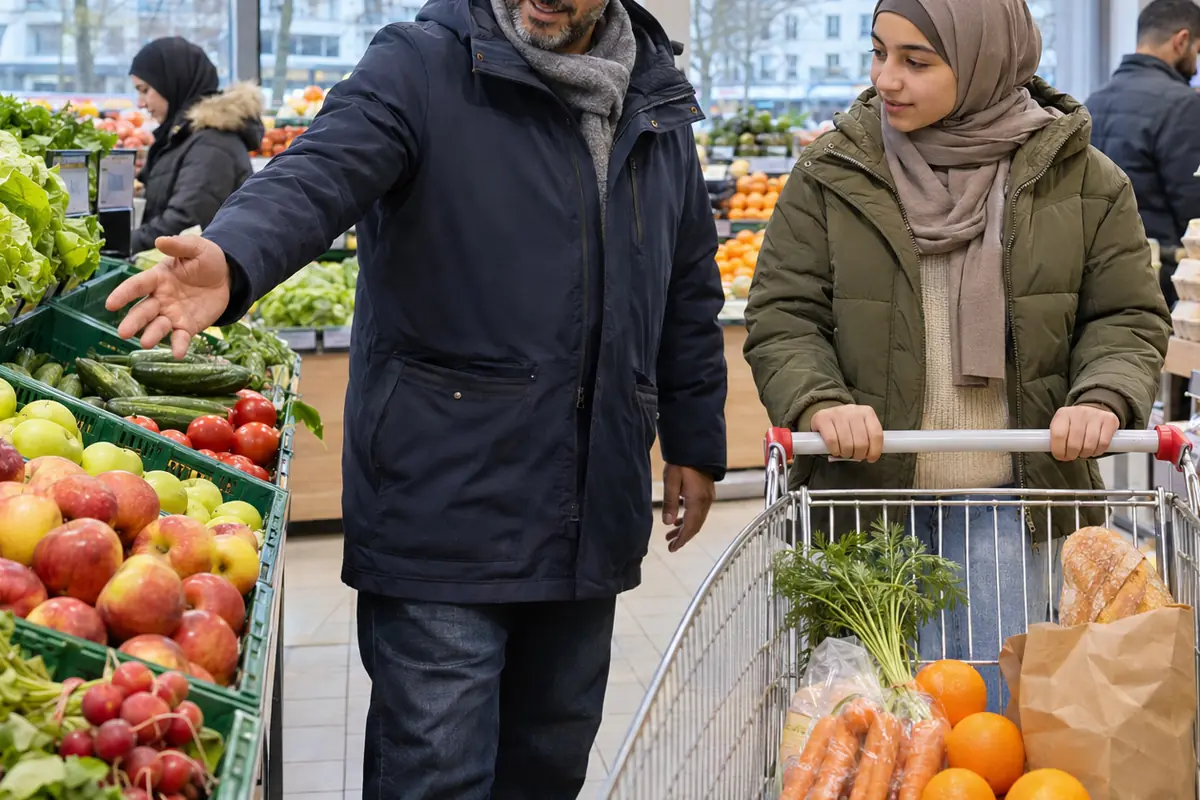
In Panama, a halal supermarket is less a separate store type than a way of shopping inside a market built on imports. The Muslim community is small, so halal meat and certified groceries are found in a handful of specialist shops, in some larger chains and through importers linked to the Colon Free Zone. Buyers compare prices and offers across these sources, check certification marks on imported packs and ask sellers about slaughter, since local labelling rules for halal are not as visible as in countries with large Muslim populations.
A small community inside a trading country
Panama is a crossroads economy, and its food shops reflect centuries of passing cargo. Muslim families of Lebanese, Palestinian, Syrian and South Asian origin have lived in the capital and in Colon for generations, and they have shaped a modest but steady halal market.
Because the community is small, halal choices rarely appear as a full aisle in a mainstream store. Instead, buyers learn which importer, butcher or grocer can be trusted, and they pass that knowledge through mosques, family networks and messaging groups.
This is why a halal supermarket search in Panama often leads to a mix of general chains and specialist outlets. Patience and a little planning matter more here than in cities where every neighbourhood has a dedicated store.
Seasonal visitors and canal-related workers add another layer of demand. Port employees, seafarers and business travellers passing through Panama City often ask for halal meals and groceries, which keeps a few specialist suppliers active even in a modest market.
Panama City districts and where shoppers look
In Panama City, older commercial areas such as Calidonia, Bella Vista and El Cangrejo hold small import shops, Arab-owned groceries and bakeries. Newer districts like Costa del Este and Punta Pacifica favour modern supermarkets and malls with broad international ranges.
Families in San Miguelito and the eastern suburbs often rely on large-format stores and open markets for fresh produce, then travel to central districts for specialist meat. The traffic and distances of the metropolitan area push many buyers to plan one large trip.
The Mercado de Mariscos and the central produce markets supply fish, fruit and vegetables, which are naturally suitable for a halal diet. Meat and processed products are where verification becomes the real task.
David and the western province of Chiriqui, far from the capital, depend on regional supermarkets and weekly deliveries. Muslim residents there frequently buy staples locally and travel or order ahead when they need certified meat.
Colon, the Free Zone and imported foods
The Colon Free Zone is one of the largest re-export hubs in the Americas, and it shapes what appears on Panamanian shelves. Importers bring in rice, lentils, canned foods, sweets and spices from Asia, the Middle East and Europe, some of them carrying halal certificates from their countries of origin.
Wholesalers in the zone usually sell to businesses, but their products reach consumers through neighbourhood groceries and larger chains. Shoppers who know a trusted importer often follow a brand rather than a store.
Colon city itself has its own community history, with Arab and Indian merchants active since the days of the railway and canal construction. Its shops remain an informal reference point for imported ingredients that are harder to find elsewhere.
Choosing a halal supermarket among the national chains
Panama's main supermarket chains, including Super 99, Riba Smith and Supermercados Rey, stock a broad range of imported goods and have butchery sections. None of them is known as a dedicated halal retailer, so buyers treat them as places for pantry items and produce.
Warehouse-style clubs such as PriceSmart attract families who buy in volume. Large packs of rice, oil, flour, frozen poultry and dairy suit big households, but halal status of meat still has to be confirmed with the supplier or the label.
A halal supermarket comparison therefore works on two levels. One level compares everyday basket costs between chains, and the other compares the reliability of halal sources for meat, which can lead to a separate butcher or a specialist importer.
Comparing prices and offers sensibly
Panama uses the US dollar, which makes comparison straightforward for visitors, but supermarket offers still differ by store and by week. Shoppers read the unit price on the shelf tag and ignore pack-size tricks that make a larger carton look like a bargain.
Imported halal products often cost more than local equivalents because freight and import handling add to the shelf tag. Buyers sometimes accept that difference for meat and sweets, and economise on local fruit, vegetables, rice and eggs.
Weekly promotions, member discounts and bulk deals exist, but terms change quickly. Confirming an offer at the branch or in the retailer's own app is more dependable than relying on a flyer remembered from last month.
Fresh produce from the highlands of Chiriqui, including vegetables, coffee and citrus, often costs less than imported equivalents. Shoppers who build their baskets around local produce and add imported halal items sparingly find the comparison easier to manage.
Verifying halal supermarket meat and certification
With few dedicated outlets, verification is a personal process. Buyers ask who slaughters the animal, whether the method follows Islamic practice and whether the seller can show a certificate from a recognised Islamic body.
Imported frozen meat, particularly poultry and beef from Brazil, often carries a halal certificate from the exporting plant, and Panamanian shoppers learn to recognise those marks. A label in Spanish, English or Arabic that names the certifier is more helpful than a vague claim.
For biscuits, desserts and sauces, the ingredient list is the usual guide. Gelatine, animal shortening, alcohol-based extracts and carmine colouring are the points careful shoppers look for before they buy.
Delivery, apps and online halal supermarket options
Delivery platforms such as PedidosYa and Rappi operate in Panama City and bring groceries from chain supermarkets to the door. They suit busy households, particularly in areas where traffic makes shopping trips long.
For a halal supermarket order, the app listing rarely mentions slaughter. Customers usually choose packaged goods with a visible certification mark and avoid fresh meat unless the seller has confirmed its source by phone or message.
Some Arab and Indian grocers take orders through social media and deliver within the city. These small services depend on personal trust, and word of mouth remains the strongest recommendation they can receive.
Cash on delivery remains common, though card payment is widespread among larger chains. Households that order regularly tend to keep a short list of products they trust, which reduces the risk of surprises when substitutions are offered by the picker.
Climate, festivals and the household routine
Panama's tropical heat shapes how people shop. Fresh meat and dairy are bought in smaller quantities, cool bags travel in the car and the rainy season encourages shoppers to combine errands into one dry trip.
Ramadan and the two Eids bring a short surge in demand for dates, lentils, flour, nuts and sweets, and importers stock accordingly. Families without a nearby mosque community often gather orders together to share transport and reduce cost.
Outside festivals, many households mix traditional Panamanian staples such as rice, plantain, beans and chicken with imported Middle Eastern or South Asian ingredients. That blend defines the local halal pantry more than any single store.
Retailers and organisations to know
- Super 99 — Panamanian supermarket chain with many branches and a broad range of imported groceries and fresh produce.
- Riba Smith — Upmarket chain known for imported specialities and international food ranges in Panama City.
- Supermercados Rey — Long-standing national chain with stores across the country, useful for staples and produce.
- PriceSmart Panama — Membership warehouse club suited to bulk purchases of rice, oil, flour and frozen foods.
- PedidosYa — Delivery app carrying supermarket and grocery orders in Panama City.
- Islamic Center of Panama — Community centre serving Muslim residents and a common point of contact for halal food guidance.