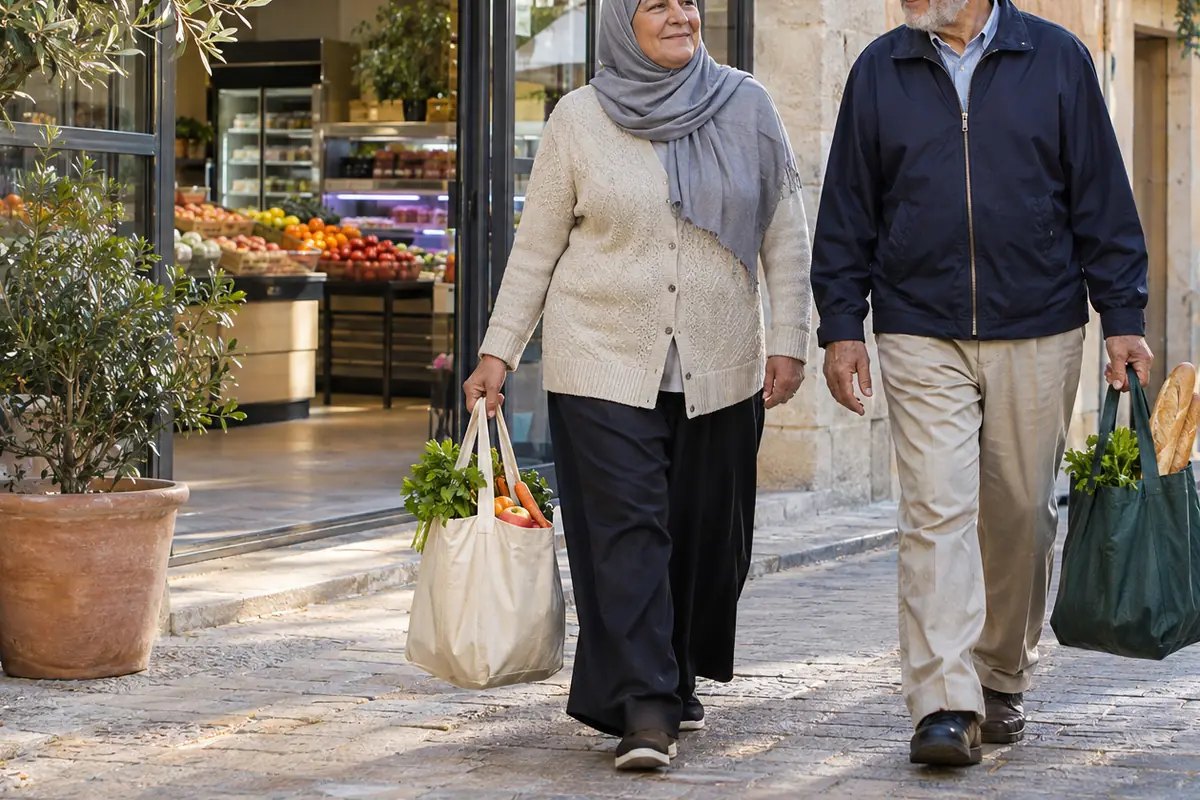
UK, Bradford has long been associated with halal food, thanks to a large and settled Muslim population and a famous curry culture. A halal supermarket here sells meat prepared according to Islamic rules, plus rice, lentils, spices, fresh vegetables, dairy, bread and frozen groceries without pork or alcohol. Neighbourhood stores sit beside big chains and wholesalers, so prices and offers are watched closely by households. The hilly layout of the city and its terraced streets also mean that small corner shops remain useful for daily top-ups close to home.
Halal supermarket streets of Bradford
Manningham Lane, Lumb Lane, Leeds Road and the roads around Bradford Moor and Barkerend are the best-known places for halal shopping. Rows of grocers, butchers, sweet shops and bakeries sit along them, many run by families who have traded for decades.
Girlington, Great Horton and Undercliffe also have strong local retail. A resident in these areas can often walk to a butcher or grocer in a few minutes, which suits older shoppers and parents with prams who would rather avoid the steep roads and city-centre traffic.
The city centre has a quieter halal scene than the surrounding districts, with Oastler Market and nearby streets offering a mix of produce stalls and small grocers. Students from the university and the college often stop here between lectures for quick lunches and ingredients.
Halal supermarket chains, independents and the Morrisons link
Morrisons began in Bradford as a market stall, and the supermarket group still has a strong presence in the district. Several of its larger stores carry halal poultry and meat, and customers often compare them with Asda, Tesco and Aldi, all of which operate in the area.
Independent supermarkets compete by offering broader international ranges, from Pakistani pickles to Middle Eastern tahini and African flours. Their strength lies in variety and in staff who know the spices, so they remain the first stop for anyone cooking traditional dishes.
Retail parks on the outskirts, along the ring road and toward Shipley and Thornbury, provide car-friendly shopping. Families coming from other parts of West Yorkshire sometimes visit them for the full range, combining a weekly shop with a trip to a favourite butcher.
Halal butchers and the importance of fresh cuts
Butchers in Bradford are a pillar of everyday shopping. They cut lamb, goat and chicken to order, prepare mince on request and sometimes provide marinated trays that save time before a barbecue or a family gathering.
Many households ask for goat or mutton in addition to lamb, because those meats are central to slow-cooked curries and stews. Asking the butcher to trim, joint or cube the meat according to the recipe gives better results than buying a generic pre-packed tray.
As in other cities, a good butcher is happy to explain where the meat comes from and which certification body covers the supply, which builds the confidence of regular customers. Early weekday visits leave more time for such conversations, while Fridays and Saturdays are busy.
How shoppers read labels and certification
Packs of halal meat in Bradford shops usually carry a recognised certification mark. Buyers check that the mark is visible, that the packaging looks intact and that the meat is within date. A glance at the ingredient list for gelatine or alcohol completes the routine.
Opinions differ on stunning, and some customers prefer to seek suppliers that state their method. Neutral labelling helps, and shops that publish this detail tend to earn trust, especially from younger customers who read packaging carefully.
Receipts and cold-chain habits matter after the purchase as well: meat should travel home in an insulated bag and reach the fridge or freezer without delay.
Prices and offers in a competitive market
With so many shops within a short distance, Bradford shoppers can compare quickly. They look at the cost per kilo for chicken, lamb and rice rather than the headline on a poster, and they know which stores usually price vegetables most sharply.
Weekly promotions at independent supermarkets often target staples such as flour, oil and lentils, while chains emphasise multibuy deals and loyalty offers. Terms vary, so reading the label and asking at the till stays the most reliable way to confirm a deal.
Another consideration is how many mouths the shopping has to feed. Large households benefit from sacks and family packs, whereas smaller households may save more by buying loose goods by weight, avoiding waste from items that spoil before they are used.
Spices, flours and pantry staples
Bradford's kitchens depend on a deep pantry. Basmati rice, chapati flour, split peas, chickpeas, ghee, whole spices and tea are bought in large sacks and tins, often from wholesale-style stores that supply restaurants as well as homes.
Fresh herbs, curry leaves and green chillies are sold by the bunch, and shoppers learn to judge freshness by smell and colour. Ground spices keep their aroma best when bought in smaller quantities and stored in airtight tins away from the light.
Pickles, chutneys and sauces fill an entire aisle in the larger stores. Reading the ingredient list helps, since some contain vinegar, alcohol-derived flavourings or animal-based additives, and shoppers who watch for them can usually find a suitable alternative on the same shelf.
Ramadan, Eid and community buying
During Ramadan, the pace of shopping in Bradford changes. Evening opening is busy, dates and fruit are sold in boxes, and snack ingredients for pakoras and samosas fly off the shelves. Butchers expect heavy orders before Eid and sometimes ask for deposits.
Mosques and community centres often organise food collections, and local grocers donate or sell goods at reduced cost to support them. Households planning to donate or to host guests benefit from placing bulk orders a few days early.
Bakeries produce enormous quantities of naan, chapati and sweet pastries in the evenings during the fasting month. Visiting after the afternoon rush gives the best chance of fresh batches, and ordering sweets in advance prevents disappointment for gifts and gatherings.
Delivery and online shopping in West Yorkshire
Chain supermarkets deliver across Bradford and its surrounding towns, and halal products can be selected online when a store carries them. Reviewing substitutions before accepting a delivery prevents unwelcome swaps in the chilled box.
Some local halal grocers have also built their own ordering services with messaging apps and social pages, offering delivery or collection in set windows. Confirming minimum order size and payment method beforehand keeps the process simple.
Elderly residents who prefer not to carry heavy bags especially value delivery. Many have a trusted driver or a family member who places the order for them, a quiet but important service that keeps ageing neighbours supplied with familiar food.
Everyday tips for a good halal shop
Steep hills and winter weather affect shopping on foot, so many residents split their errands: heavy sacks arrive by car or delivery, while bread, herbs and milk are collected on a short walk.
Rotating freezer stock, labelling bags with dates and keeping raw meat in sealed containers protects both quality and safety. A well-organised freezer lets a household take full advantage of a good offer whenever it appears.
Seasonal change matters too. Summer brings salads, fruit and barbecue meats, while cold months favour hearty stews, soups and slow-cooked dishes that rely on bone-in cuts and root vegetables, which changes what shoppers carry out of the store.
Retailers and organisations to know
- Morrisons — Supermarket group founded in Bradford, with large local stores offering halal meat and online delivery.
- Asda — Chain operating several large Bradford-area stores, some with halal poultry and lamb ranges.
- Tesco — National supermarket whose bigger branches in West Yorkshire stock halal chicken and mince.
- Aldi UK — Discount grocer used for vegetables, dairy, rice and pantry items in Bradford.
- Booker — Wholesaler serving independent grocers and caterers with bulk groceries and some halal lines.
- Halal Monitoring Committee — UK certification body whose mark appears on many halal products sold in Yorkshire shops.