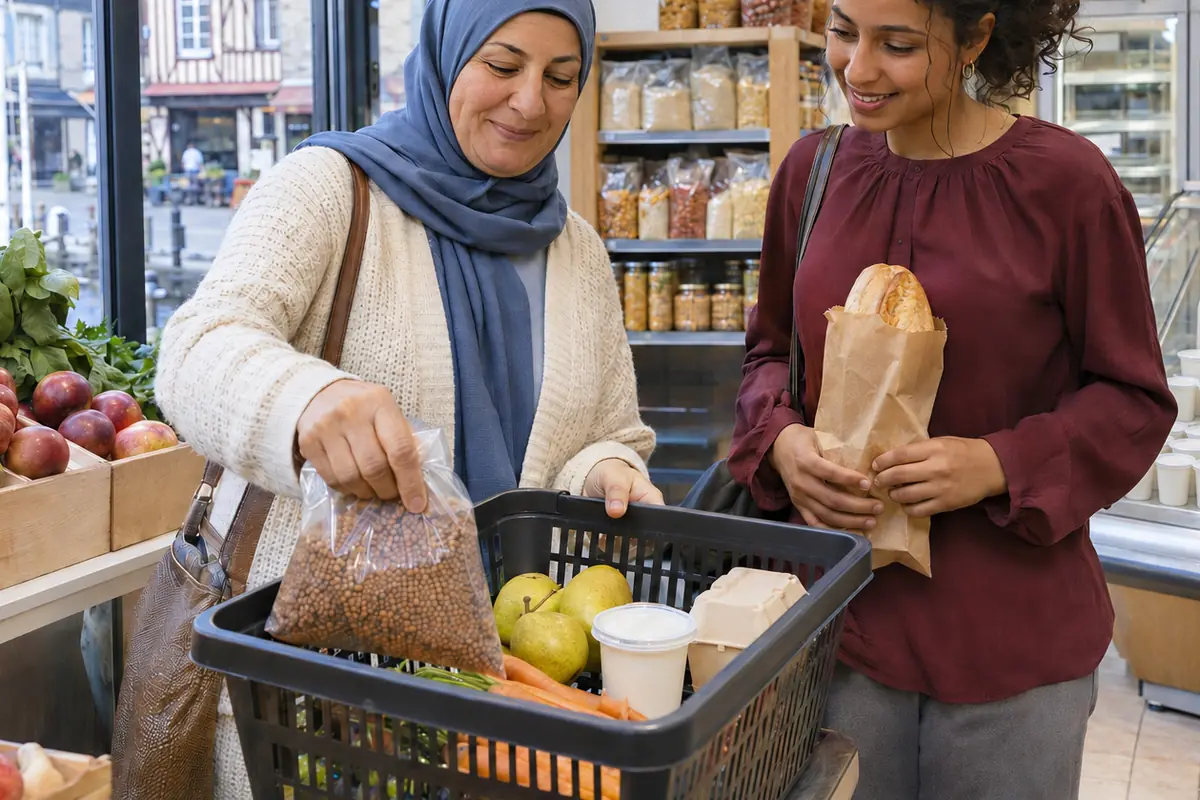
On SXM, the shared island of Sint Maarten and Saint-Martin, a halal supermarket is a practical idea more than a labelled store type. Food arrives by ship from the United States, the Netherlands, France and neighbouring islands, and halal choices depend on what importers bring. Supermarkets in Cole Bay, Philipsburg and Marigot stock groceries from several continents, so buyers compare prices and offers across both sides, check certification marks on frozen poultry and ask counters about origin, while avoiding pork and alcohol ingredients in processed foods.
One island, two sides and mixed supply
Sint Maarten and Saint-Martin share a single small island, with the Dutch side to the south and the French side to the north. The border is invisible in daily life, so residents shop wherever the selection or the offers are better that week.
Everything that is not grown on the island arrives by sea or air. Containers from Florida and the Netherlands supply the Dutch side, while the French side draws also on shipments from metropolitan France, which gives shelves a distinctly European accent.
The Muslim community is small but visible, including residents of Lebanese, Indian, Pakistani, Moroccan and Caribbean origin. Their shopping rests on knowing which store keeps halal meat and which importer can supply a special order.
Language adds colour to the shop floor. Staff and customers move between English, Dutch, French, Spanish and Creole within a single sentence, which makes it easy to ask questions about ingredients, though written labels follow the language of the exporting country.
Philipsburg, Cole Bay and the Dutch side
Along Front Street in Philipsburg, shops serve cruise visitors more than daily shoppers, with duty-free goods and souvenirs outnumbering food stores. Residents head instead to the larger supermarkets in Cole Bay, Cay Hill and Simpson Bay, where parking and variety are easier.
Stores such as Food Center and the warehouse-style Cost-U-Less carry American brands, frozen meat, dairy and household goods. Shoppers who want halal poultry often look for products with a certificate from the producing country.
Simpson Bay, with its lagoon and marinas, houses seasonal workers, boat crews and expatriates. Their food needs are met by small groceries, delis and delivery services as much as by big stores.
Industrial and commercial zones near the airport and Cole Bay hold wholesalers that supply restaurants and hotels. Some sell to the public as well, and shoppers with large households use them for cartons of poultry, sacks of rice and cases of drinks.
Marigot, Hope Estate and the French side
Marigot's waterfront market, open on selected days, sells fruit, vegetables, spices and crafts, and it remains the best place to compare fresh produce directly. Stalls lean toward local and regional goods, so imported processed foods must be sought elsewhere.
Hope Estate, close to the border, is home to a large Carrefour and a cluster of stores that attract shoppers from both sides. French-language labels, cheeses, charcuterie and baguettes sit beside halal-labelled poultry in some departments.
Because French labelling follows European rules, ingredient lists are detailed and allergen information is clear. That helps shoppers who avoid gelatine, alcohol-based flavours and pork-derived additives in packaged goods.
Grand Case, on the north coast, adds a food culture of its own, with bakeries, fishmongers and small markets that serve a mix of residents and weekend visitors who prefer village shopping to large stores.
Choosing a halal supermarket on an island economy
A halal supermarket in this setting is chosen less by name than by delivery rhythm. Stock arrives on certain days, popular frozen items can sell out, and regular customers learn when shelves are freshest.
Specialist grocers and small importers sometimes fill the gap with halal chicken, lamb, rice, pulses and spices brought in for the community. They may not advertise widely, so recommendations pass by word of mouth in mosques, workplaces and family groups.
Visitors who stay in villas or on boats often plan ahead. They message a store before arrival, ask which brands carry halal marks and buy fish, fruit and vegetables locally while sourcing meat from the shops that can confirm its origin.
Ethnic grocers with Indian, Lebanese or Caribbean roots deserve a visit, since they commonly carry spices, lentils, flatbreads and canned goods suited to halal cooking.
Comparing prices and offers across the border
Island prices tend to be higher than on the mainland because of freight, handling and import duties, and comparison is part of everyday life. Residents notice that the same brand may be priced differently on the Dutch and French sides, depending on origin of shipment and local tax.
Weekly promotions appear in store flyers, social media pages and entrance displays. Shoppers combine them with bulk buying at warehouse stores for rice, oil, frozen chicken and drinks, then top up fresh items at smaller supermarkets or markets.
Two currencies appear in daily use, the euro and the US dollar, and some shops quote prices in both. Comparing carefully means converting to a single currency and checking pack sizes before deciding which offer is better.
Seasonality of tourism also affects prices and availability. During peak weeks, popular imported items can run short, and shoppers who like a particular halal brand buy a few extra packs when they find it.
Fresh fish, local produce and what to check
Seafood is a natural ally of the halal diet on a Caribbean island. Fishermen land mahi-mahi, snapper, lobster and conch, and shoppers buy them at the quays or from market stalls, often cleaned to order.
Local fruit and vegetables, such as plantain, pumpkin, mango, papaya and herbs, come from small growers and neighbouring islands. They are inexpensive in season and form the base of many family meals.
Processed and frozen items require more care. Sausages, nuggets, sauces, sweets and baked goods may contain pork, lard, gelatine or alcohol, so careful buyers read labels in English, Dutch and French and ask the counter when in doubt.
Halal supermarket delivery and ordering ahead
Delivery on the island is organised through individual stores, small couriers and messaging apps. Customers often send a list by message, pay by card or cash on arrival and collect from the car park or receive a drop at the villa.
Hurricane season changes the way people shop. Households stock up on water, canned goods, rice, pasta and powdered milk before storms, and halal households add dried beans, tinned fish and shelf-stable products they already trust.
Ordering ahead is also common among visitors who rent accommodation with a kitchen. They arrange a first grocery delivery, then use local markets and supermarkets for the rest of their stay.
Festivals, tourism and the seasonal rhythm
Tourism sets the pace of the island economy. High season, from winter to spring, brings more visitors, fuller shelves and more varied imports, while the quieter summer months see shops trim their range.
Ramadan and Eid are observed quietly but warmly by the island's Muslim residents. Families share meals, buy dates, rice and sweets in advance, and rely on friends who travel to bring back specific items from larger cities.
Carnival, Heineken Regatta and other festivals fill the calendar with crowds and temporary food stalls. Visitors seeking halal options during those events are advised to ask vendors about ingredients and slaughter before buying.
Hotels and restaurants catering to Middle Eastern visitors sometimes arrange halal meat through suppliers on neighbouring islands, which indirectly widens what is available to residents who know the right contact.
Retailers and organisations to know
- Carrefour Hope Estate — Large supermarket on the French side near the border, with a broad French and international food range.
- Cost-U-Less — Warehouse-style store in Cole Bay selling American brands and bulk groceries, frozen poultry and household goods.
- Food Center — Supermarket on the Dutch side offering everyday groceries, produce and deli items.
- Marigot Market — Waterfront market where fruit, vegetables, spices and local goods are sold on market days.
- Sint Maarten Chamber of Commerce and Industry — Business organisation that can orient importers and traders on the Dutch side of the island.
- Collectivité de Saint-Martin — Local authority of the French side, a reference point for commerce and consumer matters.