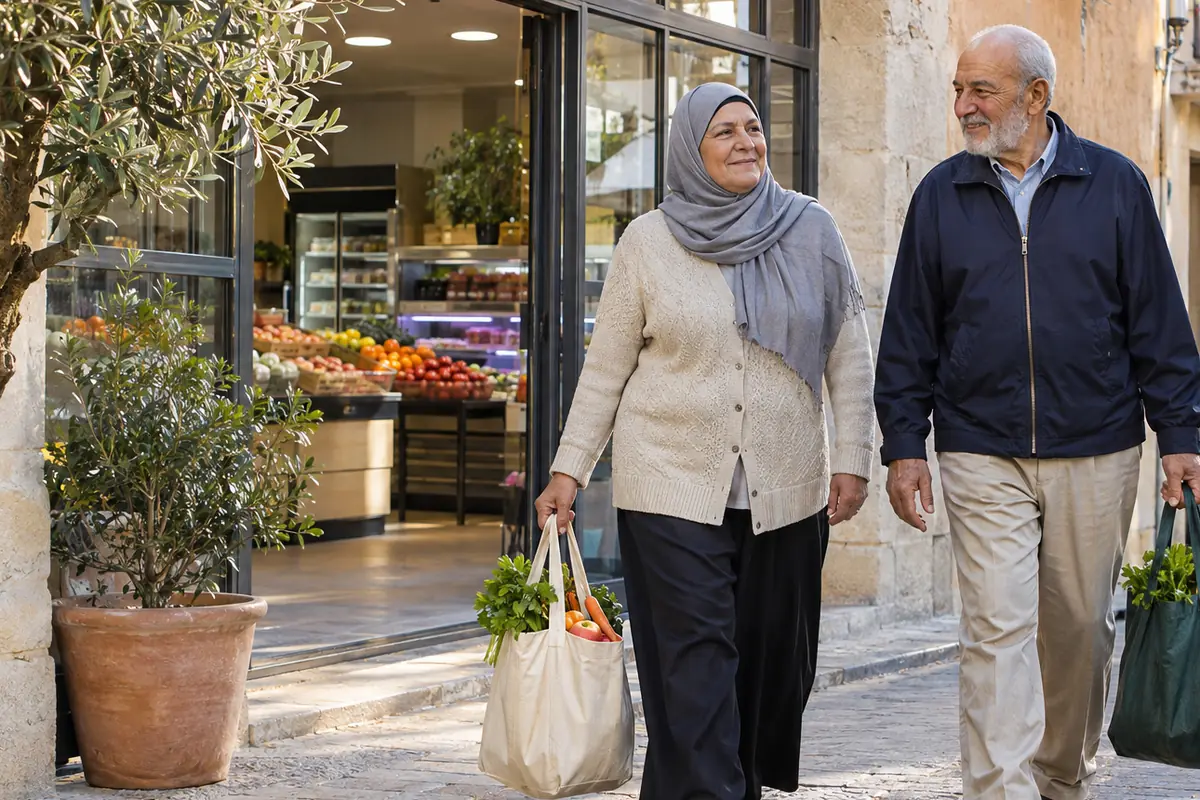
USA, Miami is a coastal, multilingual city where a halal supermarket may be a neighbourhood grocery run by a Caribbean, Arab or South Asian family, or a large chain whose butcher counter includes halal poultry. Residents and visitors buy halal groceries across Miami-Dade and nearby Broward, mixing Latin, Caribbean and Middle Eastern ingredients in the same basket. Prices and weekly offers are compared by car or bus, and certification, slaughter method and ingredient lists remain the main checks before any purchase.
Where a halal supermarket fits in Miami's food map
Miami's grocery scene is shaped by Latin America and the Caribbean, so Spanish and Haitian Creole signs are as common as English ones. Halal shopping happens beside this mix: small markets run by Arab, South Asian, Guyanese and Trinidadian families, plus butchers and mainstream stores that keep a few certified meat lines.
Distances are considerable across Miami-Dade and into Broward and Palm Beach counties. Residents in places such as Doral, Kendall, Hialeah, Miami Gardens and Pembroke Pines often know one or two trusted stores and plan their week around them, rather than driving across the whole region for every item.
The result is a patchwork instead of a single halal district. A shopper may buy meat in one town, spices in another and produce from a street market on the way home. Learning this map takes time, and word of mouth from neighbours, colleagues and mosque communities speeds the process considerably. A friendly conversation at the meat counter often reveals the best day for fresh deliveries and the quietest hour for unhurried shopping.
Halal groceries with Caribbean and Latin influences
Few cities blend culinary traditions as freely as Miami, and halal groceries reflect it. Cooks use plantains, cassava, rice and beans, tropical fruit, fresh herbs and peppers alongside curry blends, flatbreads, tahini and dates. The same market may sell all of these, which makes weekly menus lively and varied.
Meat dishes are central to many family tables. Chicken, goat, lamb and beef are marinated with citrus, garlic or spice pastes, then grilled, stewed or roasted. Because these recipes rely on cuts and freshness, shoppers value butchers who cut to order and can say where the meat comes from.
Seafood is another strength of the region. Fish and shellfish are widely available, and many Muslim buyers consult scholars or community guidance about which species they accept. The shop's role is to label clearly, keep fresh stock on ice and avoid cross-contact with pork or alcohol-based marinades.
Halal certification and meat labels in Florida
In the United States, halal certification is voluntary and carried out by private organisations. Some of them are national nonprofit bodies, others are smaller local committees, and every logo has its own reputation. Miami buyers learn which marks their community trusts and look for them on poultry, processed foods and frozen items.
Because Miami has large kosher and Latin meat markets as well, shoppers sometimes need to distinguish between labels. Kosher is a separate system and does not automatically meet halal expectations, while generic words such as natural or farm-fresh say nothing about slaughter. Only a clear halal statement or certificate answers the question.
Asking is always reasonable. Staff at community markets can usually tell customers which supplier delivers, which days fresh meat arrives and whether the shop also stocks pork. A seller who answers openly deserves repeat business, and one who avoids the question may not be the best choice for halal purchases.
How shoppers compare prices around Miami-Dade
Living costs are a daily conversation in South Florida, and grocery prices are no exception. Households compare shelf tickets for rice, oil, chicken, produce and bread, and they avoid assuming that the closest store is the cheapest. A short trip to a competing market can reveal real differences on selected items.
Traffic changes the calculation. A store across the causeway or on a congested avenue may cost more in time and fuel than it saves on the receipt. Many people therefore cluster errands, buying produce at a nearby fruit stand, meat at a trusted butcher and dry goods when they pass a larger supermarket.
Unit prices and freshness dates are the most dependable tools. A larger pack often lowers the cost per pound, but only if the family can use it before it spoils in the heat. Buyers also remember that a discount on poor-quality meat is rarely a good deal. Shoppers who keep notes on past purchases soon recognise which stores stay consistent and which vary from week to week, and they adjust their routes accordingly.
Offers, flyers and festival shopping
Large chains in Florida publish weekly flyers and digital coupons, and their offers on poultry, produce and pantry items can be useful to halal-conscious households when the products qualify. Promotions rotate quickly, so shoppers verify the label of any discounted meat rather than assuming it carries halal certification.
Smaller community markets run seasonal specials around religious holidays. Dates, sweets, lamb, special flours and drinks are displayed prominently before the fasting month and the festivals, and some stores take advance orders for whole animals or large trays. Early planning avoids the rush and secures the desired cuts.
Tourists and seasonal residents add to demand during winter months. Visitors renting apartments look for halal staples and often ask hotel staff or neighbours for directions to the nearest suitable shop. Markets close to popular areas sometimes adapt by stocking ready meals and travel-sized items alongside their usual range.
Heat, hurricanes and keeping food safe
Miami's subtropical climate affects every grocery trip. Meat, dairy and prepared dishes should travel in cool bags during warm months, and shoppers avoid leaving purchases in a parked car. Planning stops so that frozen and chilled goods come last reduces the risk of spoilage before reaching home.
Hurricane season encourages preparation. Households keep stocks of rice, canned beans, lentils, nuts, dates, bottled water and shelf-stable halal food, and they check the freezer in advance. After a storm, safe handling of thawed meat becomes a priority, and many people discard anything that stayed warm too long.
These habits shape what stores stock before a forecast storm: batteries, water and dry goods vanish quickly, and community markets sometimes extend opening hours to help neighbours. Residents who shop early and avoid panic buying help keep supplies available for older neighbours and families who cannot travel far.
Delivery, online ordering and community networks
Delivery apps and online grocery services cover much of Miami-Dade, and some halal markets accept orders by phone or messaging. Before paying, Miami customers read the listed delivery zone, how chilled goods travel and what the product page says about halal status, which matters most when meat is ordered for a family gathering.
Wholesale suppliers serve restaurants, caterers and food trucks in the region, and a few allow individuals to buy larger quantities. Terms vary, so buyers contact each supplier directly. Group orders among relatives and friends are a common way to reach minimum quantities and share the cost of transport.
Mosques, universities and cultural associations circulate recommendations on trusted suppliers. Newcomers from other states or countries often rely on these networks to find their first reliable butcher. Over time, a household builds its own list of favourite stores, and that personal knowledge becomes the best guide in a large and diverse city.
Retailers and organisations to know
- Publix — Florida-based supermarket chain with stores across Miami-Dade and Broward, useful for everyday groceries and a delivery service.
- Winn-Dixie — Southern grocery chain with Florida branches offering weekly flyers and a range of international products.
- Sedano's — South Florida supermarket group focused on Latin American and Caribbean foods, with fresh meat and produce departments.
- Whole Foods Market — National natural-foods grocer with Miami-area stores and labelled meat sourcing, useful for checking ingredient lists.
- Costco — Warehouse club with large packs of rice, oil and poultry that suit bigger households in South Florida.
- IFANCA — Islamic Food and Nutrition Council of America, a certifier whose mark appears on many packaged foods sold in Florida.
- Islamic Services of America — Halal certifier covering meat and processed products distributed across the United States.