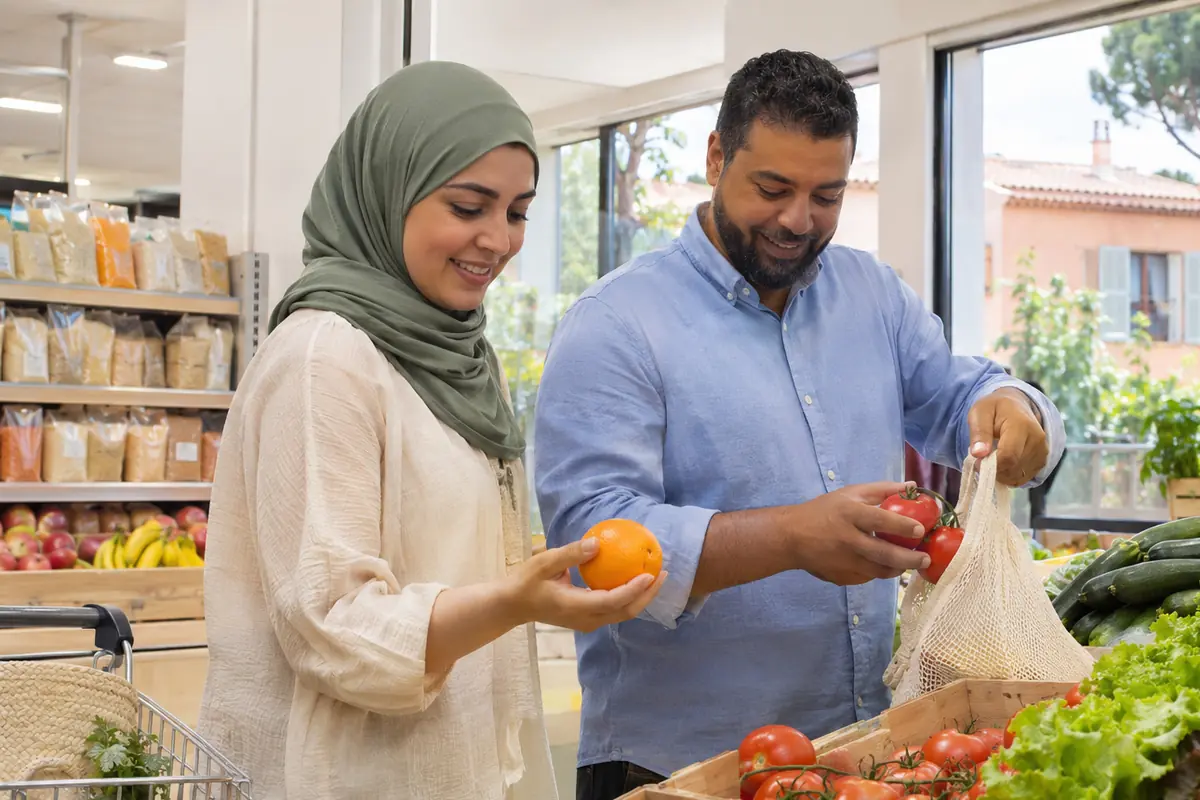
In Lincoln, Nebraska, Ramadan market food means everything households gather for the fast: dates, milk, soup ingredients, flatbreads, fresh produce and halal meat. The city is a university town and state capital with long-established refugee and immigrant communities, so demand for iftar and suhoor groceries is steady rather than seasonal alone. Shoppers mix national supermarkets, regional grocers and small international stores, while opening hours tend to stretch or shift around sunset. Because schedules differ by store, checking the current hours on the spot remains the safest habit.
Ramadan market food in a Great Plains capital
Lincoln sits in the middle of farm country, and that shapes how people shop. Fresh vegetables, eggs, dairy and beef are close to their source, which makes it easy to build a fast-breaking table from ordinary supermarket aisles. Households often supplement those staples with imported dates and spices from international grocers.
The city is compact, with a downtown core, a university campus and suburbs that spread along main roads. Most shoppers drive, so a single large trip before the month begins is common, followed by shorter top-up visits for bread, fruit and herbs when the evening meal approaches.
Because the community is spread across many neighbourhoods rather than concentrated in one district, no single street carries all the Ramadan shopping. Families compare a few stores and settle into a route that suits their commute.
Seasonal timing also affects the basket. When the month falls in colder weather, hearty soups, stews and baked dishes take priority, so root vegetables, beans and cuts of meat for slow cooking leave the shelves early. In warmer weather, salads, cold drinks and melons gain ground.
Where families shop for halal groceries
National chains with a strong Midwestern presence, such as Hy-Vee, Walmart and Aldi, supply the everyday basics: rice, lentils, canned chickpeas, tea, yoghurt and cooking oil. Local grocers with a Nebraska base add familiar produce and bakery departments that many households already rely on.
Halal meat is the item that usually requires more attention. Some buyers look for a halal counter or a packaged line carrying a certifier's mark, while others turn to small international groceries and butchers that focus on halal slaughter. Labels, certification marks and staff answers help settle the question.
Frozen aisles also matter during the month. Pre-made samosas, spring rolls, paratha and prepared meat mixes save time on busy days and are often stocked in bulk by shoppers who plan the whole month ahead.
Dates, soup and the iftar basket
Dates sit at the centre of nearly every basket. Shoppers compare varieties, packaging and origin, and many buy more than one kind so the table has both soft and firmer options. Boxed dates from Middle Eastern and North African suppliers are widely sold in international stores.
Around the dates, the basket usually holds the ingredients for a warm soup, such as lentils, vermicelli, tomatoes, onions and fresh coriander. Milk, laban or yoghurt drinks, juices and water complete the first drinks of the evening, while samosa wrappers and flour cover fried starters.
Fruit is bought in generous quantities: oranges, apples, bananas, melons when in season and whatever the produce department has in good condition. Stands set out near store entrances often highlight these items as the month begins.
Suhoor shopping and early-morning staples
The pre-dawn meal calls for a different list. Oats, eggs, cheese, flatbread, beans, olives and sliced fruit are typical, along with yoghurt and long-lasting items that need no real cooking. Many families prepare part of this meal the evening before.
Households with students from the university often favour quick options: instant oats, boiled eggs, peanut butter and ready bread. Those items are easy to find in nearly any supermarket, so suhoor shopping rarely requires a special trip.
Stocking up on staples reduces the number of late errands. Shoppers who already have rice, flour and spices at home tend to spend their store visits on perishable goods like milk, greens and fresh meat.
Many families freeze portions in advance, wrapping flatbread and cooked grains so that a pre-dawn meal takes only minutes. Freezer space becomes a quiet asset, and a few extra containers or bags are among the less obvious purchases of the month.
How opening hours adapt during Ramadan
Opening hours follow the store, not the calendar. Large supermarkets generally keep their usual schedules, while independent international grocers and butchers sometimes adjust to serve people who shop after sunset. Whether a specific shop does so is something the owner decides.
Shoppers therefore rely on a store's own website, its listing in a maps application or a quick call. Hours posted for ordinary weeks may not reflect temporary changes, and holiday schedules sometimes differ as well.
A practical habit is to visit in the afternoon, before the evening rush, for items that need to be fresh. Those who prefer to go after the meal find that many places remain busy and that popular products can sell out.
Evening crowds, parking and timing a visit
Late afternoon is when stores fill up, as people finish work and head for the aisles at the same moment. Checkout lines grow, parking lots near popular grocers run full, and shelves of bread and dates empty faster than at other times of day.
Winter and early spring weather in Nebraska can add another layer of planning. Cold, snow or ice may slow driving, so many families shop in larger batches and keep a reserve of staples at home in case a storm makes errands difficult.
Mid-morning visits tend to be calmer, with restocked shelves and shorter lines. Shoppers with flexible schedules often choose those quieter windows and leave the busy periods to people finishing the workday.
Community gatherings and shared meals add another layer. Households hosting guests buy larger trays of rice, meat and desserts, and those orders are often placed with local bakeries or caterers days ahead, which eases pressure on the grocery aisles.
Delivery, pickup and online ordering
Grocery delivery and curbside pickup have made the month easier for people with long workdays or limited transport. Services such as Instacart and the stores' own apps let shoppers assemble a list in advance and collect it at a time that fits.
Not every item is available online. Halal meat in particular may be limited, so many households order dry goods, dairy and produce through an app and complete the meat purchase in person at a specialist butcher or international grocer.
Ordering ahead also helps with substitutions. Reading the notes on a substitution before accepting it is wise, especially for packaged foods where a different brand might carry different ingredients or certification.
Reading labels and choosing certified products
Buyers pay close attention to labels. They look for a recognised halal certification mark, check the ingredient list for pork derivatives or alcohol, and ask staff about the source of fresh meat when no label is visible.
Certifiers active in the United States, such as the Islamic Food and Nutrition Council of America, publish information about the products they certify. Consulting that kind of source helps when a brand is unfamiliar or a package carries an unclear symbol.
When doubt remains, many shoppers choose simpler foods: fresh vegetables, fruit, dates, plain dairy and dried legumes. These items rarely raise questions and form the core of most iftar and suhoor tables.
Retailers and organisations to know
- Hy-Vee — Midwestern supermarket chain with stores in Lincoln, offering produce, bakery items and international aisles for iftar basics.
- Super Saver — Nebraska-based grocery chain serving Lincoln neighbourhoods with fresh produce, dairy and pantry staples.
- Russ's Market — Lincoln-based grocery chain known for broad produce and meat departments.
- Walmart Supercenter — National discount retailer with large grocery sections for rice, flour, oils, canned goods and frozen foods.
- Aldi — Discount grocery chain suited to basic staples, eggs, dairy and fresh fruit for daily Ramadan meals.
- Costco Wholesale — Membership warehouse where families buy dates, rice, oils and bulk staples for the whole month.
- Instacart — Grocery delivery and pickup platform connecting shoppers with local supermarkets.
- Islamic Food and Nutrition Council of America — Halal certification body whose mark appears on many packaged foods sold across the country.