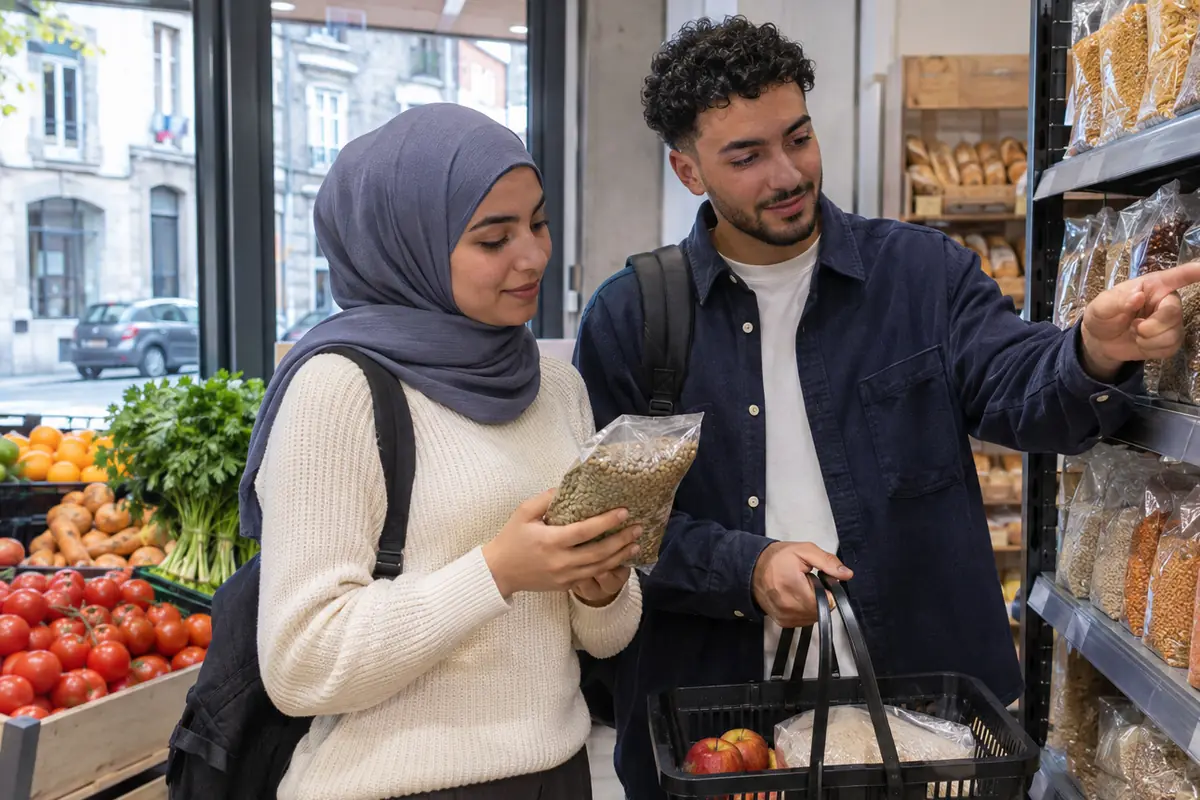
In Frisco, Texas, a fast-growing suburb north of Dallas, the Ramadan market food and opening hours question comes down to a car-friendly landscape of supermarkets, shopping centers and nearby ethnic groceries. Residents from South Asian, Arab and other Muslim backgrounds stock up on dates, rice, lentils, spices, dairy and halal meat before the evening meal. Because stores sit along wide commercial corridors, families often plan routes across several suburbs. Schedules adapt during the month and differ by retailer, so checking directly with each store remains the safest approach.
Ramadan market habits in North Texas suburbs
Frisco is built around shopping centers, master-planned neighborhoods and large parking lots, so Ramadan errands almost always involve a drive. Rather than a central bazaar, residents combine a supermarket run with stops at specialty stores in Plano, Richardson, Allen or McKinney.
The wider Dallas–Fort Worth area has long-established Muslim communities, and their shops, bakeries and restaurants shape what Frisco households can find within a short drive. Many families keep a mental map of which store is best for meat, which for produce and which for sweets.
Weekend mornings are popular for the big shop, while weekday evenings serve quick top-ups for fresh bread, yogurt or herbs. This rhythm repeats through the month, with extra volume before the first fast and again ahead of the final days.
Halal meat and grocery sources nearby
Around Frisco, specialist halal butchers and world-food grocers in neighbouring Collin and Dallas county towns sell lamb, goat, beef and poultry, frequently trimmed on request at the counter. Shoppers examine the certification statement, ask about the slaughterhouse and, when in doubt, speak with the butcher directly.
South Asian grocery chains with a footprint in the Dallas area, including Patel Brothers, offer lentils, basmati rice, flours, pickles, frozen breads and spice blends that suit iftar cooking. Middle Eastern markets add tahini, olives, labneh, bulgur and fresh flatbread.
Mainstream supermarkets increasingly stock halal-labeled poultry or frozen meat, but availability changes from branch to branch. Regulars learn which locations restock reliably and tend to arrive early in the week for the best choice.
Bakeries are part of the picture too. Shops with Middle Eastern and South Asian roots sell fresh flatbread, pastries and samosa sheets, and their counters grow busy as families add something sweet or crisp to the evening table. Quantities sell out earlier on weekends, so regular customers plan their visit accordingly.
Ramadan food for iftar tables and suhoor
Dates, water and fruit usually come first on the iftar table, and Texas stores carry a wide range from everyday packs to premium varieties. Fresh produce such as cucumbers, tomatoes, mint, cilantro and citrus supports salads, chutneys and refreshing drinks.
Main dishes depend on family tradition. Biryani, harira-style soups, kebabs, samosa fillings, stuffed vegetables and slow-cooked stews all drive purchases of rice, legumes, onions, ground meat and spices, with frozen pastry and dough saving effort on busy days.
For the pre-dawn meal, households favor eggs, yogurt, oats, paratha, cheese and fruit. Batch cooking is common in Frisco homes, so plastic tubs, aluminium trays and freezer pouches sell briskly as the fasting month approaches.
Ramadan opening hours and the evening rush
Each store sets its own schedule, so Frisco has no uniform pattern. Independent halal shops sometimes stay open later into the evening to serve shoppers who break the fast first, while national chains generally keep to their usual routines.
The heaviest traffic appears in the hour or two before sunset and again after the evening prayers, when parking lots at popular stores fill quickly. Midday visits are quieter but may find some specialty items already sold out.
Store windows, official websites and map listings display current hours, though small businesses may update them late. A short call or a message on social media prevents wasted trips across a spread-out suburban area.
Evenings after the late prayers bring a smaller second wave, as people pick up forgotten items or sweets for the next day. Shops that stay open later benefit from this habit.
Supermarkets, club stores and local favorites
H-E-B has grown across North Texas and draws shoppers with a broad produce section, bakery and bulk goods. Kroger and Tom Thumb also serve the area, and Walmart offers convenient one-stop shopping with international aisles.
Costco appeals to households that prepare large meals for guests and community gatherings. Dates by the case, big bags of rice, cooking oil, frozen vegetables and cheese are typical purchases, often made in a single trip before the month starts.
None of these chains is dedicated to halal food, so discerning shoppers check packaging closely and keep specialty stores for meat. The combination of mainstream convenience and community-run suppliers is what makes the Frisco routine work.
Frisco's retail geography rewards planning. Centers cluster along major roads, and a single outing can cover grocery, pharmacy and bakery stops. Parents often group these errands to avoid repeated trips across busy intersections, particularly when school pickup and work commitments already fill the afternoon.
Delivery and online grocery options
Delivery fits the long distances typical of Texas suburbs. Apps such as Instacart let customers order from supermarkets and some specialty stores, and many retailers offer curbside pickup for those who prefer to pick items themselves.
Families with demanding work schedules schedule deliveries for the weekend, then use pickup slots during the week for perishable items. Adding specific notes about brands or cuts helps reduce substitutions, which can be frustrating with halal products.
A few neighbourhood meat sellers and caterers accept requests through calls or chat apps and put together large platters for shared congregation dinners. These arrangements are especially useful before large gatherings, when quantities need planning days in advance.
Pickup windows fill up fast before the weekend, so planners book them early. Perishable goods such as yogurt, herbs and fresh fruit travel better when collected shortly after the order is ready, particularly during hot Texas afternoons.
Heat, schools and community life
Texas heat influences shopping rhythm whenever Ramadan lands in the warmer months. Households avoid midday errands, buy cold drinks and watermelon in volume and rely on air-conditioned stores for longer browsing sessions.
Frisco's family-oriented character also matters. Parents balance school schedules, activities and work, so many prefer a single large shop with a freezer full of prepared items, supplemented by quick evening stops.
Mosques and community centers across the North Texas region organize shared iftar dinners, creating steady demand for rice, meat, desserts and beverages. Local suppliers and caterers often see their busiest weeks of the year.
Neighborhood groups sometimes organize shared purchases of dates and rice, splitting large cases between several households. This practice keeps costs manageable for families preparing for relatives and guests and reduces the number of separate trips to crowded stores.
Reading labels and choosing suppliers
Halal oversight in the United States is carried out by private certification bodies, and marks differ between products. Among the certifiers whose logo turns up on boxed and canned goods in Texas stores is the Islamic Food and Nutrition Council of America.
Shoppers scan ingredient lists for gelatin, alcohol-based flavoring and animal fats of unclear origin, and they look for a slaughter statement on fresh meat. If a package lacks clear information, staff can often explain where the product comes from.
Word of mouth carries weight in the community. Newcomers to Frisco typically ask neighbors, colleagues or congregation members which stores they trust before settling on a regular butcher and grocer.
Retailers and organisations to know
- H-E-B — Texas grocery chain with branches in the North Texas suburbs, known for produce, bakery and bulk pantry goods.
- Kroger — Supermarket chain serving the Dallas area, useful for dairy, produce and international food aisles.
- Tom Thumb — Regional supermarket brand in the Dallas–Fort Worth area offering fresh produce, bakery and pantry staples.
- Patel Brothers — South Asian grocery chain with Dallas-area presence, selling lentils, rice, flours, spices and frozen breads.
- Costco — Warehouse club where households buy dates, rice and frozen goods in large formats for the month.
- Walmart — Large-format store with international aisles and online grocery pickup for suburban households.
- Instacart — Grocery delivery platform connecting North Texas shoppers with supermarkets and some specialty stores.
- Islamic Food and Nutrition Council of America — Halal certification organization whose mark appears on packaged foods sold across the United States.