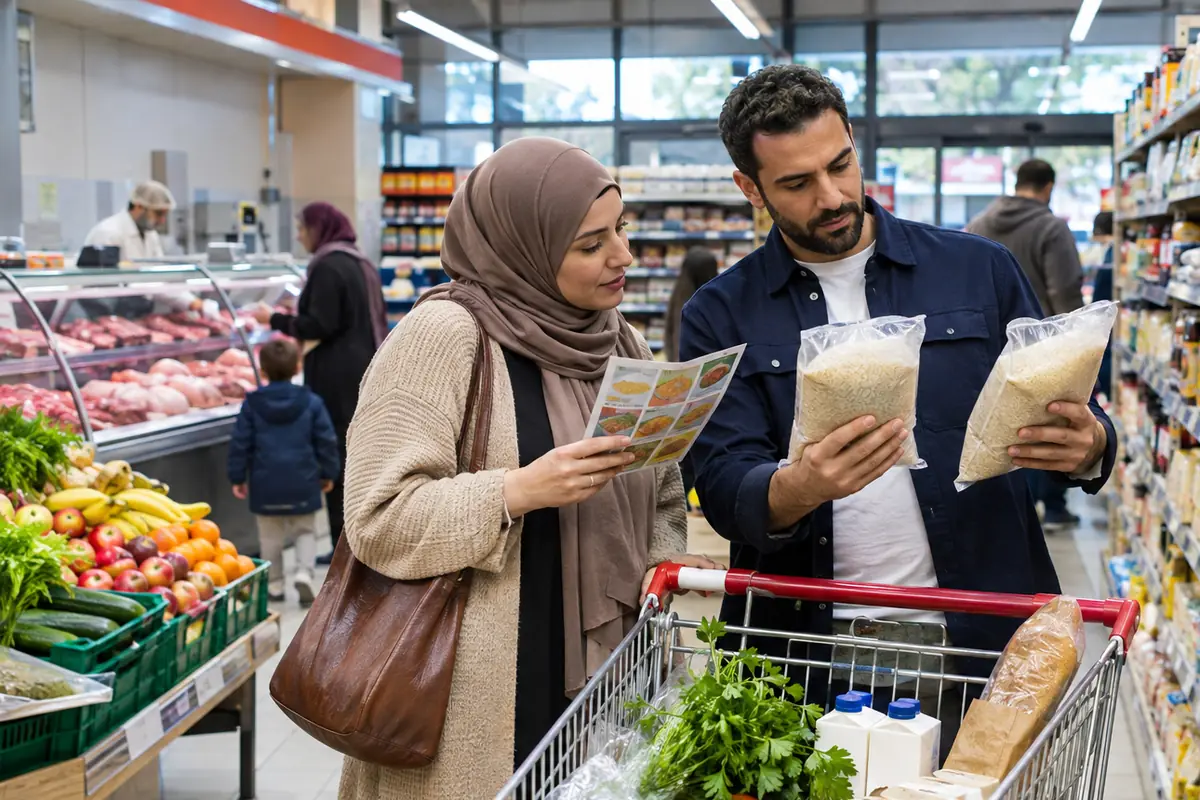
In Parramatta, Ramadan markets and food shopping revolve around a busy western Sydney hub where Lebanese, Indian, Afghan, Bangladeshi and Pakistani households buy dates, fresh bread, halal meat, produce and spices for iftar and suhoor. Supermarkets, independent grocers, butchers and street-front stalls along the central streets adjust their opening hours during the fasting month, often trading later into the evening. Exact times differ by shop and are best confirmed on the spot, while delivery and click-and-collect options help families avoid the busiest pre-sunset crowds.
Ramadan markets and street-front stalls in Parramatta
Parramatta works as a second city centre for greater Sydney, and during Ramadan its pavements take on a different rhythm. Greengrocers lean crates of herbs, cucumbers and stone fruit out toward the footpath, bakeries stack flatbreads near the doorway, and sweet shops fill their windows with syrup-soaked pastries. Much of the buzz comes from permanent shops rather than one single event, so shoppers move between several stops.
Church Street and the lanes around it are the usual starting point for visitors who want restaurants, grocers and dessert counters within walking distance. Harris Park, a short distance away, is better known for South Asian groceries, spices and sweets, which suits households preparing dishes with lentils, chickpeas and fragrant rice. Pop-up trading and community fairs do appear, though their format changes from one season to the next.
Anyone searching for a formal night market should keep in mind that the best-known gatherings in Sydney are tied to other suburbs, and councils or mosques announce their own events. Checking noticeboards at neighbourhood mosques and community pages gives a better picture than assuming a fixed schedule. When nothing special is running, the everyday shopping strips already cover nearly every need.
Ramadan food baskets: dates, bread and fresh produce
Dates sit at the centre of most baskets, and the choice runs from soft Medjool pieces to drier varieties sold loose or in gift boxes. Shoppers often compare origin, texture and packaging, then add yoghurt, laban, milk and fruit juice for the first sip of the evening. Lentil soup ingredients, vermicelli, rice and chickpeas follow, because a bowl of soup commonly opens the meal.
Fresh bread matters just as much. Lebanese-style loaves, Afghan naan, Turkish pide and Indian rotis all find regular buyers around the central suburbs, and bakeries tend to be busy in the late afternoon. Mint, parsley, coriander, tomatoes and onions are bought in larger quantities than usual, which is why greengrocers often restock more than once a day.
Frozen pastry sheets for samosas and spring rolls, canned beans, tamarind and rose syrup are the kind of pantry items households tend to stockpile ahead of the month. Buying these early eases the pressure on late-afternoon trips, leaving the evening runs for perishable extras such as fresh herbs, yoghurt and bread.
Supermarket chains and halal aisles
Coles, Woolworths and Aldi all trade in and near Parramatta, though each store carries its own selection, meaning halal-labelled meat, frozen lines or imported pantry goods vary from branch to branch. Large shopping centres bring several of these banners together under one roof, which is practical for families gathering everything in a single trip.
Labels deserve a careful look. Shoppers usually check the certification mark, the name of the approving body, the slaughter statement on meat and the ingredient list for pork derivatives or alcohol. Imported packaged goods can carry marks from overseas certifiers, and buyers who follow a particular certifier tend to scan for that logo before placing an item in the trolley.
Independent supermarkets and ethnic grocers complement the chains with deeper shelves of rice sacks, ghee, lentils, frozen parathas and spice blends. For the fasting month they frequently set up displays of dates, nuts and syrups near the entrance, which saves time for people who arrive just after work with a short list.
Halal butchers and meat before sunset
Halal butchers are a fixture of western Sydney, and demand rises as the month approaches. Customers order lamb, goat, beef and chicken for slow-cooked stews, grills, biryani and kofta, and many ask for cuts trimmed to a specific recipe. Ordering a day or two ahead is a common habit for larger gatherings, particularly when a family expects guests for iftar.
Buyers typically ask about the source of the meat and the body that supervises slaughter. Australia has several recognised Islamic certification organisations, and shops usually display their certificates near the counter. Anyone unsure can ask staff to explain the process, which reputable butchers are generally happy to do.
Marinated skewers, minced meat blends and ready-to-cook meatballs are popular shortcuts for busy weeknights. Many counters also sell bones for soup, liver and offal for traditional dishes, plus frozen portions for people who like to prepare ahead. Freshness is easier to judge when shoppers visit earlier rather than in the last rush before sunset.
Ramadan opening hours in Parramatta shops
Opening hours adapt to the fast, and the pattern is flexible rather than fixed. Some grocers and sweet shops stay open later into the night so that families can shop after the evening prayer, while others shift their busiest trading to the stretch before sunset. Because patterns differ from one business to the next, any time given by a shop should be treated as the real reference.
Restaurants and bakeries often prepare special iftar boxes or platters, and some close briefly around the moment the fast ends. Takeaway counters may be calm just after that point and active again later. Phone calls, social media posts and signs on doors are the practical ways to learn about changes.
Large supermarkets generally keep their standard schedule, though individual branches sometimes extend trading near the end of the month, when festive shopping for Eid picks up. Public holidays, long weekends and school holiday periods can also alter routines, so a quick check before driving into the centre avoids wasted trips.
Suhoor shopping and early-morning stops
Suhoor needs far less planning than iftar, yet it still shapes the shopping list. Eggs, oats, yoghurt, bananas, cheese, olives, flatbread and dates are everyday staples, and many households keep them stocked so nobody needs to leave home before dawn. Slow-release foods such as whole grains and legumes are widely favoured by people who want to feel full for longer.
Late-night food outlets in the city centre serve people who prefer to eat out before the fast begins, and some bakeries open especially early. Availability varies, so it is sensible to confirm with the venue instead of assuming. Delivery apps provide another path, though coverage and timing depend on the restaurant and the suburb.
Water, flavoured drinks and juicy fruit such as watermelon and oranges tend to disappear quickly from shelves in the warmer months. Stocking up ahead of time keeps the pre-dawn routine calm and leaves more time for prayer and family conversation.
Delivery, click-and-collect and quieter times to shop
Online grocery services from the national supermarkets, specialist halal sellers and delivery platforms take some pressure off the busiest evenings. Slots can fill quickly in the days before the month starts, so households that depend on delivery often book a little earlier than usual. Substitutions are worth reviewing, since a swapped item may not carry the same certification.
For those who prefer to browse in person, mid-morning and early afternoon trips are generally calmer than the stretch just before sunset. Car parks around the central shopping precinct fill up fast on evenings with events, so public transport is a sensible alternative; the train station and bus interchange make the centre easy to reach from many suburbs.
Mosques and neighbourhood groups at times organise food collections and communal dinners, prompting many shoppers to put a few extra goods in the trolley for neighbours or collection bins. Staff at large stores can often explain where to drop contributions. Such initiatives are announced locally, so details change from one season to the next.
Retailers and organisations to know
- Coles — National supermarket chain with branches across western Sydney and a growing range of halal-labelled lines and online delivery.
- Woolworths — Supermarket banner found in the central shopping centres, offering home delivery and pick-up slots for Ramadan staples.
- Aldi Australia — Discount supermarket whose weekly special buys often include rice, pulses, nuts and dried fruit useful for iftar baskets.
- Harris Farm Markets — Sydney-based fresh produce grocer known for fruit, vegetables and herbs bought in larger quantities during the fasting month.
- Australian Halal Authority and Advisors — Halal certification body whose logo appears on a range of Australian food products and meat.
- Australian Federation of Islamic Councils — National umbrella organisation for Islamic councils, a reference point for community events and halal matters.