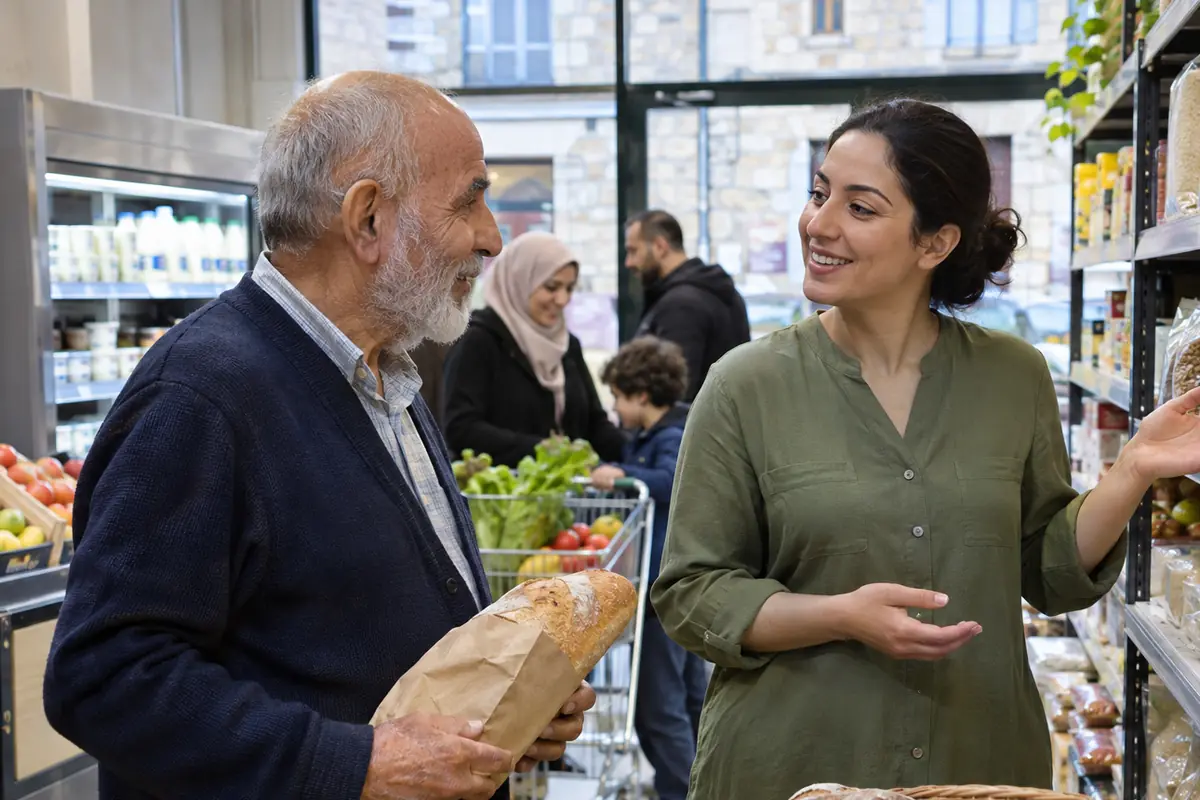
In Edmonton, Ramadan market food shopping takes place across a wide prairie city where distances are long and the weather sets the pace. Residents rely on halal butchers, Middle Eastern and South Asian groceries, national supermarkets and warehouse clubs to gather dates, lamb, flatbread, lentils and fresh produce for iftar and suhoor. Opening hours at large chains tend to follow their usual patterns, while independent shops frequently stay open later for evening customers. Because every business decides its own timetable, a quick confirmation with the store before heading out is the dependable habit.
Ramadan market shopping on the Alberta prairie
Edmonton is a spread-out city, so Ramadan market shopping is as much about logistics as about choice. Families drive between neighborhoods in the south, west and northeast to visit the stores they trust, and many organize a weekly route that links a butcher, a grocer and a bakery.
The Muslim presence in Alberta runs deep. The Al Rashid Mosque, the first mosque built in Canada, stands in Edmonton, and the long history of Arab, South Asian, Somali and Eastern African communities has produced a mature network of halal food businesses.
Pop-up bazaars and community fundraisers appear in some years, selling sweets, snacks and prepared dishes, but families do not count on them. Regular stores remain the backbone of the month's food supply.
Large shopping hubs near the major roads, including areas around West Edmonton Mall and the commercial strips of the south side, put grocers, bakeries and restaurants close together, which makes combined errands easier for busy working families and students.
Halal butchers, groceries and supermarket aisles
Halal butchers hold a special place in Edmonton routines. Lamb, goat, beef and chicken are cut to order, and many shops sell marinated skewers, ground meat for kofta and bone-in pieces for slow-cooked stews, all of which feature heavily on iftar tables.
Middle Eastern and South Asian groceries carry rice, chickpeas, tahini, vermicelli, ghee, pickles and large bags of flour. Some also run small bakeries, and shoppers often purchase warm bread on the same visit as the weekly meat order.
National chains operating in Alberta have expanded their international aisles and halal-labeled poultry ranges. These stores suit shoppers who value one-stop convenience, though customers who want detailed information about slaughter practices usually go to the dedicated halal shops.
Dates, soups and the iftar basket
Dates are the first item on nearly every list, and shops usually sell several varieties by the box. Milk, laban, water and fresh juice follow, along with tomatoes, cucumbers, parsley and lemons that supply salads and soups.
The rest of the basket reflects the households' origins. Arab families buy lentils, freekeh, semolina and olive oil, South Asian cooks choose chickpeas, besan and spices for pakoras, and Somali and Ethiopian families favor rice, pasta, teff and bananas.
Because Alberta winters can dull the freshness of imported produce, careful shoppers inspect herbs and greens before buying and favor items that travel well. Frozen vegetables and canned beans often fill gaps.
Sweet dishes complete the evening. Pastry counters offer baklava, qatayef, jalebi and date-stuffed cookies, while home cooks pick up semolina, syrup, cardamom and nuts to bake treats for relatives dropping in once the night prayers end.
Opening hours during Ramadan in Edmonton
Opening hours across the city vary by business type. Large supermarkets and warehouse clubs generally keep their regular schedules, so shoppers who want predictability can rely on posted timetables for routine trips.
Independent halal shops and bakeries are more adaptable. Certain owners begin the day later and remain lively long past dusk; elsewhere the shutters come down for a short while at mealtime so employees can eat before the next rush arrives in Edmonton.
The best way to avoid a wasted trip is to check the store's own online listing or call ahead. Long Alberta summers, short winter days and holiday weekends all influence how businesses set their schedules.
Neighborhood patterns count too. A shop in an area with many Muslim residents may remain lively late into the night, whereas a store in a quieter district follows ordinary retail rhythms and may see its busiest moment in the late afternoon.
Winter cold, long days and how the calendar shifts shopping
When the month falls in winter, early darkness and bitter cold encourage people to shop in daylight and to limit evening errands. Snow-packed parking lots can add time, so many households consolidate trips into a single weekly outing.
When the month falls in summer, the situation reverses. Long daylight hours, late sunsets and warm evenings change how people plan meals, and shoppers sometimes prefer to visit markets after the evening prayers, when temperatures are comfortable.
Freezers play an important role in either case. Halal meat, pastry and stock are prepared ahead of time, leaving fewer fresh purchases for the busy days before the meal.
Suhoor food and pre-dawn preparation
Suhoor meals in Edmonton homes emphasize staying power. Oats, eggs, yogurt, beans, flatbread and fruit are common, and some families prepare soup or stew the night before so that heating takes only minutes.
With shops shut during the small hours, households rely on filling the pantry the previous afternoon or evening. Bulk purchases of oats, nuts, honey and milk are popular, as is a small supply of dates for each member of the household.
Convenience stores and gas stations may be open at odd hours and can sell milk or bread in an emergency. Careful shoppers still read ingredient lists for gelatin and alcohol-based flavorings.
Bakeries that serve early commuters sometimes offer fresh flatbread or simple pastries, and a few households collect warm loaves on the way back from the dawn prayer. These services change often, so word of mouth guides most decisions.
Delivery, pickup and online ordering
Delivery services and curbside pickup are a lifeline in a city where winter conditions can make shopping tiring. Customers browse supermarkets online, choose time windows and receive their groceries at the door or in the trunk of the car.
Specialty halal shops often run their own ordering systems through phone, message or social platforms. Butchers may take requests for whole lamb, large trays or custom cuts, which helps families hosting guests or preparing food for neighbors.
Checking substitutions matters. A requested halal brand might be swapped for another item, so shoppers verify the label and keep receipts. Ordering early in the month tends to avoid last-minute shortages.
Gift boxes of dates, nuts and sweets are another growing category. Families send them to relatives in other provinces or deliver them to neighbors, and several local shops prepare ready-made assortments ahead of the festive days.
Community iftars, charity and shared tables
Mosques, student associations and community centers across Edmonton host group iftars, and organizers purchase rice, chicken, dates and drinks in volume. Wholesale and cash-and-carry outlets help keep costs manageable for these events.
Neighbors often share dishes, and cooks swap recipes for soups, samosas and sweets. The communal atmosphere also encourages students and newcomers, who may not have family nearby, to join a table rather than eat alone.
Food banks and charitable groups collect pantry staples during the month. Rice, lentils, flour, oil and canned vegetables are especially useful, and shoppers can add a few extra items to their weekly basket to contribute.
Retailers and organisations to know
- Real Canadian Superstore — Large Canadian supermarket chain with international aisles and halal-labeled poultry in selected Alberta locations.
- Save-On-Foods — Western Canadian grocery chain with fresh produce, bakery goods and pickup services across Edmonton.
- Costco — Warehouse club selling dates, rice, nuts and olive oil in family-size formats for iftar gatherings.
- Walmart Canada — National retailer with supercenters that stock groceries, dairy, bread and pantry staples.
- Sobeys — National grocery banner with Edmonton stores offering produce, deli and bakery departments.
- Instacart Canada — Delivery and pickup platform linking Edmonton shoppers to grocery stores and specialty outlets.
- ISNA Halal Canada — Halal certification program whose mark appears on packaged foods and meat products sold across Canada.