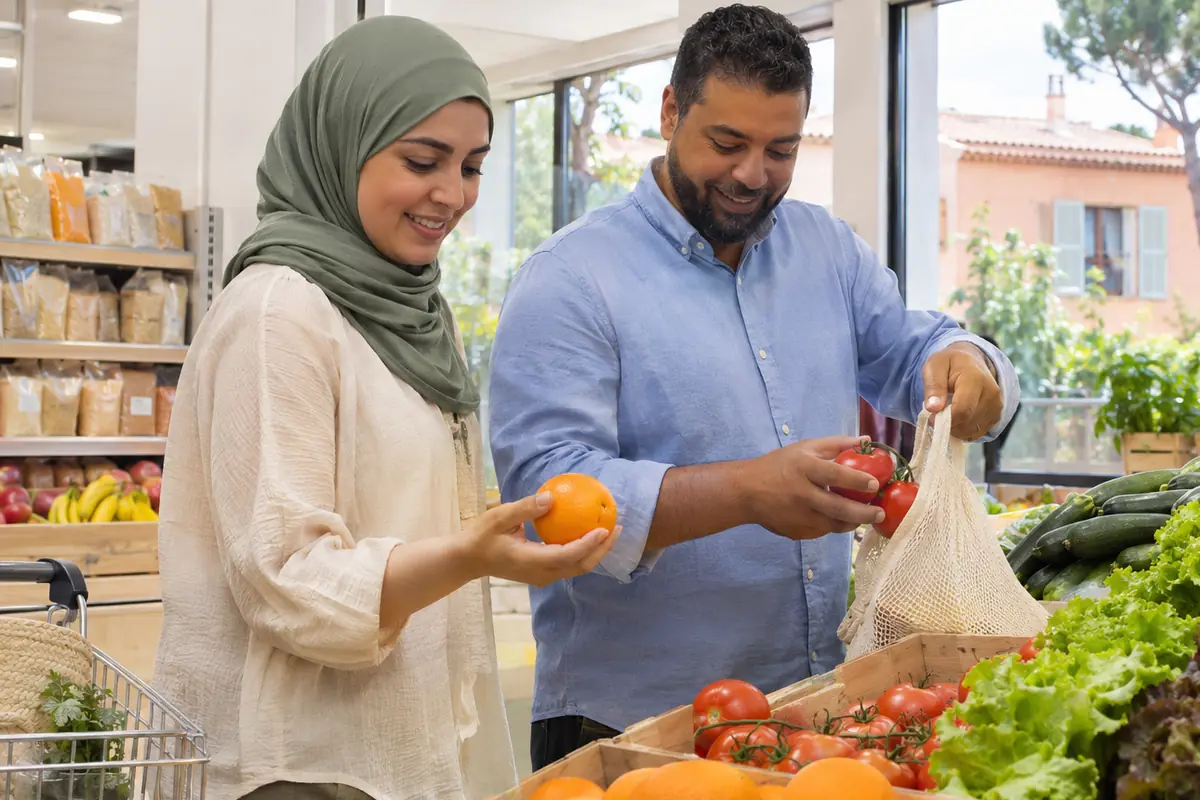
In the UK, Nottingham combines two large universities, a lively market tradition and long-settled Pakistani, Kashmiri, Caribbean, Arab and Somali communities, which together support a dense halal supermarket scene. Grocers in Sneinton, Radford, Forest Fields and Hyson Green supply fresh meat, rice, pulses, spices and frozen lines, while national chains run halal counters in larger stores. Shoppers compare prices and offers from street to street, check certification marks and ingredient lists, and often combine a tram ride with a weekly stock-up of staples.
Neighbourhoods that shape halal shopping
Nottingham's food retail grew out of its neighbourhoods rather than a single high street. Sneinton, Radford, Lenton, Forest Fields, Hyson Green and The Meadows each carry their own mix of grocers, butchers and bakeries, and regulars often stay loyal to the shop closest to their door.
Forest Fields and Hyson Green are well known for South Asian shops, with lines of vegetable stalls, sweet centres and halal butchers along the main roads. Alfreton Road and Gregory Boulevard carry steady foot traffic, and narrow side streets hide small grocers with surprising ranges of spices and flours.
Across the city centre, Mansfield Road and the area around Sneinton Market add smaller outlets and independent traders. Their stock is more specialised, and their opening hours often follow local routines, with busy early mornings and quieter afternoons that suit those who prefer unhurried browsing.
Bakeries deserve a mention too. Fresh naan, roti, Turkish bread and sweet pastries leave the ovens throughout the morning, and they often sell out by mid-afternoon. Early visits give the widest choice, and many households collect warm bread on the way to work or school.
Halal supermarket formats from corner shop to superstore
Three formats dominate local shopping. Corner grocers cover daily needs, mid-sized halal supermarkets hold broad ranges with in-house butchery, and large chain stores on ring roads suit the car-owning family. Each works well for a different type of trip, and many households use all three.
Mid-sized independent supermarkets are the heart of the scene. They combine a butcher's counter, fresh produce, bakery items, frozen aisles and dry goods in one hall, and a good one rotates stock quickly enough to keep vegetables crisp and meat fresh through the week.
Chain superstores offer predictable layouts, parking and extended hours. Many include halal-labelled meat and spice shelves, and some provide delivery or click-and-collect. The depth of choice is narrower than at specialist shops, but the convenience suits busy parents and shift workers.
Halal groceries, butchers and fresh produce
Butchers in Nottingham prepare lamb, goat, beef and chicken to order, and customers choose cuts for curries, grills and slow-cooked dishes. Asking for mince ground fresh, bones for stock or pieces cut small for biryani is routine, and good counters explain how the animals were sourced.
Fresh produce occupies front-of-store space in many shops. Okra, aubergine, bitter gourd, green chillies, fresh fenugreek and coriander arrive from wholesalers early each morning. Caribbean and African customers also look for plantain, yam, scotch bonnet peppers and callaloo, which several shops now carry.
Dry goods fill the long aisles. Basmati and sella rice, atta flour, chana dal, tinned tomatoes, ghee and tea come in sizes from small packets to heavy sacks. Frozen sections add parathas, samosas, fish and vegetables that make weeknight cooking quicker without losing flavour.
Reading prices and offers across competing shops
Competition between neighbouring shops keeps attention on prices, and customers compare them informally through word of mouth. A practical method is to track a handful of staples, such as chicken, rice, oil and flour, and to read the unit price rather than the pack price.
Offers appear in several forms: fresh produce marked down by the crate, multibuy deals on tins and drinks, and seasonal promotions before festivals. Because stock levels shift quickly, a promotion advertised in one visit may not appear in the next, and tags in front of the shelf are the only reliable guide.
Cash and carry membership can lower the cost of bulk purchases for larger households, though it demands storage and planning. Many families split big packs with relatives, which reduces waste and keeps the benefit of buying in volume without filling the cupboards.
Seasonal fruit adds a further angle. Mangoes, melons, dates and citrus move through the stalls at different points of the year, and when a delivery is plentiful the stalls often cut tags to move it. Buying what looks best on the day usually beats sticking to a fixed list.
Tram lines, bus routes and the weekly shop
Nottingham's tram network links Hucknall, Beeston, Clifton and the city centre, and many shoppers use it to reach larger stores or to meet friends before a stock-up. Bus services fill the gaps, and a wheeled trolley bag has become a familiar accessory on the early evening routes.
For families with a car, retail parks along the ring road and the A52 offer large-format stores with generous parking. Weekend trips here combine a halal supermarket run with other errands, and heavy items such as rice sacks and frozen cases travel easily.
Students from both universities usually walk or cycle to nearby grocers in Lenton, Dunkirk and Radford. Shared houses split costs for staples, and small shops that open late help those finishing long lab sessions or placements on the other side of town.
Certification, labels and trusted names
Halal certification in Britain is delivered by private organisations, and Nottingham shoppers know the main ones. Nottingham packaging frequently carries a national certifier's logo, while some independent butchers choose instead to hang certificates from other bodies beside the till or in the window.
Shoppers look at more than the logo. They check the ingredient list for gelatine, alcohol-based flavourings and animal-derived additives, and they ask counter staff how and where animals were processed. Reputable shops welcome these questions and can usually name their suppliers.
Because standards and views differ between households, labels that give clear information are valued over vague claims. Packs showing the certifying body, the product name and the ingredients in plain language save time at the shelf and reduce the need for follow-up questions.
Festival periods and community catering
Ramadan and Eid transform the shopping calendar. Dates, dried fruit, lamb, rice, samosa pastry and sweets sell fast, and the busiest butchers take advance orders for larger cuts. Planning early prevents disappointment on the final days when stock tends to run low.
Community organisations, mosques and student societies cook for large gatherings throughout the year. They buy staples in bulk from local wholesalers and compare certification before placing orders, which supports local trade and keeps costs steady for events that serve many guests.
Weddings and family celebrations add to demand. Before big family gatherings, caterers place orders with butchers long in advance and grocers bring in more spices, nuts, rose water and confectionery, which shows visitors how tightly everyday food shopping is woven into community life here.
Online ordering and delivery in the East Midlands
Major supermarkets deliver to most Nottingham postcodes, and several allow halal meat to be added to a regular basket. Reserving a delivery or collection time a day or two early makes sense for weekends and festive periods, because the most convenient windows are taken first.
Specialist halal sellers deliver frozen meat boxes, spice kits and pantry staples across the region. These services suit those who prefer a monthly order, though delivery charges, freezer capacity and packaging should be considered before signing up.
Local shops increasingly take orders by phone or messaging apps, packing bags for collection at set times. Regular customers benefit most, as staff learn their usual cuts and quantities and can set aside fresh items before the shelves empty.
Retailers and organisations to know
- Tesco — Large stores around Nottingham with halal-labelled meat, international food aisles and home delivery.
- Asda — Supermarket chain with halal counters or packs in several Nottingham branches and online slots.
- Morrisons — Chain with fresh meat counters and ethnic food shelves in East Midlands stores.
- Booker — Cash and carry wholesaler supplying local grocers, caterers and community groups with bulk staples.
- Ocado — Online grocer delivering across parts of the East Midlands, with halal-labelled lines in its meat range.
- Halal Food Authority — Certification body whose mark appears on many halal products sold in Nottingham shops.
- Halal Monitoring Committee — Halal certification and monitoring organisation recognised on meat sold across Britain.