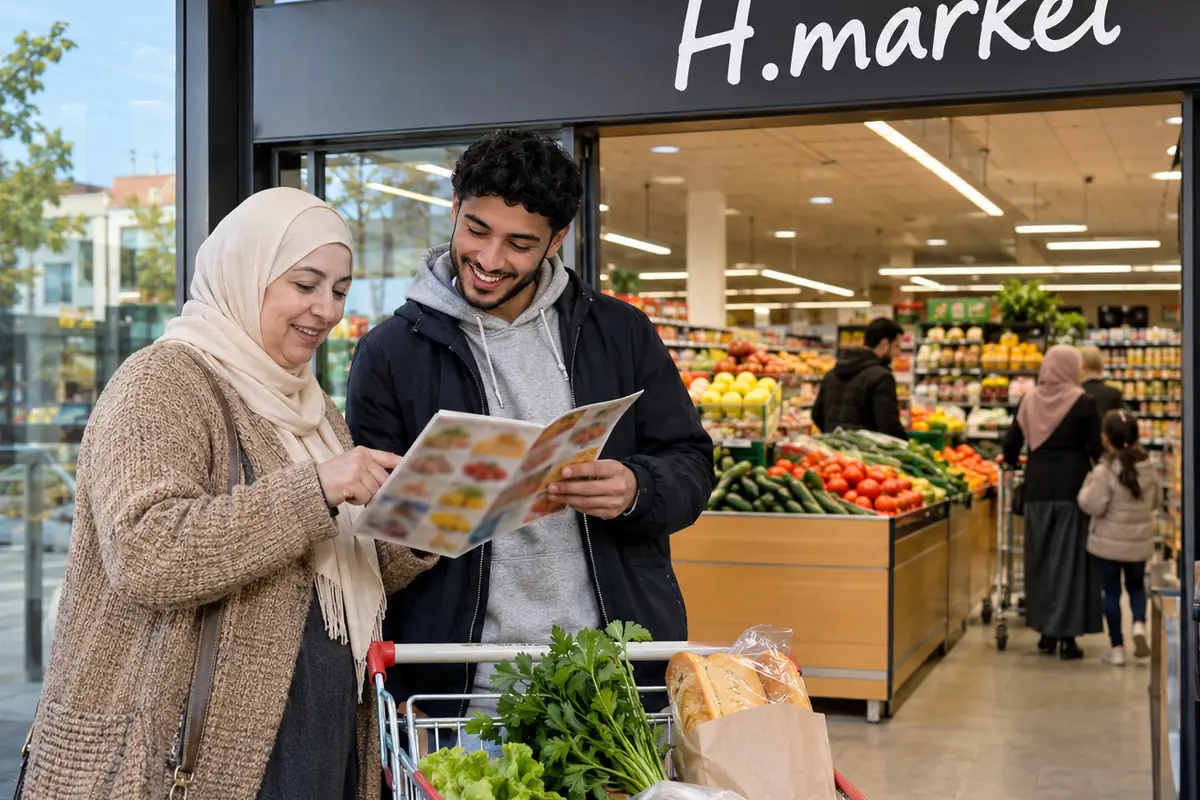
USA, New York City is a dense patchwork of neighbourhoods where a halal supermarket may occupy a corner storefront in Brooklyn, a wide-aisled store in Queens or a market in the Bronx serving West African, Arab and South Asian families. Halal groceries here range from fresh meat and produce to frozen foods, spices and bakery items, with prices and offers compared on foot, by subway or by delivery. Shoppers read certification marks, ask about slaughter and check ingredient lists before filling their bags.
Halal supermarket neighbourhoods in the five boroughs
New York's size means halal shopping is organised by neighbourhood rather than by city. Brooklyn has long-established Arab and South Asian streets, Queens hosts communities from Bangladesh, Pakistan, Afghanistan and Egypt, and the Bronx is home to many West African families whose markets sell their own staples.
Within these areas, the typical halal supermarket is smaller than a suburban store but packed with goods. Stacked crates, narrow aisles and a butcher counter at the back are common, and the front often carries produce displayed on the pavement. Locals walk in several times a week for fresh items.
Staten Island and parts of New Jersey across the water add further options, especially for residents who commute or own a car. Paterson and Jersey City, for instance, are well known for halal-friendly grocers, and some New Yorkers cross the river for particular products during festivals or large family events. Public transport links make these excursions realistic, and many families treat them as a pleasant day out rather than a chore.
Halal groceries from bodegas to butchers
The bodega is an institution in the city, and many corner shops in Muslim neighbourhoods stock halal chicken, frozen meat, rice, lentils, milk, bread and sweets. They rarely replace a full supermarket, yet they are essential for quick purchases, late-night needs and the personal service of a shopkeeper who knows each customer.
Dedicated halal butchers sell goat, lamb, beef and chicken cut to order, and they usually prepare minced meat, kebab cuts and bone-in portions for specific recipes. Customers often return to the same butcher for years, trusting both the supplier and the person behind the counter to follow requests carefully.
Specialty grocers add depth. A Turkish or Lebanese store sells olives, cheeses, flatbreads and syrups, a Bangladeshi market stocks river fish, mustard oil and fresh greens, and an Egyptian shop offers pickles, fava beans and fresh bread. Shoppers who like to experiment often explore several of these stores on a single afternoon. A single borough can therefore feed an entire world of halal cooking without leaving the neighbourhood.
Understanding halal labels in New York
Halal certification in the United States is private, so each shop relies on its suppliers and on the marks printed on packaging. Several national certifiers have recognisable symbols, and community members often trade tips on which ones they find most reliable for meat, cheese, snacks and frozen meals.
New York is also a kosher capital, and shoppers sometimes see kosher symbols near halal items. The two systems differ, and a kosher mark does not always satisfy halal expectations. Reading the actual halal statement, or asking the seller to show a certificate, resolves the doubt for any given product.
Street food adds another layer. Halal carts are a famous sight at busy corners, and their ingredients often come from the same wholesalers that supply neighbourhood shops. Customers interested in the source can ask where the chicken and lamb are purchased, and most vendors answer readily since reputation matters in a crowded city.
Chain supermarkets and warehouse clubs with halal products
Chain grocers operate throughout the city, and some of their stores in diverse areas stock halal-labelled poultry, frozen products and world-food aisles. Offerings differ by location, so a branch in Queens may carry items that a branch in Manhattan does not, and shoppers learn the pattern quickly.
Warehouse clubs on the edges of the boroughs and in New Jersey are popular with large households. Bulk sacks of rice, cooking oil, canned goods and frozen poultry reduce the number of trips, although getting heavy bags home without a car requires planning, such as ordering delivery or sharing a ride with relatives.
Organic and natural-foods stores serve a growing group of younger buyers who combine halal, ethical sourcing and ingredient transparency. These customers read labels carefully and may favour small farms or pasture-raised meat when it is certified. The variety of choices means everyone can find a store that suits a budget and a belief.
Shopping without a car: subway, carts and delivery
Most New Yorkers do not own a car, so groceries come home by hand, cart or delivery van. Shoppers choose stores within a short walk of the subway or bus stop, and they buy heavy items in stages. A foldable trolley is a familiar sight on pavements in every borough.
Delivery services are well developed. Online grocers, same-day couriers and neighbourhood stores with their own bikes bring orders to apartments, including walk-ups and high-rise buildings. Customers confirm the halal status of meat on the product page and make sure that cold items travel in insulated packaging.
Apartment living limits storage, which shapes buying habits. A small freezer holds portions of meat, and shelves house a careful selection of staples. Instead of one large weekly shop, many residents make frequent short trips, relying on corner stores for bread, milk, fresh herbs and vegetables.
Festivals, community life and seasonal food demand
Religious celebrations have a visible effect on grocery streets. During the fasting month, markets prepare iftar items such as dates, samosas, lentil soup, juices and sweets, and the hours after sunset are busy. Lines form at bakeries and butchers, and many shops extend their evening opening.
At the festival of sacrifice, butchers receive advance orders for lamb or goat, and families plan how to share and distribute the meat. Community organisations help coordinate, and some provide meals to people in need. Shopping becomes a social event, and conversations at the counter carry news from the neighbourhood.
Schools and universities also influence demand. Students from many countries look for familiar flavours near campus, and nearby grocers respond with ready meals, spices and snacks. This constant movement of newcomers keeps the supply of halal groceries lively and encourages small shops to expand their range.
Wholesale suppliers and starting points for newcomers
Wholesalers and distributors in the region supply the restaurants, carts and neighbourhood stores that make up the halal food scene. A few sell to individuals, though most serve registered businesses. Anyone planning a wedding or large gathering can ask a trusted butcher to arrange an order through established channels.
Newcomers usually start by asking neighbours, colleagues or imams where they buy meat. Most communities have an informal list of reliable shops, and following it avoids wasted trips. After a few visits, a shopper can compare quality, freshness and service and decide which stores deserve regular business.
Reading shelf labels, keeping receipts for large purchases and building a relationship with a butcher all help. In a city where thousands of shops compete for attention, trust is the most valuable currency, and customers who show interest in sourcing are generally taken seriously and treated well by shopkeepers.
Retailers and organisations to know
- Key Food — New York supermarket cooperative with neighbourhood stores across the boroughs, some stocking halal-labelled meat.
- C-Town Supermarkets — Independently owned grocery banner common in Brooklyn, Queens and the Bronx, with products for local communities.
- FreshDirect — Online grocer delivering across the New York area, with a meat selection that includes halal-labelled items.
- Costco — Warehouse club with locations around the city and in New Jersey, suited to bulk purchases of rice, oil and poultry.
- Whole Foods Market — Natural-foods grocer with stores in several boroughs and detailed sourcing information on meat labels.
- IFANCA — Islamic Food and Nutrition Council of America, a certifier whose logo appears on many packaged halal foods.
- Islamic Services of America — Halal certification body covering meat and processed foods distributed across the United States.