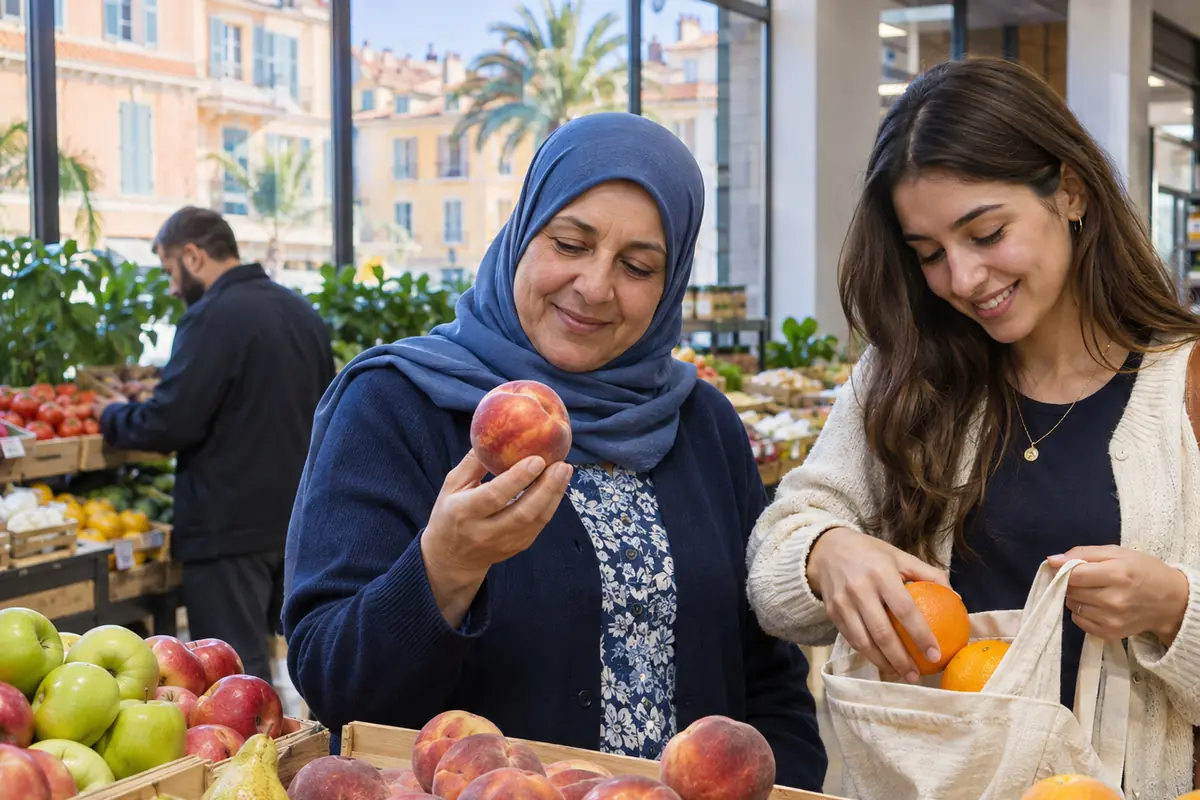
In Pickering, Ramadan market food means the groceries gathered for the evening and pre-dawn meals: dates, soup ingredients, bread, fruit, dairy and halal meat. Part of Durham Region on the eastern edge of the Greater Toronto Area, the city has a varied population and a suburban shopping pattern built around plazas, large supermarkets and independent grocers. Opening hours are fixed by each business, and many keep their doors open well into the night throughout the month, but arrangements are not identical everywhere, which makes a prior check worthwhile.
Ramadan market food on the Durham Region edge
Pickering lies between Toronto's eastern suburbs and the towns of Ajax and Whitby, and many residents move across those boundaries for work and errands. Their grocery routes follow the same pattern, stretching beyond city lines when a particular butcher or bakery is wanted.
Shopping tends to happen in plazas and shopping centres rather than along a single main street. Families know which plaza has the halal butcher, which has the produce-heavy grocery and which has the bakery with fresh flatbread.
Because so many people commute by car or by GO Transit, grocery stops are often fitted into the way home. That habit shapes the evening crowds seen in the month.
The lakefront and nearby conservation areas give the city a calmer feel than central Toronto, and many families treat the grocery run as part of an evening routine that ends with a walk or a visit to relatives close by.
Supermarkets, plazas and halal butchers
Chains with a broad Ontario footprint, including FreshCo, Food Basics, No Frills and Walmart Canada, supply staples at various price points. Their produce, dairy and bakery sections cover the bulk of what households need.
Halal meat is more often purchased at independent butchers and grocers, where certification is displayed and staff can answer questions about sourcing. Shoppers frequently build a relationship with one butcher and place orders ahead for larger gatherings.
South Asian, Middle Eastern and Caribbean grocers contribute spices, rice varieties, lentils, frozen snacks and sweets. Such shops are often found within the same plaza as bakeries and takeaway counters.
Bakeries deserve a mention here. Fresh naan, pita and sweet pastries are collected in the late afternoon, and regular customers often call ahead to reserve a batch so the best items are not gone by the time they arrive.
Iftar basics from dates to samosas
Dates are the first item most shoppers pick. Boxes of different varieties stand beside dried fruit and nuts in international groceries, and mainstream supermarkets add seasonal displays as the month draws near.
Fried snacks are a signature of many tables in the area. Samosas, pakoras and spring rolls are bought ready made or frozen, while the ingredients for chutneys, yoghurt dips and fresh salads fill the produce basket.
Drinks matter as much as food. Milk, rose or tamarind syrups, juices and water appear on lists, along with tea for the late evening, so the beverage aisle sees steady traffic.
Fruit chaat, melon slices and fresh orange juice are common additions. Shoppers pick seasonal fruit from produce stands inside the larger grocers, and imported mangoes, guavas and pomegranates appear whenever suppliers have them in good condition.
Ramadan market opening hours in the suburbs
Opening hours are set shop by shop. National supermarkets mostly keep their ordinary rhythm, whereas family-run grocers and butcher counters may stay open longer to catch people coming out after iftar.
The surest route is the shop's own web page, its map profile or a short telephone call. Information published for ordinary weeks may not apply, and holiday periods can alter schedules further.
Because plans differ, shoppers often keep a short list of backup stores nearby. If the first choice is closed or sold out, another plaza within a short drive usually has what is needed.
Posts on a shop's social media page or notices on the door are the usual ways owners share changes. Reading those just before a trip is more reliable than recalling what a store did in previous years.
Suhoor planning and freezer strategies
Early meals are simple and filling: oats, eggs, flatbread, cheese, beans, olives and fruit are typical. Parathas and rotis prepared in bulk and frozen turn a pre-dawn meal into a matter of minutes.
Households with long commutes into Toronto rely heavily on make-ahead food. Batches of lentils, curries or rice dishes are cooked on weekends and portioned out, so grocery visits are mostly for fresh bread, dairy and produce.
Winter weather can interrupt plans, so a well-stocked freezer and pantry offer a cushion. Cold-weather months favour soups and stews, while warmer ones lean toward salads and chilled drinks.
Dried goods are a quiet help. Rice, lentils, chickpeas, tea and pasta keep for months, so a stocked cupboard means one missed grocery run never disrupts the early meal for the family.
Evening crowds and parking
Plazas fill up late in the afternoon, when workers return from the city and head for the same stores at once. Checkout lines lengthen, and in-demand items such as bread, fresh meat and dates can run short.
Parking is usually easier at big-box locations, but lots near popular halal butchers can become tight. Some shoppers park once and walk between neighbouring stores to avoid circling.
Mid-morning visits are calmer, with shelves freshly stocked and shorter queues. People who work flexible hours often choose these windows, leaving the late afternoon to those with fewer options.
Public transit users plan differently. A bus or GO train ride limits how much can be carried, so many choose stores close to a stop and spread their buying across several shorter visits during the week.
Delivery, pickup and group orders
Grocery delivery and curbside pickup are widely used across Durham Region. Apps from the major chains and third-party platforms let households place orders in advance and choose a slot that suits their day.
Halal meat is not always sold through those apps, so families often combine an online order for dry goods and produce with a direct call to a butcher for fresh cuts. Larger gatherings are typically arranged days ahead.
Neighbours and relatives sometimes coordinate shared orders, splitting bulk purchases of rice, oil, dates and flour. This approach cuts down on trips and often suits families who live close together.
Delivery fees and minimum orders vary by service, and shoppers often compare options before committing to a regular arrangement. A simple weekly order for heavy items, with butcher visits as needed, suits many households.
Reading labels and choosing certified food
Careful shoppers examine packaging for a halal certification mark and read ingredient lists for pork-derived gelatin or alcohol. When meat is sold unlabelled, they ask staff how it was sourced.
Certification bodies active in Canada publish lists of approved products and companies, which can help with unfamiliar brands. Checking such a source takes only a moment and prevents uncertainty at the register.
For a dependable base, many families lean on simple foods: fresh fruit and vegetables, dates, plain dairy and dried legumes. These items seldom raise questions and fill much of the table.
Community noticeboards and group chats help as well. Neighbours share tips on which store restocked dates, which butcher has fresh cuts, and which grocer received a new delivery of produce, saving time for everyone involved.
Retailers and organisations to know
- FreshCo — Ontario grocery chain with produce-focused stores and international items across the Greater Toronto Area.
- Food Basics — Discount supermarket chain with locations in Durham Region for everyday staples.
- No Frills — Discount grocer offering basics, dairy and fresh produce at stores around the eastern GTA.
- Walmart Canada — National retailer with large grocery sections for rice, flour, oils, canned goods and frozen foods.
- Costco Canada — Membership warehouse where families buy dates, rice and bulk staples for the month.
- Instacart Canada — Grocery delivery and pickup platform linking shoppers with local supermarkets.
- ISNA Canada Halal Certification — Canadian halal certification service whose mark appears on various packaged foods.