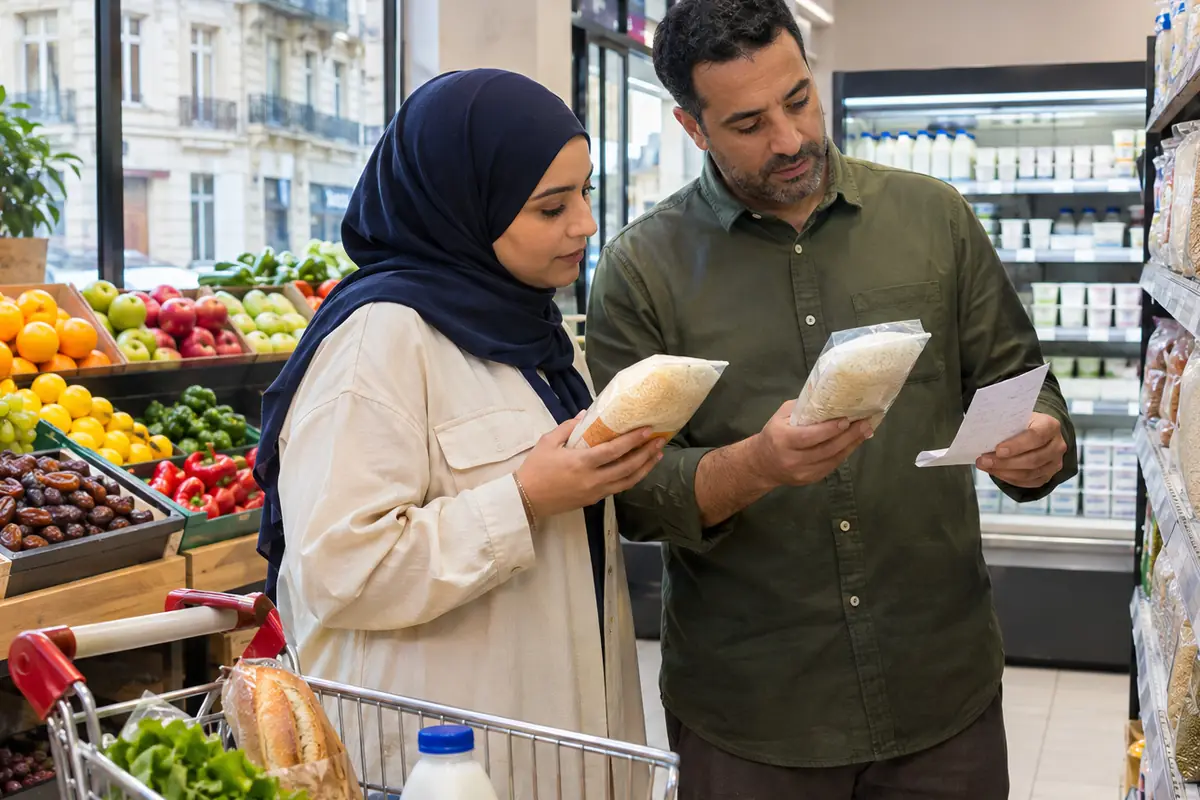
In the UK, Liverpool's halal supermarket landscape grows out of one of Britain's oldest Muslim communities, rooted in port-city history and later joined by families from Yemen, Somalia, Pakistan and North Africa. Grocers and butchers in Toxteth, Wavertree and Kensington sit alongside national chains that stock halal meat and world foods. Shoppers buy staples such as rice, pulses, spices and frozen goods, carefully compare prices and offers between independent shops and discounters, and read certification labels before choosing a supplier.
Halal supermarket shopping in a historic port city
Liverpool's Muslim history reaches back to the nineteenth century, when sailors, merchants and converts established prayer spaces near the docks. That long presence means halal food has been sold in the city far longer than in many other parts of Britain, and it shows in the number of established family businesses.
Today the city's halal shopping is shaped by communities with roots in Yemen, Somalia, Pakistan, Bangladesh and the Arab world, as well as by students and hospital staff. Each group brings its own preferred ingredients, so shops tend to specialise in particular regional products.
A visitor will find halal food in three main settings: neighbourhood grocers and butchers, larger specialist supermarkets, and the halal sections of national chains. Knowing which setting suits a given need, whether fresh goat meat or a brand of tea, saves a lot of walking.
Unlike cities where a single street dominates, Liverpool's halal shops are spread across several districts. Planning a route with a bus pass or a car and a short list of stops is usually more efficient than wandering from one parade to the next.
Toxteth, Granby Street and Smithdown Road
Toxteth, and Granby Street in particular, has been a centre of Muslim life for generations, with mosques, cafes and grocers within a short distance of each other. Shoppers there find fresh bread, halal meat, spices and vegetables from a variety of cultures, often from long-established shops.
Smithdown Road, running through Wavertree and Toxteth towards the university districts, has a mixed high street where halal butchers and grocers sit beside student cafes and convenience stores. It is popular with young people who want cheap, familiar food near their accommodation.
Yemeni and Somali shops add distinctive items such as ghee, honey, flatbreads and particular spice blends. Customers who cook regional dishes often make a special trip for these products, since larger supermarkets rarely stock them in the same variety.
Wavertree and Kensington extend the choice further east, where family-run grocers serve a mix of long-term residents and newer arrivals. Shops in these areas often keep long hours, and their fresh vegetable displays on the pavement are a familiar sight on busy afternoons.
Halal groceries for family kitchens and student flats
For a typical household, halal groceries in Liverpool begin with fresh chicken, lamb and sometimes goat, then extend to rice, flour, lentils, tinned beans, tomatoes, cooking oil and tea. Specialist shops often sell rice in large sacks, which suits families that cook every day.
Student flats operate differently. Residents tend to buy smaller portions, frozen chicken, noodles, eggs and pasta, and they rely on convenience stores and discounters for most of their shopping. Halal-labelled products in such stores are useful, though ingredient lists still need checking.
Fruit and vegetables are available from greengrocers, supermarkets and city centre market stalls. St John's Market, in the heart of the city, adds a covered space where traders sell fresh produce and everyday items, and some shoppers combine a visit there with other city-centre errands.
Bakery goods deserve a mention, since fresh flatbreads, pastries and sweets are baked locally by several shops. Buyers confirm that fats and flavourings are acceptable, and bakers who serve the community are familiar with such questions.
Understanding halal labels and who certifies them
Liverpool stores rely on private certifiers, since the state does not run any halal approval scheme in Britain. Certifier logos turn up on many packs, yet every body applies its own slaughter and processing standards, so two halal labels do not always mean exactly the same thing.
Liverpool butchers often name their suppliers, and some display certificates on the wall. Customers who have questions about stunning or origin can ask at the counter, and a transparent answer is usually a good sign of a trustworthy business.
Beyond religious certification, general hygiene and labelling are the concern of the local council and the Food Standards Agency. Hygiene ratings are available online, giving shoppers an extra source of reassurance before they buy from an unfamiliar shop.
Packaged products from major brands may carry a halal logo on the front, while own-brand items sometimes list their status only in small print. Taking a moment to find the certifier's name avoids confusion, especially for frozen chicken products and ready-made sauces.
Prices, discounts and weekly offers
Liverpool households watch prices closely, and the presence of discounters such as Aldi and Lidl in most districts keeps pressure on larger chains. Halal specialists compete by offering bulk deals, loyalty cards and reductions on staples, which change from week to week.
Comparing unit prices rather than pack prices is the most reliable way to spot value. A big bag of rice that looks expensive at the till may cost less per portion than a small bag on promotion, and the shelf ticket always shows the comparison.
Reduced items near their date can be useful for meat that will be cooked or frozen immediately. Households that cook in batches often use such offers well, while those without freezer space may find they save little in practice.
Prices of in-season fruit and vegetables swing the most, and stallholders sometimes cut their prices towards closing time to sell what is left. Shoppers with flexible plans pick up good produce this way and then cook it the same evening.
National chains, wholesalers and bulk purchasing
Tesco, Asda, Morrisons and Sainsbury's all operate stores across Merseyside, and ranges of halal chicken, lamb and world food differ between them. Larger branches near densely populated districts usually offer broader choice than those on quieter retail parks.
Wholesalers such as Booker supply restaurants and small shops, and independent cash and carry warehouses serve families and caterers. Anyone planning a wedding, funeral gathering or large Eid lunch can compare quotes from several suppliers before ordering bulk quantities.
Delivery is possible from several supermarkets and from specialist online halal butchers. Customers compare delivery fees, chilled packaging and substitution policies, and many choose to decline automatic replacements for meat so that certified products are not swapped for unmarked ones.
Festivals, football weekends and the rhythm of shopping
Ramadan and Eid transform shopping patterns. Shops stock extra dates, juices, samosa pastry and sweets, and butchers take advance orders for larger cuts. Customers who place orders early find the best choice and avoid the long queues that form on the last days before the festival.
Match days at Anfield and Goodison Park also affect traffic in the north and east of the city. Shoppers who need to cross town by car sometimes plan around kick-off times, choosing earlier hours for meat purchases and heavy groceries.
Dock-side weather and coastal winds can make carrying bags unpleasant, which is one reason many people use delivery slots in winter. A few households coordinate by sharing a delivery with neighbours, which saves on fees without changing the quality of the shop.
Retailers and organisations to know
- Tesco — National supermarket with halal packaged meat and world food ranges in several Merseyside stores, and delivery across Liverpool.
- Asda — Large supermarket group stocking halal chicken, lamb and South Asian ingredients in Liverpool branches.
- Morrisons — Chain with big-format stores in Merseyside and fresh meat counters in selected branches.
- Aldi — Discount grocer used for dairy, tinned goods and produce in most Liverpool districts.
- Lidl — Discounter with city branches, popular with students and families for budget groceries.
- Booker — Wholesaler supplying restaurants, shops and caterers with rice, oil and frozen goods.
- Halal Monitoring Committee — British halal certifier whose mark appears on meat and prepared foods sold in the city.