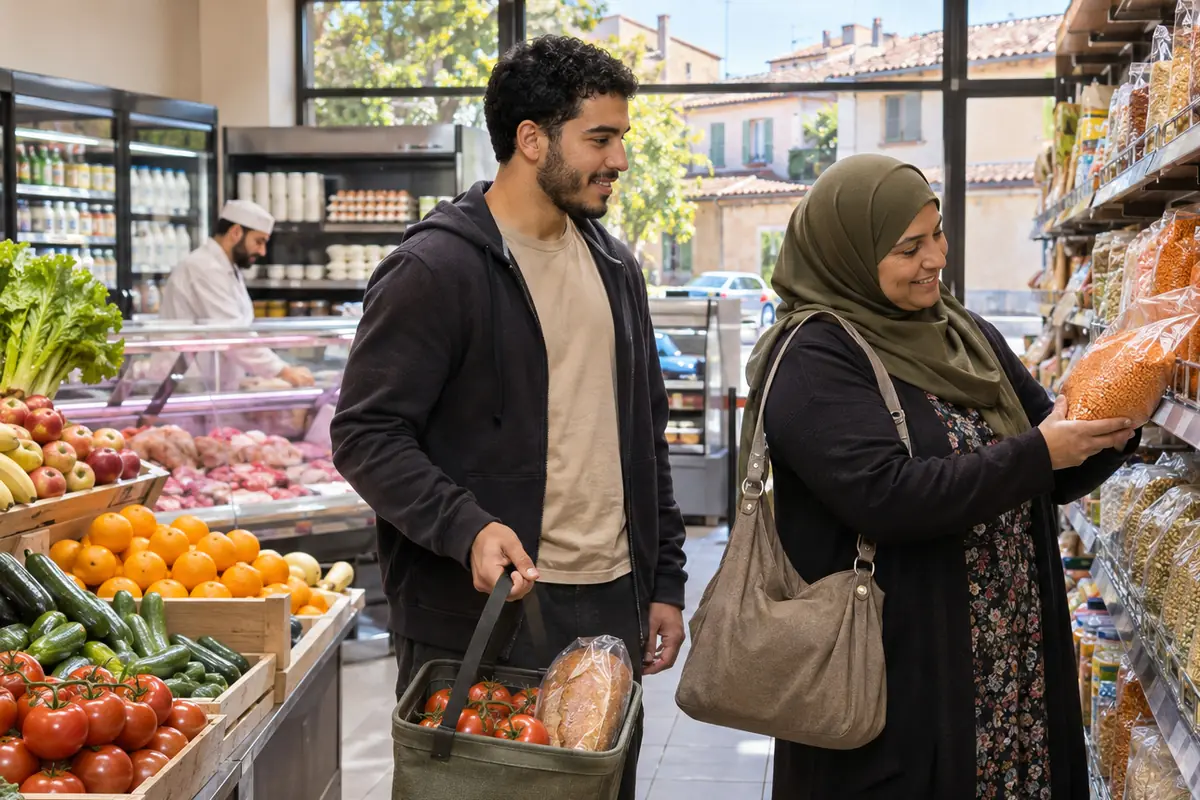
In Boston, Ramadan market food and opening hours reflect a small, easily walked core ringed by suburbs where Somali, Moroccan, Egyptian, Bangladeshi, Pakistani, Turkish and wider Arab families have settled. Shoppers there combine regional supermarkets, halal butchers, Middle Eastern and African groceries and the open-air stalls near Haymarket. Cold weather in some seasons shapes habits, and stores often adjust trading rhythms for the fasting month, so busy families plan carefully around iftar, suhoor, working hours, long commutes and the changeable New England weather.
Boston neighbourhoods and the fasting-month rhythm
Greater Boston is a patchwork of dense neighbourhoods rather than one shopping centre, and Ramadan routines follow that pattern. Residents of Dorchester, Roxbury, Mattapan and Allston often buy close to home, while families in suburbs such as Quincy, Malden and Lowell tend to drive to larger stores with parking. Parking, weather and work schedules all play a part in where a family finally buys.
Many students at the region's universities also observe the month, and they shop differently from households with children. Smaller baskets, quick pickups and shared meals at community centres are typical, and campus-area grocers see demand for rice, lentils, dates, canned beans and easy-to-cook protein.
Public transport shapes plans as well. People who ride the subway or buses usually shop on the way home and carry only what they need, leaving heavier purchases for weekend car trips. This creates a pattern of light daily stops and larger weekly refills. Weekend errands then fill the gaps left by weekday shortcuts.
Ramadan market stalls and open-air produce shopping
Boston's best-known open-air produce market is the Haymarket area near the Greenway, where vendors sell fruit and vegetables from outdoor tables. Fasting customers often come for tomatoes, cucumbers, herbs, citrus and bananas by the crate, as vendors keep a brisk, lively pace and many buyers purchase in volume.
Quality varies from stall to stall, so experienced buyers look at colour, firmness and aroma before filling a bag. Bringing sturdy bags, arriving early and comparing a few vendors is a long-standing habit, and it works equally well for people preparing large iftar gatherings. Patience at the busiest stalls is rewarded with better prices on larger quantities, according to many regulars.
Beyond that market, farm stands and seasonal outdoor markets around the region offer produce when the weather allows. Because the fasting month moves through the calendar, the availability of local fruit and vegetables changes from one year to the next, which is why shoppers keep a flexible mind when making lists.
Supermarket chains and halal departments
Regional chains play a central role in New England grocery shopping. Market Basket, Stop & Shop, Star Market and Whole Foods Market are common names, and shoppers use them for dairy, produce, bread, tinned goods and pantry staples. Ranges linked to the fasting month often include dates, nuts, juices and spices, depending on the branch. Branch size matters, since bigger stores usually stock more variety.
For halal meat, many people prefer dedicated shops, and several areas have butchers and grocers that sell labelled halal chicken, lamb and beef. Some larger stores also carry packaged halal products in the ethnic foods aisle, though the choice differs widely between locations.
Checking labels is part of the routine. Buyers often look for a recognisable halal certification mark, the slaughter information where given, and ingredient lists that avoid pork derivatives and alcohol. If a label is vague, asking at the counter or choosing a different product is a straightforward approach. Many regular shoppers photograph labels they trust for later reference.
Halal butchers, bakeries and community grocers
Butcher shops cater to the preparation of traditional dishes such as lamb stew, grilled chicken, kofta, goat curry and spiced rice. Many will cut meat to order, grind it fresh or marinate it on request, and busier customers often phone ahead to reserve their cuts for the evening. Staff at these counters often know regular customers by name.
Neighbourhood bakeries sell flatbreads, sesame rolls, pita, samosas and sweet pastries that many households expect on the iftar table. Somali, Arab, Turkish and South Asian grocers add spices, ghee, tea, sambusa wrappers, dried limes and other ingredients that mainstream chains rarely stock in depth.
Because each community brings its own favourite dishes, a single street can feel very different from the next. Shopping in a mix of places is common, with one trip for meat, another for bread and a third for produce, and the result is a varied and richly flavoured family meal.
Dates, soups and the iftar basket
Dates open the meal for most households, and shops sell them loose, boxed or in assorted trays. Medjool, Ajwa, Deglet Noor and Sukkari are widely recognised types, and buyers compare softness and sweetness to suit family taste. Milk, water and juice usually sit beside them in the basket. Many households keep a few spare packs for unexpected guests.
Soup is another staple during the colder months in New England, and ingredients such as lentils, chicken, carrots, celery, onions and herbs fill many trolleys. Harira, shorba and chicken noodle versions all appear, and families often cook a large pot to last several evenings.
Fresh fruit, salads, yoghurt, olives, cheeses and desserts complete the basket. Sweet items such as baklava, kunafa and fried pastries are popular for gatherings. Since many of these foods are best fresh, people usually shop for them in small amounts and store the rest carefully.
Ramadan food and opening hours through the evening rush
Opening hours around Boston differ by owner, neighbourhood and store type. Some independent shops extend their evenings, others open later in the morning, and many keep their normal schedule. Because there is no single rule, shoppers confirm details through store websites, phone calls or posted signs before heading out. A short call before leaving home avoids disappointment.
Large supermarkets usually list branch information on their apps and websites, making it easy to compare. Smaller businesses often rely on social media pages or notices in the window, and community groups pass along updates in messaging chats, which is why local word of mouth stays so valuable.
The hour before sunset is typically the busiest, with queues at butcher counters and bakeries. Weather can also change plans, since snow or heavy rain affects travel. Shopping earlier in the day, using delivery or ordering ahead can make the whole process calmer for people who are fasting.
Delivery services and planning ahead in New England
Grocery delivery is widely used in Greater Boston, with platforms such as Instacart and the online services of major chains covering many areas. Some halal butchers and grocers also arrange their own deliveries or pickup, giving busy families another route to keep the pantry stocked. Substitutions can be set in advance within the app.
Winter weather makes delivery especially appealing in some seasons, because icy pavements and early darkness complicate errands. Orders placed ahead with a clear list of substitutions generally work best, and shoppers often include a note stating that products must be halal-labelled.
Freezer space is a quiet ally. Many families prepare meatballs, spiced mince, dough and soups in advance, then reheat them on busy days. This kind of planning pairs well with weekly shopping and leaves evenings free for prayer, community meals and time with relatives.
Retailers and organisations to know
- Market Basket — New England supermarket chain with branches around Greater Boston, often used for produce, dairy, rice, beans and everyday cooking ingredients.
- Stop & Shop — Regional supermarket chain offering online ordering and delivery in many Massachusetts communities, including staples for fasting-month meals.
- Star Market — Supermarket brand with stores across the Boston area, handy for bread, dairy, fruit and vegetables on the way home.
- Whole Foods Market — Natural and organic grocery chain with Boston-area branches, popular for dried fruit, nuts, fresh produce and prepared foods.
- Haymarket Boston — Open-air fruit and vegetable market beside the Greenway, known for bulk produce sold from outdoor stalls.
- Instacart — Grocery delivery platform used across Greater Boston to order from local supermarkets and specialty stores.
- Islamic Food and Nutrition Council of America — Halal certification organisation whose marks appear on many packaged foods, helpful when reading labels.