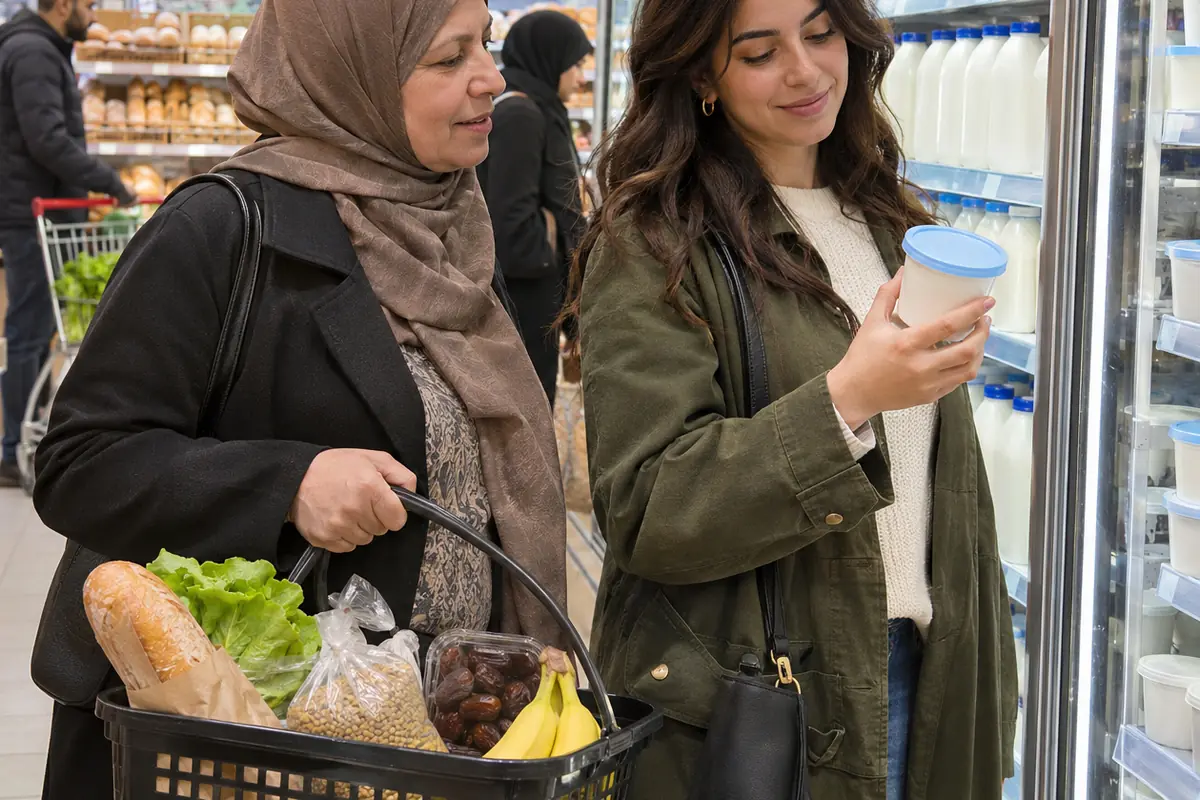
In the USA, a halal supermarket is a grocery store whose meat, poultry and packaged foods meet Islamic dietary requirements, usually shown through a certification mark and a clear slaughter statement. Such stores range from neighbourhood markets in Houston, Chicago, Dearborn and New York to regional chains of South Asian and Middle Eastern groceries. Prices and offers depend on the city, the banner and the supply route, which is why shoppers compare unit prices, certificates and weekly specials before committing to a regular store.
The American landscape of halal supermarket groceries
American halal retail grew alongside immigration from South Asia, the Arab world, Turkey, Somalia and West Africa. Shops opened in neighbourhoods where those communities settled, and many started as small butchers before expanding into full grocery stores with produce, bakery and frozen sections.
Because the country is so large, availability varies sharply between regions. Metropolitan areas on both coasts, the Great Lakes and Texas offer many competing stores, while smaller towns may depend on one market, a mail-order butcher or a monthly trip to a larger city.
Mainstream grocers have also noticed the demand. Some national retailers stock halal chicken or packaged lines in branches near large Muslim populations, although the range is usually narrower than in a dedicated halal market.
Parking, store size and opening hours shape habits in a car-centred country. Suburban shoppers often drive to a large halal market once a week and stock the freezer, whereas city residents walk to a smaller store several times a week for fresh bread, herbs and vegetables.
Cities and neighbourhoods known for halal grocery shopping
Dearborn in Michigan is widely associated with Arab American food, bakeries and supermarkets. Chicago's Devon Avenue area is known for South Asian grocers, while Astoria, Brooklyn and Paterson in the New York area combine Turkish, Egyptian, Bangladeshi and Pakistani stores.
Houston and Dallas serve large, varied communities with big-box ethnic markets and halal butchers, and Southern California has strong Middle Eastern and Afghan retail. Minneapolis and Columbus reflect Somali and East African buying habits, with their own spice mixes and flours.
Each district gives the banner a slightly different personality. A shopper moving cities will find different breads, cheeses, rice varieties and meat cuts, even under a similar halal label.
Student towns and military bases also generate demand. Campus neighbourhoods often host small halal grocers and food trucks, and families posted far from big cities frequently rely on online ordering and informal community networks to reach reliable suppliers.
How halal grocery prices compare across stores
Prices vary with rent, supplier relationships and store size. Large ethnic supermarkets often win on rice, lentils, spices and produce through bulk buying, while smaller halal butchers may charge more for freshly cut meat but offer customised service and traceable sourcing.
Comparison works best at the level of unit price. Cost per pound or per ounce, checked on a few repeated items such as chicken, rice and cooking oil, shows more than a single promotional sticker, and it reveals when a larger pack truly saves money.
Regional logistics matter as well. Stores far from import hubs pay more to receive specialty items, and shoppers in such areas often accept higher prices on imported goods while paying less on locally sourced produce.
Sales tax rules on groceries differ between states and sometimes between cities, which affects the final receipt. Comparing the total at the register, instead of the shelf label alone, gives a more honest view when a household shops in more than one jurisdiction.
Weekly offers, coupons and holiday promotions
Many American grocers publish a weekly circular through their app, website or in-store flyer. Halal and ethnic markets use similar tools, often advertising a handful of loss-leader items such as whole chickens, rice sacks or bunches of herbs to bring customers through the door.
Ramadan and Eid trigger the largest promotional cycles. Dates, nuts, sweets, frozen appetisers and meat for family feasts take prime space, and some stores take advance orders for whole lambs or goats to be prepared for celebrations.
Digital coupons and delivery-app promotions add another layer. Eligibility, minimum spending and expiry dates differ between programmes, so reading the conditions before relying on a deal prevents disappointment at the checkout.
Bulk sales deserve a note of caution. A large sack of rice or a case of frozen chicken only saves money if it is used before it spoils, so families weigh storage space and cooking frequency against the discount offered on larger quantities.
Halal certification and labelling in the United States
Several private organisations certify halal products, including the Islamic Food and Nutrition Council of America and the Halal Food Standards Alliance of America. Their logos appear on packaging, and some stores display certificates for the butchers and processors they use.
Federal rules govern general food labelling and meat inspection, but halal is not a single government-defined category, and some states have their own labelling laws. Shoppers therefore pay attention to who certified the product and what exactly that certificate covers.
Scrutiny of ingredients is routine for careful households. Gelatine, rennet, flavourings containing alcohol and emulsifiers of uncertain origin are common reasons to read the fine print on yogurt, candy, snacks and baked goods.
Apps that scan barcodes and list ingredients can speed up checks, but they do not replace a certificate. Many shoppers simply stay loyal to a short list of products they have already verified, then review that list whenever a manufacturer changes a recipe or a supplier.
Meat, poultry and frozen specialities
Chicken, lamb, beef and goat form the core of a halal butcher counter, and a number of American brands supply certified poultry to grocery chains across the country. Some butchers also sell cuts for regional dishes such as biryani, kofta, shawarma and stews.
Frozen aisles hold paratha, samosas, falafel, kebab patties and seafood, which make quick weeknight meals easy to prepare. Because freezer capacity at home limits stockpiling, shoppers often split purchases between a weekly fresh visit and monthly frozen top-ups.
Questions about origin and processing are normal in this part of the store. Reputable counters answer them openly and keep paperwork available for customers who ask to see it.
Wholesale clubs, ethnic chains and online delivery
Wholesale clubs and restaurant suppliers sell bulk rice, oils, flour and frozen goods that suit large families and community events. Membership rules differ, so newcomers should confirm whether a business licence or a paid membership is needed.
South Asian grocery chains operate across many states and are popular for staples, spices, produce and snacks, with halal meat available in many but not all locations. Checking the meat counter separately is wise before assuming a whole store is halal.
Delivery platforms and mail-order butchers extend access to rural areas. Shipping charges, packaging and cold-chain reliability vary, which makes comparison between providers just as important as comparing shelf prices.
Smart habits for halal shopping in America
A reliable routine combines one primary store for fresh items with occasional visits to a larger market or club for stocking up. Keeping a list of trusted certifiers and frequently purchased brands saves time when a new store is unfamiliar.
Receipts and photographs of shelf labels help track prices over several weeks, revealing which store actually offers consistent value rather than occasional bargains. Families sharing bulk purchases can further reduce the cost per household.
Community groups, mosque bulletin boards and local social media pages often highlight new openings and trustworthy butchers. Combining those recommendations with personal inspection of cleanliness and labelling builds confidence over time.
Retailers and organisations to know
- Patel Brothers — Large Indian grocery chain with stores in many states, known for spices, lentils, rice and produce.
- Midamar Halal — Iowa-based supplier of halal beef, lamb and chicken to retailers, restaurants and food service across the country.
- Crescent Foods — Producer of halal-certified chicken sold in grocery stores and halal markets in many states.
- Restaurant Depot — Membership-based wholesale supplier of bulk groceries, meat and frozen goods for businesses and community kitchens.
- Instacart — Grocery delivery platform connecting households with local supermarkets and ethnic grocers in many metropolitan areas.
- Islamic Food and Nutrition Council of America — Halal certification organisation whose mark appears on many American food products.
- Halal Food Standards Alliance of America — Certification body that audits halal slaughter and processing for American producers.