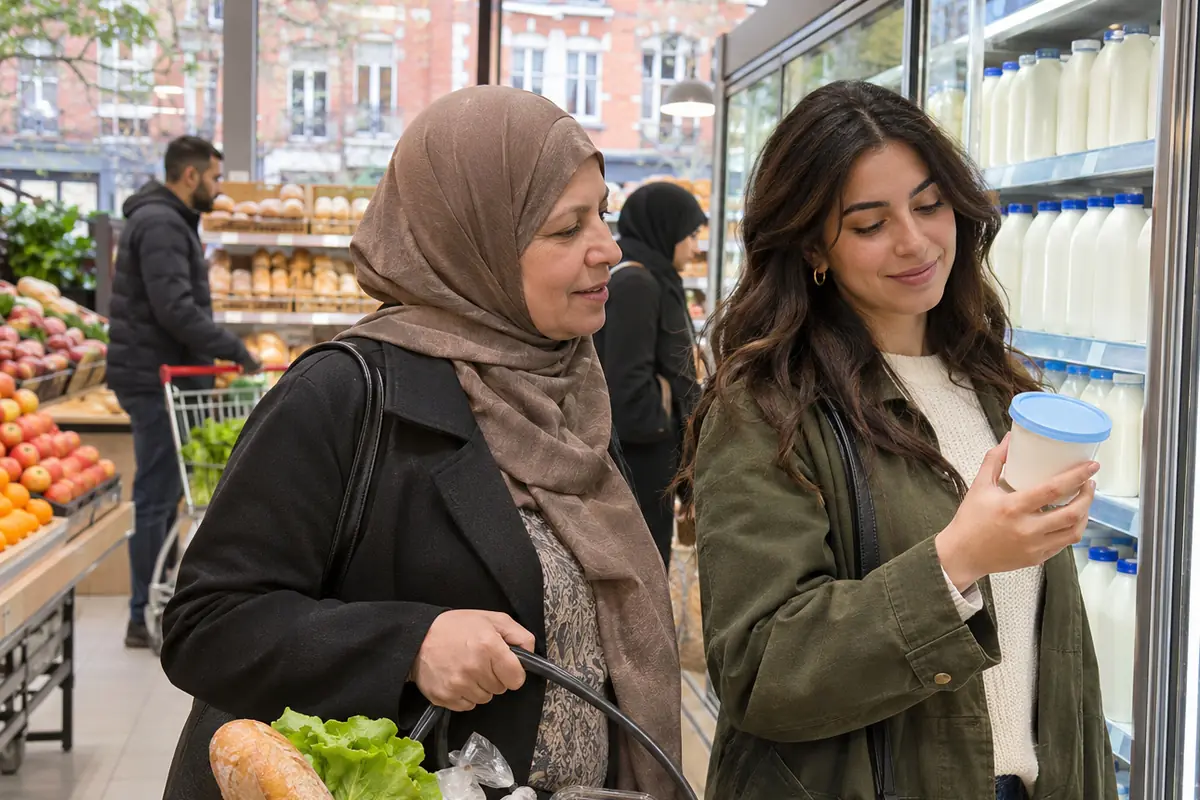
In Chicago, Ramadan market food and opening hours are shaped by one of the largest and most varied Muslim communities in the American Midwest. Chicago families range from the shoreline districts up the bustling retail strips toward the southwest suburbs, comparing halal butchers, Arab and South Asian grocers, bakeries and major supermarket banners along the way. Because the fasting month brings later evenings of cooking and visiting, many stores adjust their routines, and families plan each trip around iftar, suhoor, work and winter or summer conditions.
Chicago neighbourhoods and the fasting-month routine
Chicago is built on a grid of busy avenues, and each community has its own shopping streets. Residents of Rogers Park, Albany Park, Lincoln Square and Bronzeville buy near home, while families in the southwest suburbs often make a longer drive to a favourite butcher or bakery and stock up for several days. The elevated train and buses link many of these districts, though a car remains handy for bulky loads.
Many households blend traditions. Somali, Bosnian, Palestinian, Indian, Pakistani, Bangladeshi, Nigerian and African American families all share the city, and their tables look different even when the fasting rhythm is the same. This diversity keeps grocers busy and encourages a wide range of imported foods. Shops respond by stocking an impressive range of spices and regional specialities.
The Midwestern climate adds a practical layer. Long winter evenings and snow can complicate errands, while summer heat favours quick stops and cold drinks. Most people therefore combine a larger weekly shop with short trips for bread, herbs and yoghurt as the days go by.
Ramadan market strips and community shopping avenues
Devon Avenue in West Rogers Park is well known for South Asian shops, sweet houses, spice dealers and restaurants, and during the fasting month it feels especially lively near sunset. Visitors browse fabrics, snacks, dried fruit and sweets while families collect ingredients for gatherings. Evenings there feel festive, with music and the smell of grilled food drifting from open doorways.
Southwest of the city, the Bridgeview and Chicago Ridge area is closely tied to Arab American life, with bakeries, grocers, butchers and sweet shops catering to Palestinian, Syrian, Jordanian and Lebanese households. Many people drive there from across the region to buy kunafa, labneh, olives, dates and flatbread. Early shoppers often leave with the best selection of pastries.
Other neighbourhoods have their own pockets of halal shopping, including parts of Albany Park, the northwest side and the south suburbs. Because crowds and parking vary, locals often visit at quieter times and call ahead to confirm that their preferred meat or bakery item is ready.
Supermarkets, big-box stores and specialty chains
Jewel-Osco, Mariano's, Aldi, Walmart and Whole Foods Market are familiar sights in the Chicago area, and shoppers use them for staples, dairy, fruit, vegetables and household items. Branch ranges around the fasting month vary, and larger stores often carry dates, nuts, juices and international goods more prominently. Some branches also keep prayer-friendly timings in mind when arranging staffing.
South Asian and Middle Eastern supermarkets expand the choice dramatically. They stock rice in large bags, lentils, ghee, spices, frozen parathas, canned chickpeas, fresh herbs and packaged halal meat. Many customers rely on them for the big monthly list and use mainstream chains for fresh convenience items. Staff in these stores are usually glad to point visitors toward unfamiliar products.
Label checks are routine. People look for a halal certification mark, the slaughter details where provided and an ingredient list that avoids pork and alcohol. When a label is unclear, they ask in store or select a different product, which many buyers regard as the safest and simplest policy.
Halal butchers, bakeries and sweet shops
A trusted halal butcher is central to many Chicago kitchens. Lamb for slow-cooked dishes, chicken for grills, minced meat for kofta and goat for curries are common requests, and shops will often cut, trim or marinate on demand. Regular customers sometimes reserve portions ahead for busy evenings. Early orders before weekends and family gatherings are therefore a common habit.
Bakeries add the daily bread, from Arab pita and Afghan naan to Turkish simit, Pakistani roti and Somali canjeero ingredients. Pastry shops sell baklava, kunafa, samosas, jalebi and other sweets that complete the iftar spread, and many see their strongest demand in the hours before sunset. Warm bread bought just before sunset is a small pleasure many families treasure.
Beyond these, small grocers sell herbs, pickles, tahini, dried limes, rose water, tea and spice blends. Because they serve specific communities, owners often give useful advice on recipes and substitutions. This personal service is one reason many families remain loyal to neighbourhood shops despite the convenience of chains.
Dates, soups and iftar staples
Dates are the first bite of the meal in countless Chicago homes, and shops stock many types, from Medjool and Sukkari to Ajwa and drier varieties. Buyers consider softness, sweetness and freshness, and they pick quantities to match family size and expected guests. Many households keep a small stock of extra packs for last-minute visitors.
Soup, salad and bread usually come next. Lentil soup, chicken broth, tomato-based shorba and creamy mushroom or vegetable bowls are popular in the colder months, while cucumber, mint, yoghurt and fresh fruit appeal when the weather is warm. Lemons, parsley, mint and cilantro are in constant demand. Fresh herbs, lemon and a drizzle of olive oil finish many dishes beautifully.
Main dishes vary widely, so baskets differ too. Biryani, grilled kebabs, stuffed vine leaves, rice with lamb, jollof and stews all make an appearance. Families that host large gatherings often add trays of fried snacks and desserts, and they buy ingredients in bulk at wholesale-style stores.
Ramadan opening hours and the evening rush
Opening hours depend on the owner and neighbourhood. Some independent shops stay open later during the month, others open later in the morning, and national chains tend to follow their standard schedules. Because arrangements vary, shoppers check websites, social media pages or window notices before leaving home. It is also wise to ask whether a shop plans any short closures during the month.
Evenings often bring crowds at butcher counters, bakeries and sweet shops, especially on commercial avenues. Arriving earlier in the day usually means shorter queues, a fuller selection and easier parking, and many people use lunch breaks or morning errands to handle the most important purchases. Honest, up-to-date notices from shopkeepers are always appreciated.
Weather again plays a role. Snow, ice and cold winds can slow public transport and traffic, and the transit system may run differently at peak times. Having a stocked pantry, a freezer with prepared meals and a plan B for delivery makes the schedule easier to manage.
Delivery, bulk buying and planning in the Midwest
Grocery delivery is widespread across the Chicago area. Instacart, Walmart and major supermarket chains offer pickup or home delivery, and many halal grocers take phone orders or run their own local routes. This service is particularly valuable for older relatives, parents with young children and shift workers. Delivery windows are best booked early, since popular slots fill quickly.
Bulk buying is a long-standing habit, especially for rice, flour, oil, lentils, dates, tea and frozen items. Wholesale-style stores and large ethnic supermarkets help households cut the number of trips, leaving more free time in the evenings for prayer, community meals and family visits. Storage space at home is the only real limit to this strategy.
Meal prepping completes the picture. Soups, marinated meats, dough and spiced fillings are often prepared in advance and frozen, then used on busy days. Combined with a flexible approach to hours and weather, this routine keeps the shopping side of the fasting month calm and manageable.
Retailers and organisations to know
- Jewel-Osco — Supermarket chain with many Chicago-area branches and online ordering, handy for dairy, produce, rice and everyday pantry items.
- Mariano's — Chicago-area grocery chain known for large stores with fresh produce, bakery counters and prepared foods.
- Aldi USA — Discount supermarket chain with branches around the region, popular for staples, nuts, dried fruit and basic produce.
- Patel Brothers — South Asian grocery chain with a presence on Devon Avenue and in suburbs, carrying lentils, spices, rice, flour and frozen foods.
- Tony's Fresh Market — Regional grocery chain in the Chicago area offering a wide produce section and international food aisles.
- Instacart — Delivery platform serving Chicago and its suburbs, letting households order from supermarkets and specialty grocers.
- Islamic Food and Nutrition Council of America — Halal certification organisation based in the Chicago area, whose marks appear on many packaged foods.