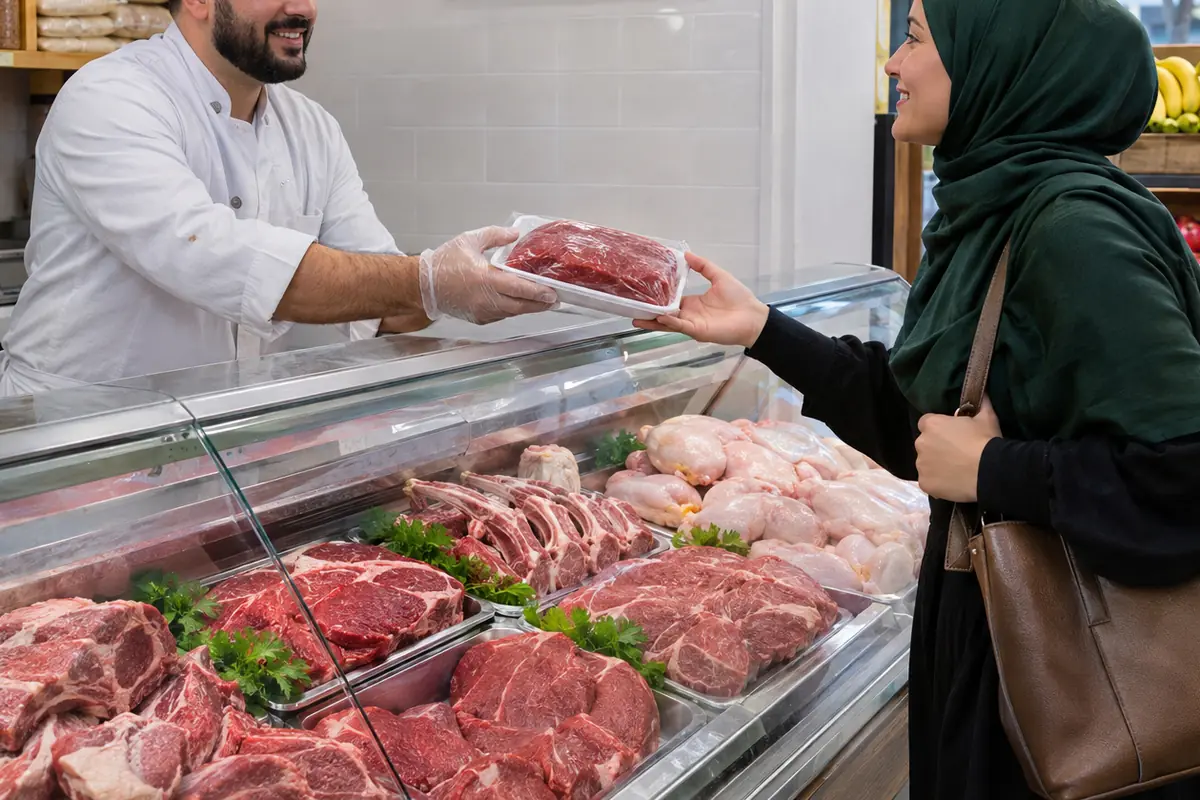
Halal supermarket products are foods and drinks sold in a store that meet Islamic dietary requirements, whether in a dedicated aisle or scattered across ordinary shelves. Certification, labels and ingredient lists are the main tools for judging them. A mark from a recognised body signals that someone has inspected the process, while the ingredient panel reveals additives, flavourings and animal-derived substances. Because no single global standard exists, shoppers combine several checks, trusting a mark only when they understand who issued it and what it actually covers.
Halal supermarket products and the logic of certification
Certification exists because most buyers cannot watch a supply chain themselves. An independent body audits slaughterhouses, factories or kitchens, reviews suppliers and issues a certificate, which the producer may then reproduce on packaging. The logo is shorthand for that audit.
The weight of a logo depends on the credibility of the body behind it. Established certifiers publish their standards, name inspectors and list approved products. Unknown marks without contact details deserve caution, however confident the packaging appears.
Certificates also have limits in time and scope. They are usually valid for a defined period and cover named products or sites, so a logo on an old pack or a similar-looking item from another factory may not carry the same assurance. Shoppers who notice a changed design or a new supplier can ask whether the certificate still applies.
Who certifies: the landscape of halal bodies
Certifiers vary by country and by tradition. Poultry and processed meat sold across the UK frequently carry the mark of the Halal Monitoring Committee or the Halal Food Authority. In North America, IFANCA and other organisations appear on packaged goods. Many Muslim-majority countries run national schemes backed by governments.
Differences between bodies are real. Some allow mechanical slaughter or pre-slaughter stunning under defined conditions, while others do not. Shoppers who follow a specific legal school or a community recommendation therefore choose products from certifiers whose rules they accept.
Mutual recognition between certifiers is far from universal. A product certified for one market may not satisfy buyers in another, which is why import labels sometimes cause disagreement even among practising families.
Reading the front and back of a pack
The front shows marketing claims and, sometimes, a logo. The back holds the details that matter: the full ingredient list, the allergen box, the name and address of the manufacturer and the certificate wording. Treating the front as an invitation to turn the pack over is a sound habit.
Wording on halal claims matters. A line such as "suitable for Muslims" is not the same as a certified mark, and a product made from halal ingredients is not automatically halal if shared equipment is used with unsuitable materials. Specific statements with a named certifier carry more weight.
Small print on allergen boxes often reveals useful clues. Mentions of milk, egg or fish show which animal sources are in play, while "may contain" statements indicate shared production lines. Though these notes target allergy sufferers, halal-conscious shoppers can read them as hints about how a factory operates.
Ingredient checks: gelatine, alcohol, enzymes and additives
Several ingredients cause recurring questions. Gelatine often comes from pork or beef bones and appears in sweets, yoghurts, capsules and desserts. Alcohol may be present in extracts, vanilla flavouring, sauces and some fermented items. Animal rennet is sometimes used in cheese, and certain colourings such as carmine derive from insects.
Additives labelled with E-numbers add another layer. Some, such as E441 or E120, can be animal-derived, while others have plant or synthetic origins. Reference tables published by consumer and community groups help decode them, though the manufacturer remains the final authority on sourcing.
Where the label says only "natural flavouring" or "emulsifier", the origin is unclear. Contacting the producer, or choosing a product with a clearer statement, resolves the uncertainty.
Medicines, vitamins and supplements form a separate field. Capsules frequently use gelatine, and some syrups contain alcohol, so buyers often prefer plant-based capsules or tablets and ask a pharmacist about alternatives. The same attention applies to sweets sold near the till, which are easy to pick up without reading.
Frozen, chilled and ambient aisles compared
Each aisle carries its own risks. Chilled and frozen products such as pies, ready meals and burgers contain meat, fat and stock, so certification of the meat and the finished product matters. In ambient aisles, the focus moves to biscuits, sweets, sauces and drinks, where gelatine, alcohol and flavourings are the usual suspects.
Dairy and bakery sections require attention to rennet, enzymes and glazes. Plain milk, butter and eggs seldom raise questions, whereas filled pastries, cheese slices and desserts often do.
Drinks deserve a short mention. Fruit juices, soft drinks and energy drinks usually pose few concerns, though flavourings and colourings can vary, while kombucha, malt beverages and some non-alcoholic imitations of wine or beer may hold traces of alcohol that certain shoppers prefer to avoid.
What a trustworthy supermarket does to help shoppers
A good retailer separates halal items clearly, keeps meat storage apart from other products and can explain where each line comes from. Staff know which certifier covers which brand and can produce documents when asked. Shelf edge labels are accurate and updated when suppliers change.
Some stores also publish supplier lists or statements on their websites, which helps shoppers verify claims before visiting. Quick answers to a polite question are a positive sign, while evasive responses suggest a shop may not have fully checked its sources.
Private-label ranges bring their own wrinkles. A supermarket's own brand may be made by several manufacturers over time, so the same product name can have different sources from one season to the next. Checking the pack each time, rather than trusting memory, is the safest course.
Common misunderstandings about halal labels
A frequent assumption is that vegetarian means halal. This is not always true, since vegetarian products may contain alcohol or flavourings made with alcohol. Equally, a product labelled as free from pork may still hold gelatine of other animal origin or be processed alongside unsuitable items.
Another confusion involves the phrase "halal friendly", which has no formal definition. It might mean that no obvious prohibited ingredients appear, or merely that the brand is popular with Muslim customers. Without a named certifier, such a phrase should prompt further questions rather than reassurance.
Social media posts and chain messages sometimes spread lists of supposedly approved or banned products without sources. Shoppers who rely on such lists risk acting on outdated or false information, and verifying with the manufacturer or certifier remains more reliable than forwarding a screenshot.
Building a personal checklist for the weekly shop
A simple routine saves time: spot the certification mark, read its name, scan the ingredients for the usual doubtful items, check the date, and keep a note of brands that have passed. Over several weeks the list becomes a reliable personal reference.
Photographing labels of products that pass inspection, or sharing verified lists within a family, avoids repeating the same research. When a producer changes a recipe, which happens more often than most customers expect, a quick recheck at the next purchase prevents surprises.
Consumer protection bodies explain the rules on food labelling and claims, and shoppers who suspect misleading statements can report them. That feedback helps retailers and regulators keep claims honest.
Teaching children the routine helps as well. Young family members who learn to look for the certifier name and to scan ingredients become confident shoppers, and many households make it a small weekly game before the trolley gets to the till.